Bhutan’s heritage arts become the frontline of cultural preservation as modernity dawns
What does the quest for economic progress mean for the Himalayan kingdom’s rich culture of traditional arts?

Bhutan today doesn’t look quite like the Bhutan of even just four years ago.
In monasteries, laminated QR codes for digital payments are displayed next to worn donation boxes. In Thimphu, the capital, there are solar panels on roofs, Chinese-made electric cars on roads, construction projects just paces apart – six storeys sprouting from the ground in humdrum blocks. Even the hand-painted road signs, once quippy rhymes and memorable alliterations, have become mundane: “No hurry, no worry” replaced with “Don’t look at your mobile phone while driving”.
How did the Land of the Thunder Dragon, a nation whose reputation for idyllic, down-to-earth, lo-tech living was built on its reclusion from the outside world, get here?
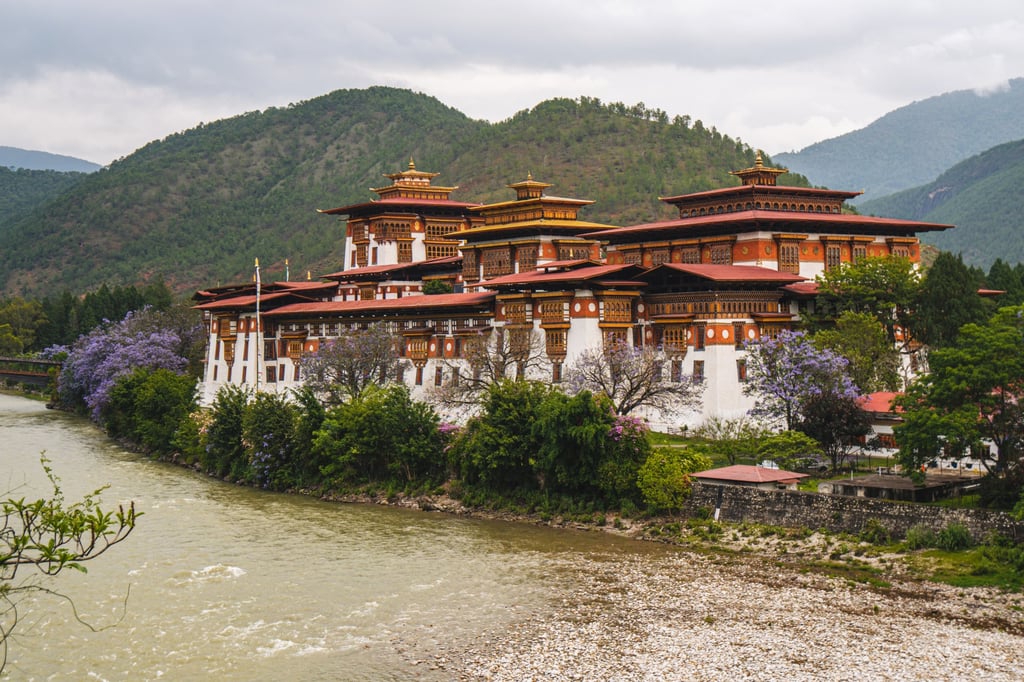
Since it emerged from the Covid-19 pandemic, Bhutan has launched, in quick succession, a slew of initiatives designed to bring the once-withdrawn kingdom into the 21st century – and the people of the 21st century into its mountainous reaches. From the biennial Snowman Race ultra-marathon and the restoration of the ancient Trans Bhutan Trail as a hiking attraction to the opening of the Bhutan Innovation Lab and even a reduction of its Sustainable Development Fee – the daily levy paid by travellers visiting the country – from US$200 to US$100 per night, Bhutan is embracing the new, the foreign and the lucrative.
In June, it hosted the inaugural Bhutan International Travel Mart, to bolster its position as an alluring getaway, but its biggest leap is still to come: the Gelephu Mindfulness City, a 2,600 sq km (1,000 square miles) special administrative region in which governing policies and business practices from around the world will be adopted and tested; those that prove successful will eventually be rolled out across the country. Gelephu International Airport, handling up to 123 flights daily, is slated to open in 2029.
All this forward momentum raises the question: how does Bhutan balance the realities of progress with the preservation of its traditions, arguably the one quality that makes this destination stand out for travellers? One possible solution: double down on the foundations of your unique culture – with a twist.
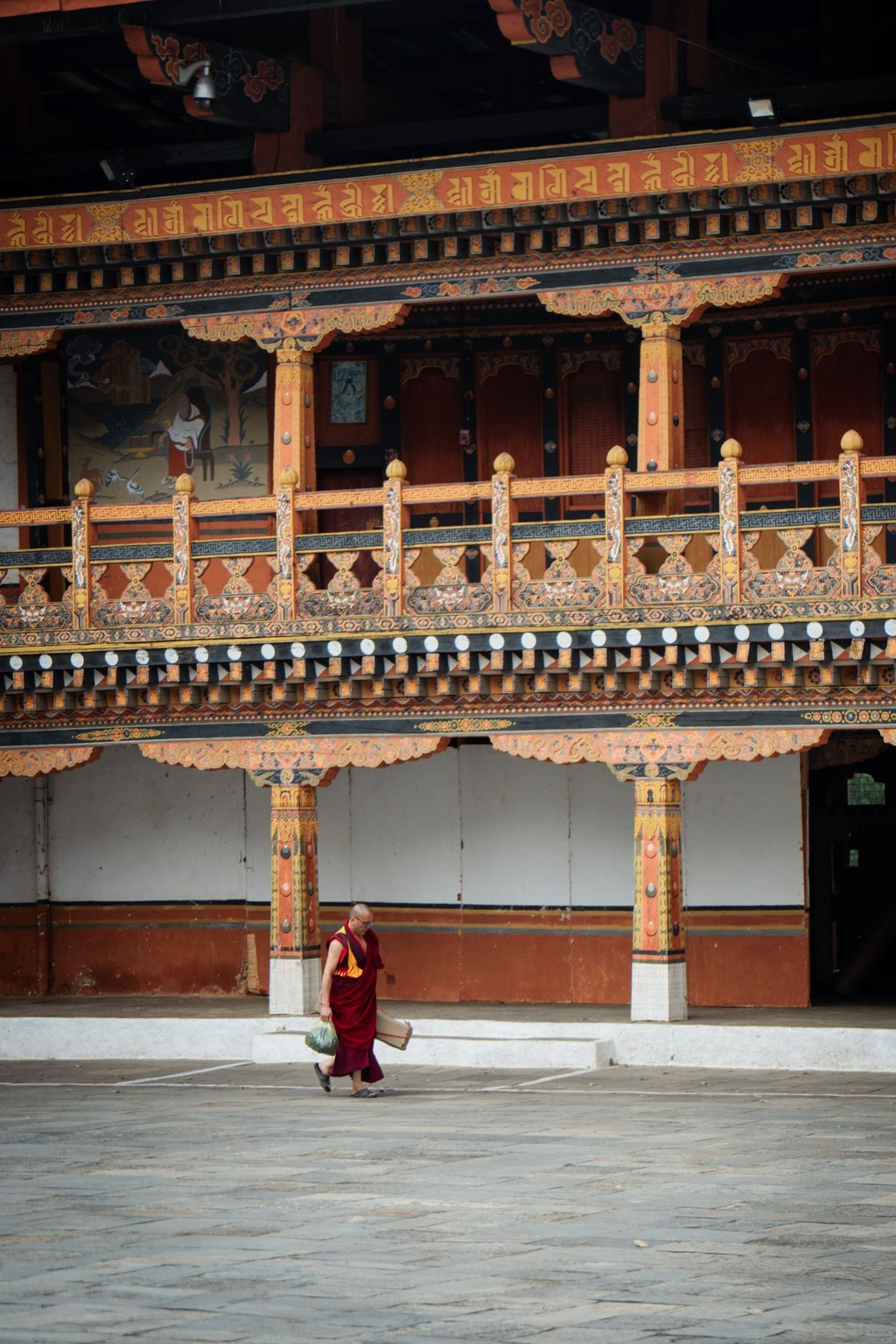
On a balmy day in late May, Kinley Tshering sits cross-legged on the cement porch of the Exotic Art Gallery, in a village on the edge of Punakha district, a short stroll from famed hilltop fertility temple Chimi Lhakhang.