Exhibition sheds new light on The Little Prince and its author, Antoine de Saint-Exupéry
For the 80th anniversary of its publication in France, an exhibition about the book and its aristocratic author adds new layers to the classic tale and the remarkable man behind it

Some books stay with us for a lifetime, such as Antoine de Saint-Exupéry’s beloved tale of The Little Prince. If you read it as a child, you’ll remember a whimsical adventure to different planets. If you return to it as an adolescent, you’ll find meaning in it about the relationships you’ve “tamed” in your life. If you rediscover it as a grown-up, you’ll unearth powerful allegories and lessons about love and loss.
The book was published in the United States in 1943, but because Saint-Exupéry’s work was banned under the Vichy regime, it did not get released in France until 1946. And now, to commemorate this 80th anniversary, Alliance Française de Hong Kong has teamed up with the University of Hong Kong for an exhibition about the aristocratic French writer, poet, journalist and aviator.
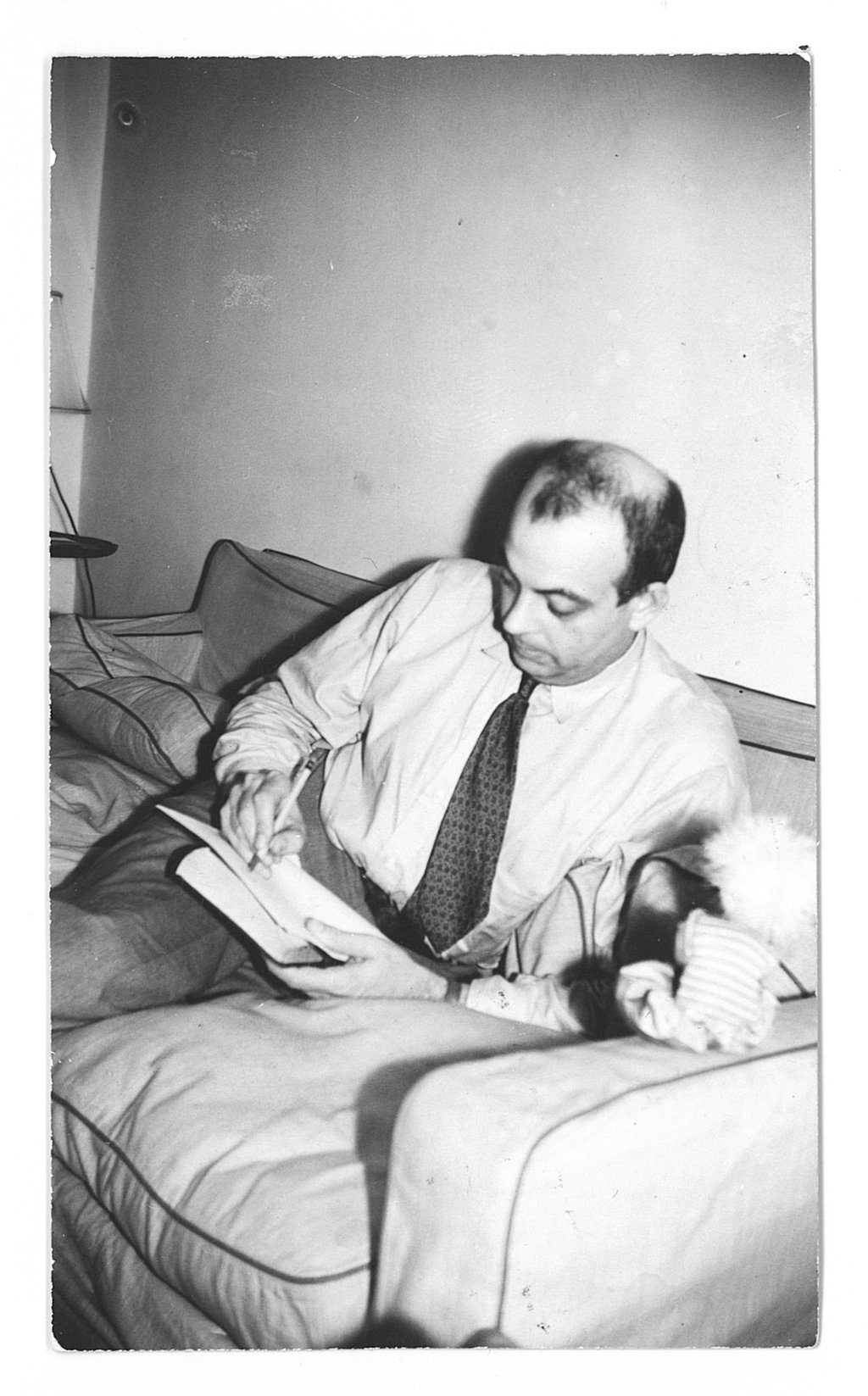
The showcase is divided into four thematic journeys through Saint-Exupéry’s colourful, if short, life, one with as much adventure as his multigenerational tale.
The first chapter, Overview, features rare photographs and letters to family and friends. Saint-Exupéry was known to have “poured out his soul in copious letters”, according to biographer Paul Webster, particularly to his Salvadorean wife, Consuelo (née Suncín de Sandoval), who is immortalised as The Rose in The Little Prince. Fun fact: a memoir she’d written after his disappearance in 1944, at the age of 44, was discovered in an attic after her death in 1979. It was published in 2000 as The Tale of the Rose: The Love Story Behind The Little Prince.
The next chapter, The Explorer, contains letters, photos and maps from Saint-Exupéry’s pioneering flights, having started his aviating career as a commercial pilot, working airmail routes across Europe, Africa and South America. His written works drew heavily on aviation and exploration, such as the short story The Aviator (1926), novels Southern Mail (1929) and Night Flight (1931) and the memoir Wind, Sand and Stars (1939).
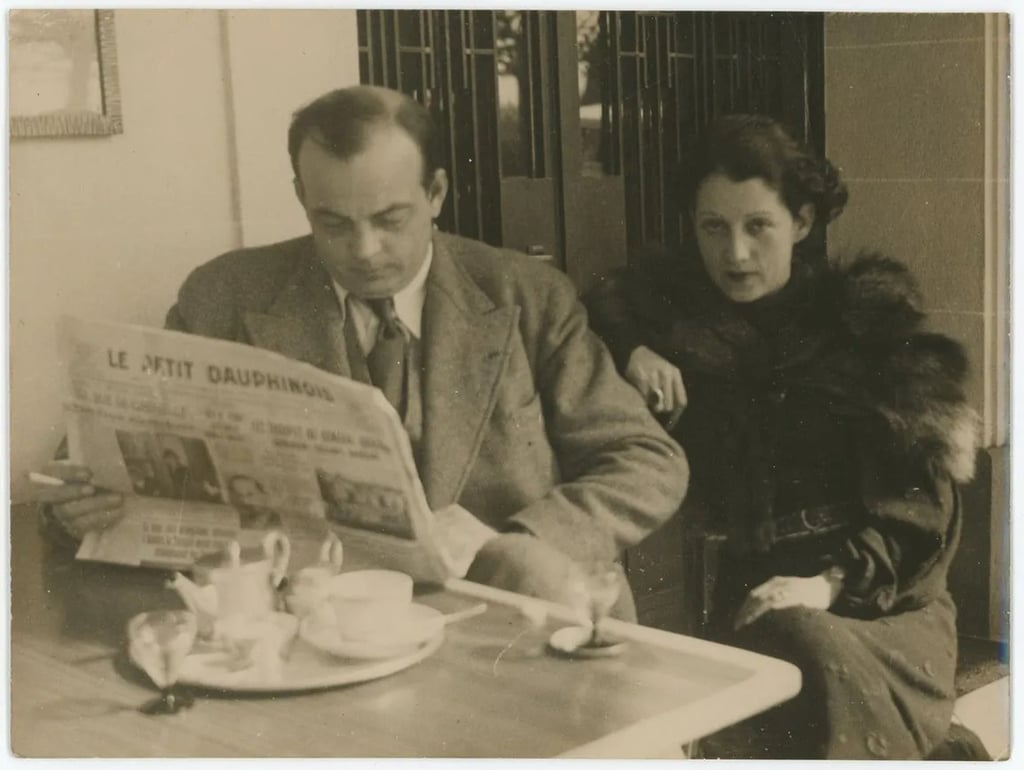
The third chapter, WWII Hero, features military objects and reconnaissance photos. Saint-Exupéry was with the French Air Force during World War II, flying reconnaissance missions until France’s armistice with Germany in 1940. After being demobilised, from 1941 to 1943, he lived in exile in the United States. Although it was a frustrating period for him personally, it was a fruitful time for his writing.