Mujun Planet: one man’s quest to revive Japan’s artisanal legacy
So devoted was Japanese designer Shinya Kobayashi to preserving his country’s craft traditions that he bought an entire mountain to ensure their survival

“There’s a snake.”
Shinya Kobayashi points his phone camera at a sleek, black reptile, creating a trinity of S-shapes in the dirt, before calmly walking on. It is a remarkably cheerful day, with blue skies overhead and dense, emerald forest all around.
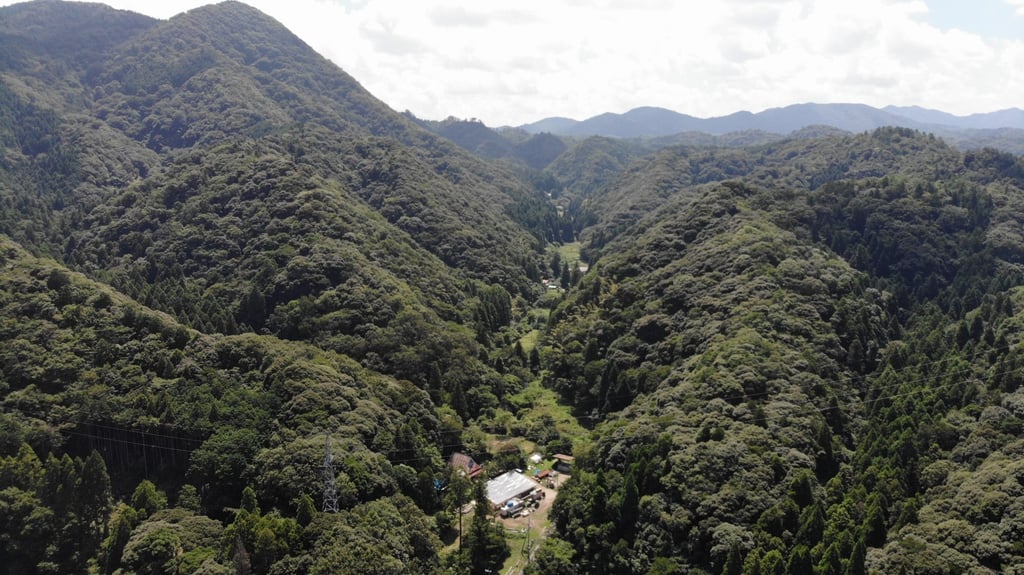
The 39-year-old designer, artist and father is taking me on a virtual tour of his own mountain, in Japan’s Shimane prefecture, along Honshu island’s western fringe. Nearby are a recently built blacksmith’s forge, sawmill, woodworking workshop, charcoal kilns and a renovated 200-year-old farmhouse, currently serving as storage space.
Mujun Planet, as Kobayashi has named the mountain and its tiny “village”, has been six years in the making. While the hardware might seem modest, he hopes its impact on the neighbouring town of Yunotsu, and the broader realm of Japanese craftsmanship, will be profound.
Metalworking is his focus for now. Blades from the forge made into knives are sold in Japan and around the world through Coelacanth Shokudo, his design company that, among other activities, manages the wholesale distribution of artisanal products.
All this and more are chronicled in the Hyogo native’s recently released, self-published book, Why Did Mujun’s Shinya Kobayashi Buy a Mountain?