China’s survival strategies written in flavours
From Sichuan’s humidity to the Dongbei deep freeze, Chinese food isn’t about taste, it’s about not dying. A journey through five cuisines that reveals how geography shaped what a billion people eat.

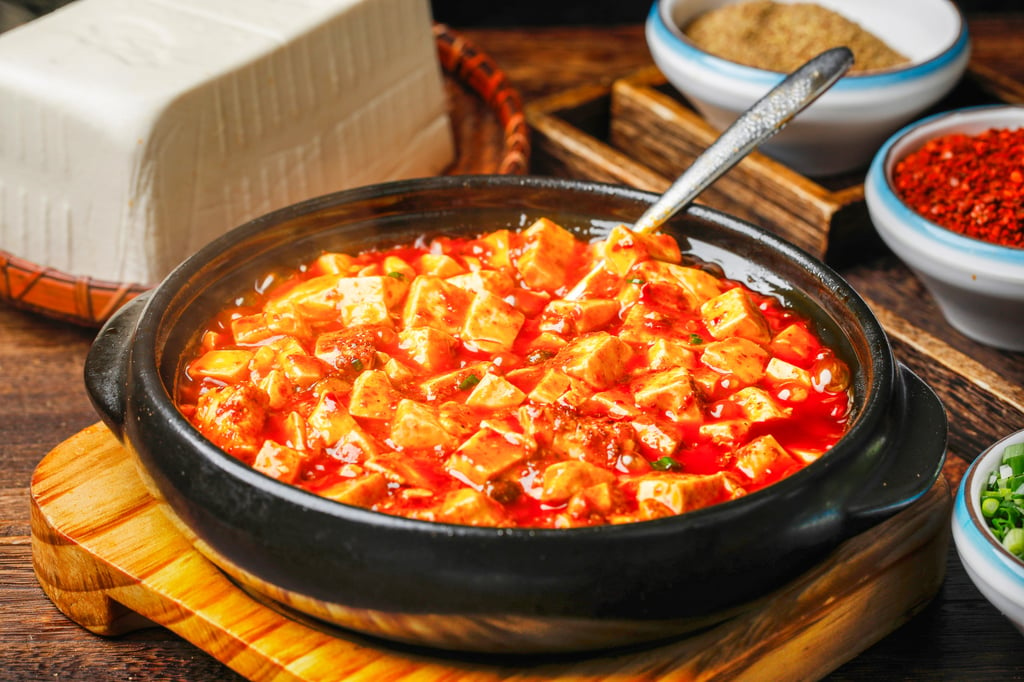
The first time I ate proper Sichuan food in Chengdu, my mouth went numb. Not spicy-numb. Anaesthetised numb, like a dentist had been at my tongue with lignocaine. The waiter saw my face and laughed. “Málà,” he said. Numbing spicy: the specific sensation of Sichuan peppercorn meeting chilli oil, a flavour combination so particular to this basin-locked province that there’s no English word for it.
I look Chinese and I should appreciate this, except I am not quite. What I didn’t understand then, eating my way through a bowl of mapo tofu while my face leaked involuntary tears, was that I wasn’t experiencing cuisine. I was experiencing climate adaptation disguised as dinner.
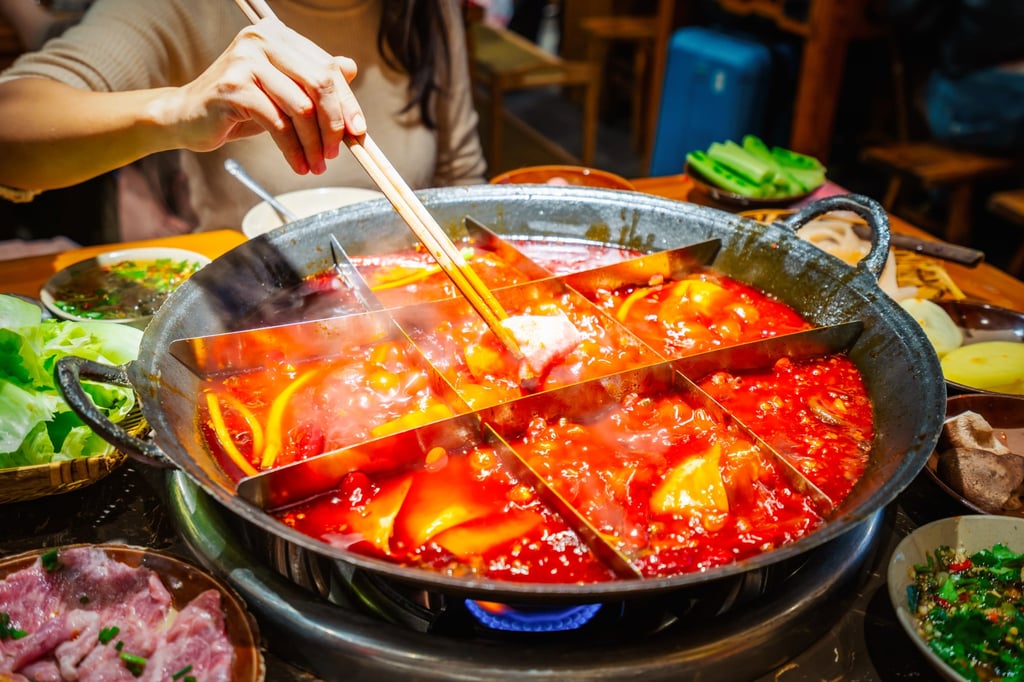
Sichuan is a basin. Humid, isolated, subtropical. Before refrigeration, before modern preservation, the question wasn’t “what tastes good?” The question was “how do we stop food rotting in 90 per cent humidity while we’re eating it?” The answer: you overwhelm. You use so much chilli and peppercorn that bacteria doesn’t stand a chance. You pickle everything that can be pickled. You dry what can be dried. You ferment what’s left. The intensity isn’t indulgence, it’s necessity turned into culture over 2,000 years.
This is what Chinese food actually is, once you strip away the romanticisation and the “gastroporn” and the idea that cuisine is primarily about pleasure. It’s a historical record of what people needed to survive, written in flavour.
The basin: Sichuan’s humidity problem
Sichuan sits in a depression surrounded by mountains, with the Tibetan Plateau to the west, the Qinling range to the north. Moisture gets trapped. The air stays thick. In summer, it’s a greenhouse. In winter, it’s a damp cold that seeps into your bones and won’t leave. This creates a preservation crisis that coastal and northern China don’t face. Food spoils faster, mould is constant, storage is a battle against biology. So, Sichuan cooking became aggressive: doubanjiang (fermented broad-bean paste) by the handful, and hotpot, where everything gets boiled in chilli oil hot enough to sterilise on contact.