Discover India’s ‘last village’: a hub of Balti culture on the Pakistan border
Cut off from the outside world for decades, the Baltis of India are wooing tourists with their unique traditions and quirky, geopolitically complex history

An inky darkness blankets the road as I step out of the car. I blink to get my bearings, the silhouettes of trees slowly forming beneath a startling canopy of stars.
“Sorry to make you walk in the dark, but this is a shortcut,” says Rashidullah Khan, our companion and guide for the evening. He leads the way up through the trees, our phone torches illuminating pebbled, muddy slopes.
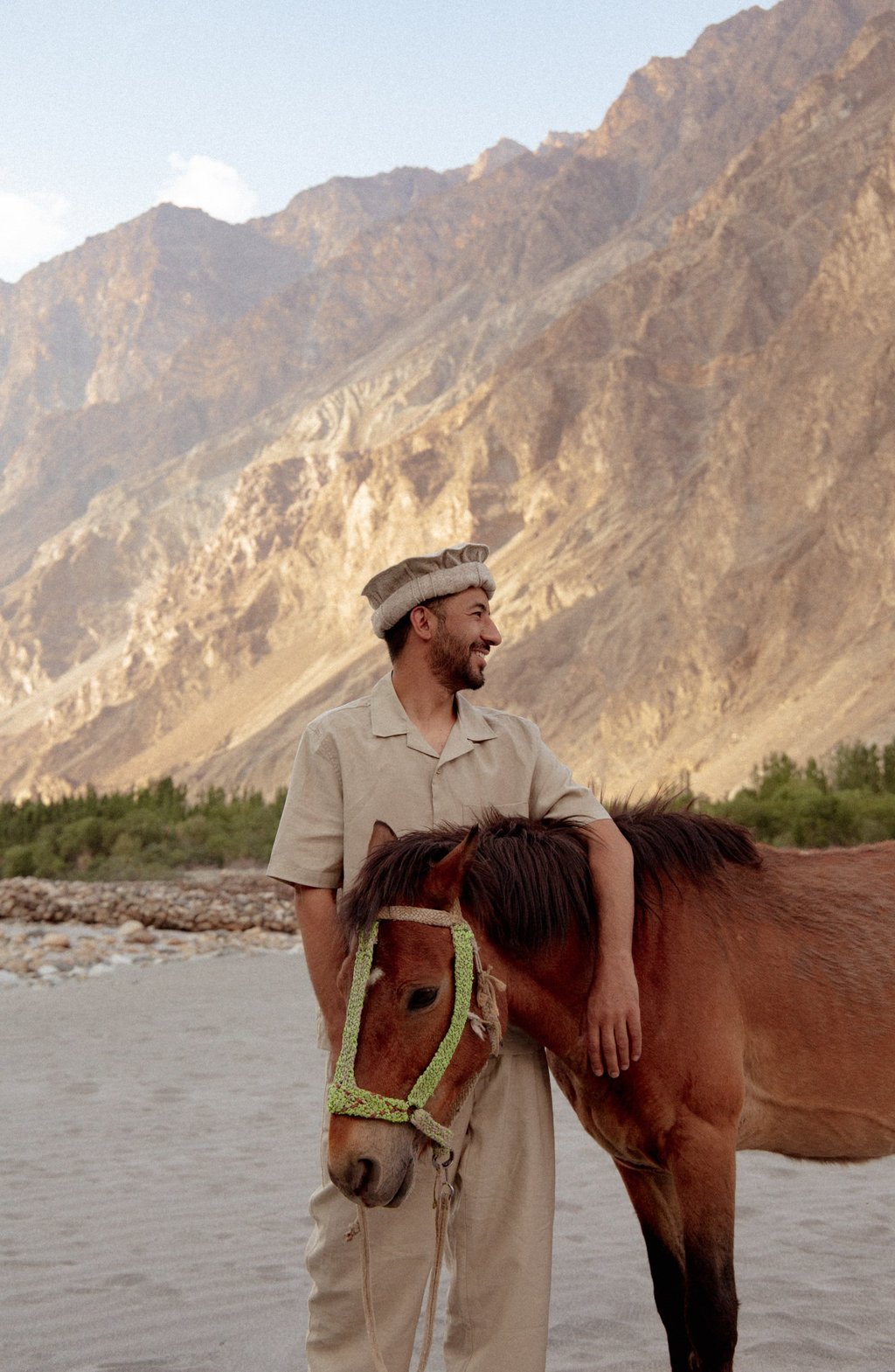
After 10 minutes, we reach a narrow lane flanked by stone walls punctuated with wooden doors. A sculpture of a large bird perches above one doorway, an unassuming entrance to what a sign identifies as the Yabgo Palace Turtuk. Inside the central courtyard of the wooden building, intricately carved upper balconies appear in the candlelight, plush bolster cushions and low tables clustered below: the setting for dinner with Turtuk’s king.
I am in the “last village” of northern India, a few kilometres from the Pakistan border. Living in a corner of the Ladakh desert – India’s northernmost region, known for its stark and arresting landscape – the villagers of Turtuk, Thang, Tyakshi and Chalunka consider themselves part of Baltistan, but flipped nationality overnight, after the 1971 Indo-Pakistani war. Families were split as the now Indian villages were separated from the larger Balti population on the other side of the border.
Until 2010, this sensitive area was closed to outsiders. Now, through tourism, residents are gently asserting their Balti identity, eager to share their heritage with the wider world.
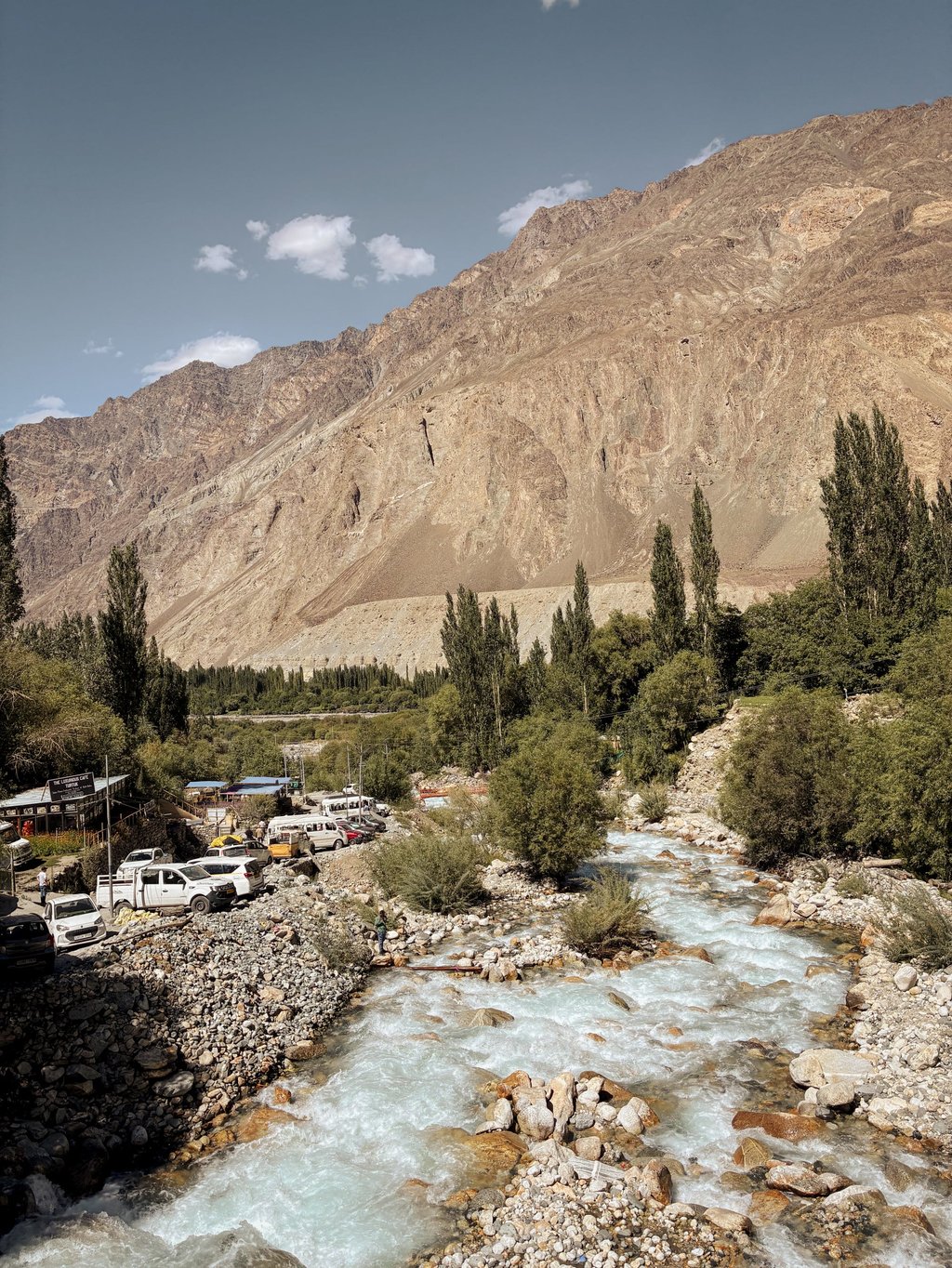
Turtuk is deliciously lush, rich with apple and apricot orchards and green buckwheat fields, cut through by the icy blue Shyok River. At around 3,000 metres (9,843 feet), it sits at a relatively low elevation within Ladakh, but during the first few days anywhere in the area, the altitude makes activity strenuous.