Have architects built boredom into our streetscapes, and can it harm our health?
Cookie-cutter buildings are efficient, but our brains evolved for variety, not endless repetition, and that mismatch can stress us out

“Beauty is only skin deep.”
That proverb has championed inner qualities so successfully that outward appearance is often dismissed as superficial.
In architecture, that assumption is harder to sustain. Around the world, increasingly loud calls are being made for an end to buildings deemed boring, if not outright ugly, on the outside. But what does that mean? Who decides? And why should we care?
“Remind me,” I asked her, “what did your apartment complex look like?”
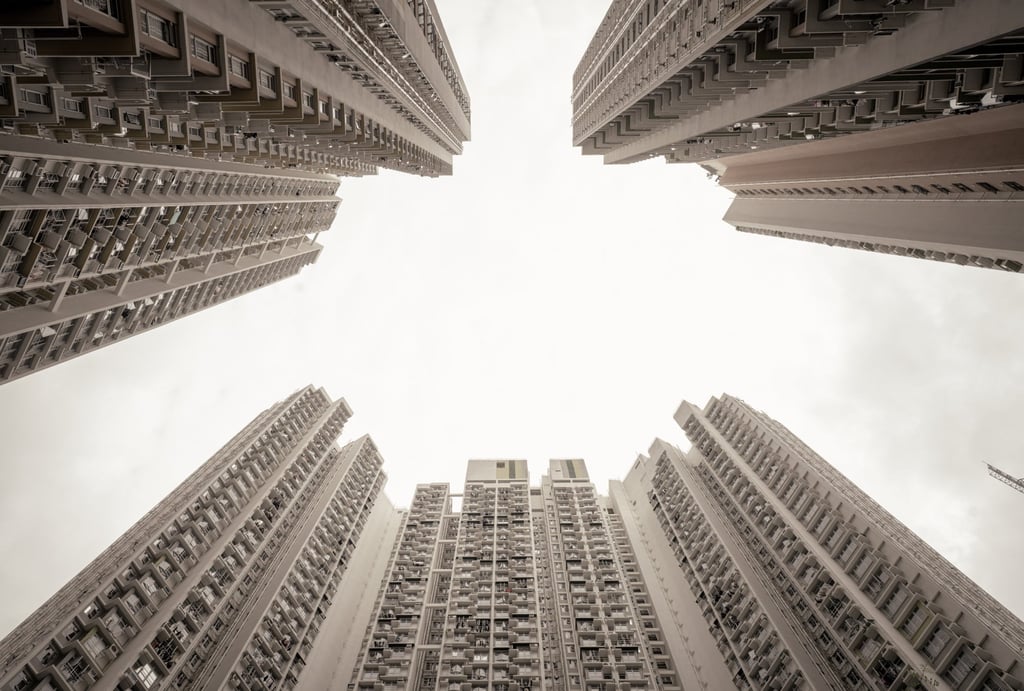
I was trying to picture the orderly, middle-class private residential development I’d walked past countless times on my way to meet her or shop at Cityplaza. It bothered me that I remembered most of the mall’s outlets, some public outdoor areas, even the quickest route to a popular Thai restaurant – but little else.