Norman Foster’s hi-tech HSBC masterpiece turns 40
The architect whose creation defied convention and the photographer who shot it share their thoughts on an inside-out marvel

Forty years ago, a building rose above Central district that would rewrite the rules of architecture. The Hongkong and Shanghai Banking Corporation (HSBC) Main Building – a tower so radical in its conception that it made every high‑rise built before it look timid – remains as startling today as the day it opened. To mark the anniversary, we tell its story in two voices: those of architect Norman Foster, who, as he returns to the city, reflects on the inspiration behind the building that defined his career; and Ian Lambot, the photographer who was there as it rose from the ground.
When Norman Foster explains the thinking behind the HSBC Main Building, he uses a word you don’t usually find in architectural manifestos: “stuff”. He means everything typically crammed into a high-rise core – circulation, structure, bathrooms and mechanical equipment. By pushing all that to the edges he clears the way for something seminal: flexible, light-filled floors with uninterrupted views. The result is what Spanish architecture critic Luis Fernández-Galiano would categorise as a building of fully exposed “bones”.
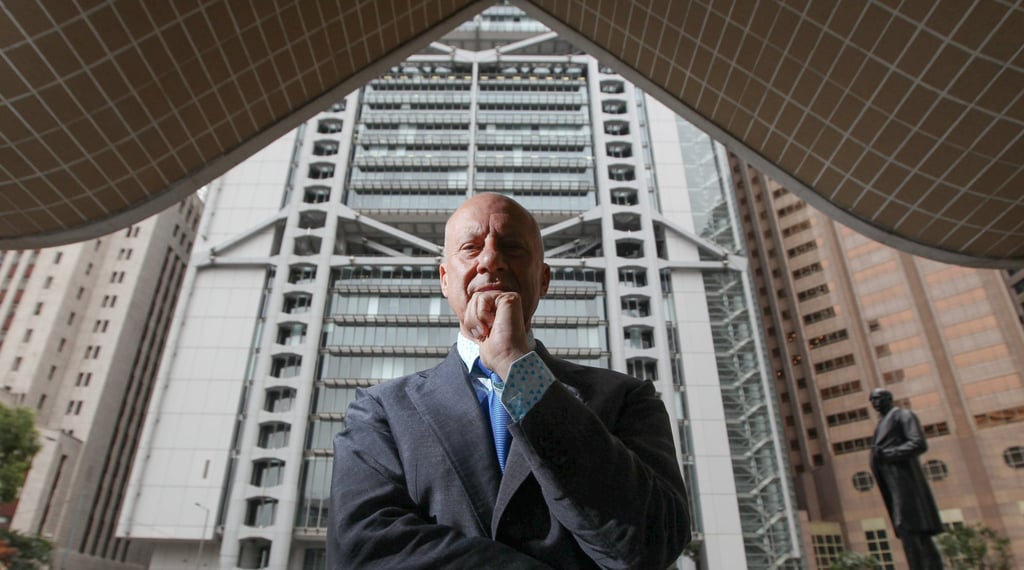
Constructed as the Hongkong and Shanghai Banking Corporation’s fourth-generation global headquarters, which it remained until 1993, the building was the avant-garde of what commentators called “hi-tech architecture”. It is still the building with which Foster is perhaps most closely associated in the public consciousness and helped bestow on him the lofty titles he would later receive: Sir, then Lord. But honorifics – and the 1999 Pritzker Prize – were hardly on the agenda when the bank was just a set of competition sketches and his company had never built beyond three storeys.
“In 1979, I came to do what would be the tallest tower in the city,” he tells PostMag. “During the competition, I wrote, ‘It’s not about being the tallest’ and arguably that remains the case – although the city’s vertical scale has changed.”
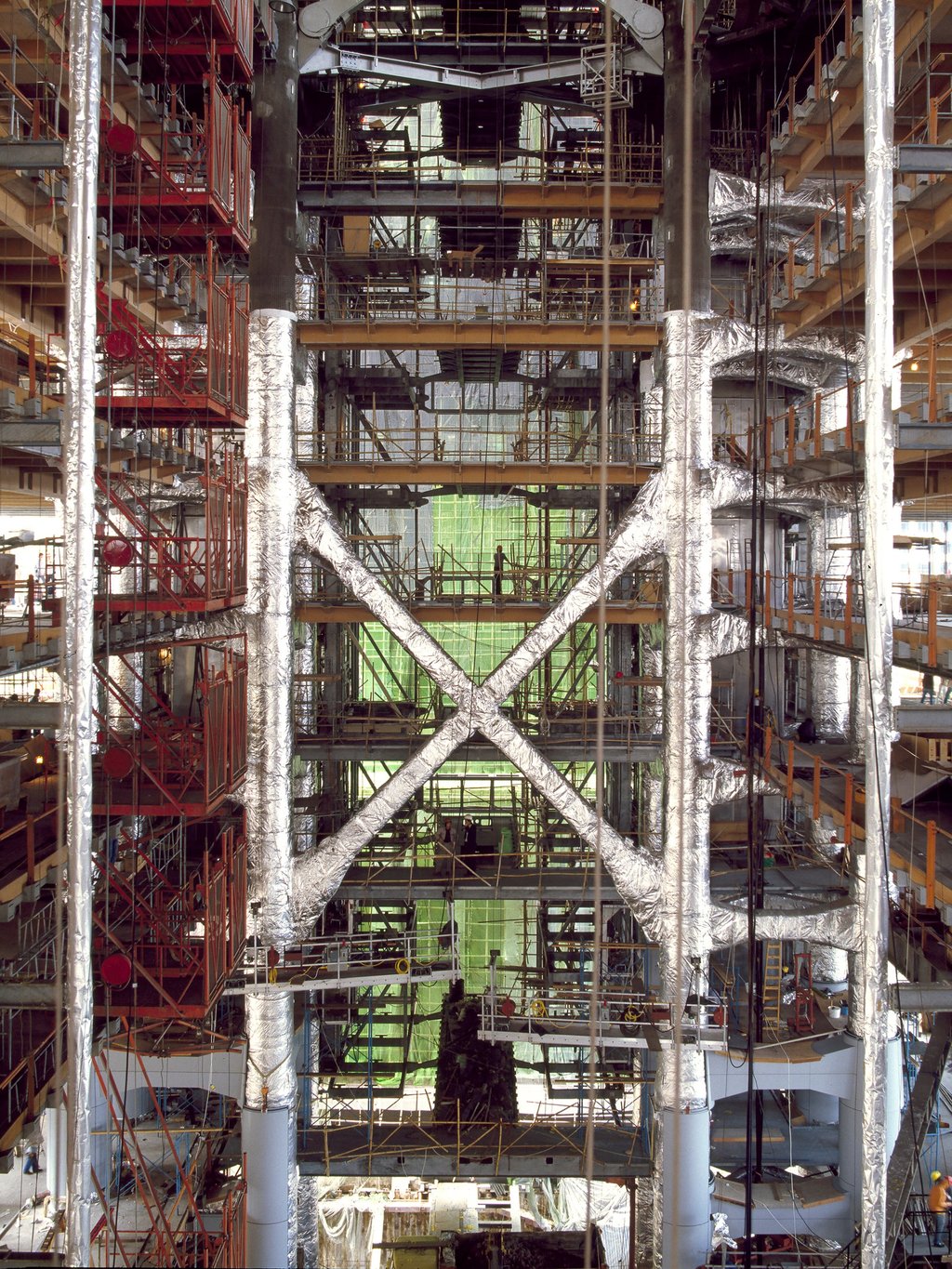
Unlike other competition entrants, Foster and his team remained, to familiarise themselves with Hong Kong, its banking practices and the people for whom they would be building. The impressions garnered then have stayed with him. “I am always impressed by Hong Kong’s incredible energy, which captured our imagination during that first visit,” he says. “Its essence is unchanged – the streets, buildings, movement, signs and shopfronts, the everyday life of the working population, the city’s smells and flavours, its climate, density, escapes, shrines, landscapes, spirit – all the things you can measure and everything that cannot be quantified. These are the characteristics – the DNA – that make Hong Kong so special and draw me back each time.”
The HSBC brief – “the best bank building in the world” – pushed Foster Associates, as the firm was then called, to overturn the “central core concept” that had governed high-rise office-building design for a century, shifting the steel suspension structure to the perimeter and liberating the interior.