Why yakitori chef Yoshiteru Ikegawa treats grilling like an endurance sport
The chef behind Tokyo’s Torishiki brings his gospel of succulent skewers, steady discipline and generous mentorship to Torikaze in Hong Kong

For a full year, he was forbidden to touch even a single piece of chicken. Yoshiteru Ikegawa, the yakitori master of the Michelin-starred Torishiki in Tokyo, spent his apprenticeship mopping floors, running errands and peeking over the shoulder of his mentor, Yoshito Inomata, a “Karate Kid” in the world of charcoal and skewers. It was not until his fourth year that he was finally allowed at the grill.
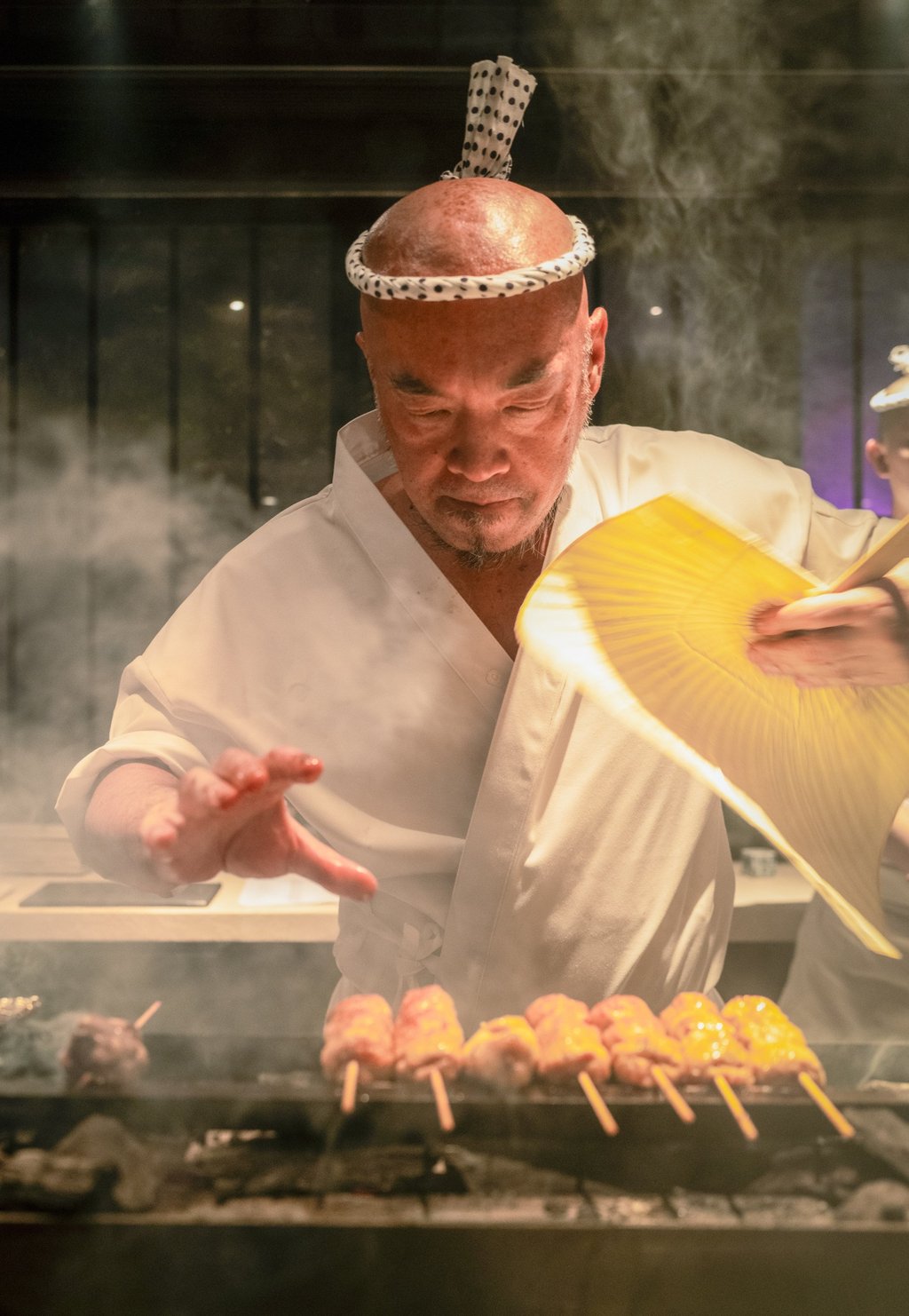
Ikegawa has come a long way from his former life as a salaryman, a path he abandoned at the age of 27. Today, in more than a dozen of his restaurants around the world – including Torien in New York and his newly opened Torikaze in Hong Kong – the 53-year-old moves with the disciplined grace of a performer. Each of his movements is part of a carefully timed dance before the fiery altar of Kishu binchotan. The lessons from the past have crystallised into a lifelong philosophy he calls Yakitori-do, the “way of yakitori”, an endless pursuit defined not by Michelin stars, but by a more profound goal: creating a moment so singular it makes one yearn to experience it “at least once in a lifetime”.
For Ikegawa, the mind, technique and physical senses form the trinity of Yakitori-do. “I use them to understand the ‘mood’ of the chicken,” Ikegawa laughs, “as well as observing the conditions of the binchotan and my customers’ expressions.” He notices the tiniest differences from day to day: positioning of utensils, humidity in the air. “Many people see making yakitori as repetitive,” he says. “What they don’t understand is that to consistently maintain a high standard every day is the hardest to achieve.”
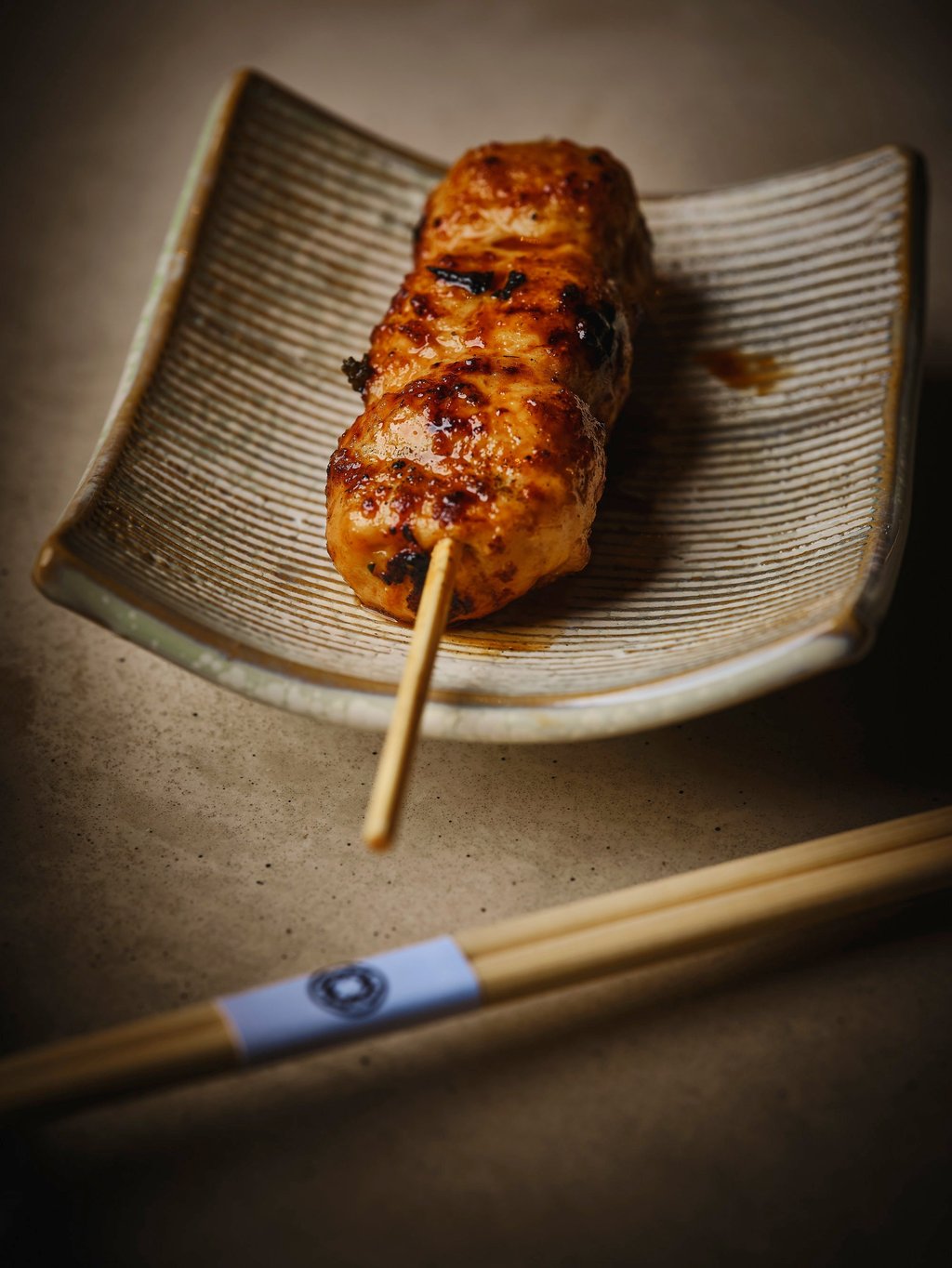
This challenge is as much physical as it is mental. A yakitori chef must endure long, stationary stands in front of blistering heat. “Say, all 16 seats are filled at the restaurant today and each customer consumes 10 skewers. You can do the math,” he says, outlining a nightly marathon of grilling and service. To prepare his body, Ikegawa lives like an athlete, with a strict daily regimen of squats, push-ups and kickboxing to fortify the lower body, which must remain steadfast for hours.