I WAS BORN IN a small city in the north of Mozambique called Nampula in 1962. My parents were living in Mozambique. My father was a soldier and the capital was called Lourenco Marques (present-day Maputo). It was, of course, a colony of Portugal. We moved to Portugal when I was four. My father became a merchant and he travelled a lot, so I seldom saw him. I stayed with my grandparents in Porto and then lived with my mother again in Lisbon a few years later. By then, she was separated from my father and had remarried. My stepfather was an electrical engineer and he loved Mozambique. Right before the revolution in Portugal, in April 1974, he was invited to go back to Mozambique to work for the electrical company there, so we stayed there for more than two years. My memories of Mozambique are from that time, when I was around 13 years old. I was in a state school and the curriculum was in Portuguese and almost the same as in Portugal, with a few adaptations mostly about the geography in Mozambique. Those were two very interesting years. I was part of a basketball team that was touring Mozambique and I ended up in Nampula on the very same day as Mozambican independence (June 25, 1975). So, I spent midnight at a big gathering to celebrate the birth of a new country.
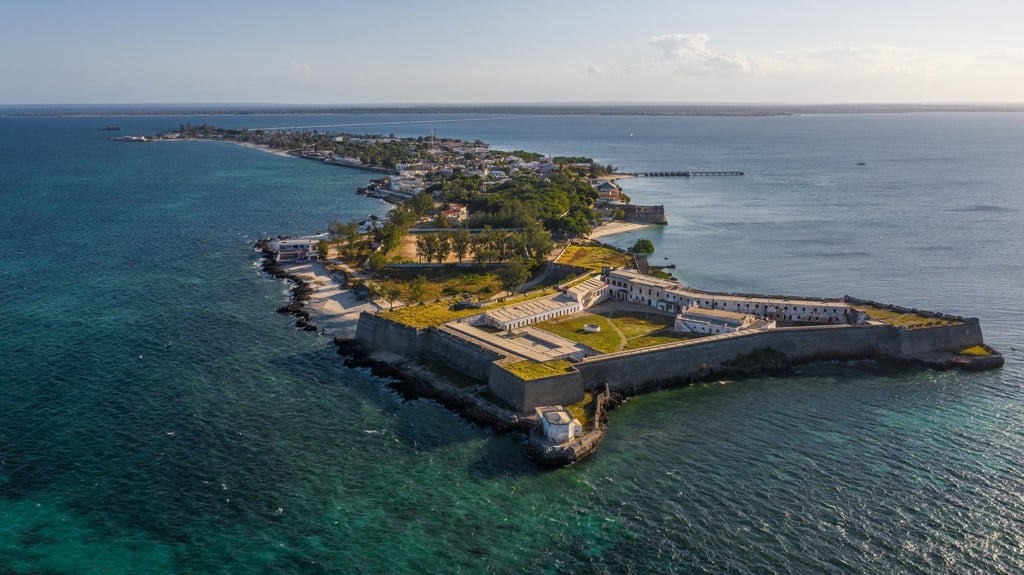
An island in Nampula, the Mozambican province where Ricardo Pinto was born. Photo: Shutterstock
I MOVED BACK TO Porto in November 1975 and then to Lisbon when my parents returned from Mozambique. It had been wonderful living in Mozambique with all my friends there. Porto, by comparison, was a very grey city with very cold weather, but as a kid you adapt fast. Soon after, my stepfather was invited to go to Macau and we followed him there. He worked at CEM, which is the Companhia de Electricidade de Macau (the Macau electricity company), until 1981. During this time, I had been studying in Portugal, but I went to Macau for the last year of school before I was due to go to university. I was planning to stay there just for one year but then in 1979, early 1980, I started to work at Rádio Macau. I had two roles: I assisted a local DJ who had an evening radio programme and I was the first to arrive in the morning, to prepare the short news bulletin at 7am.
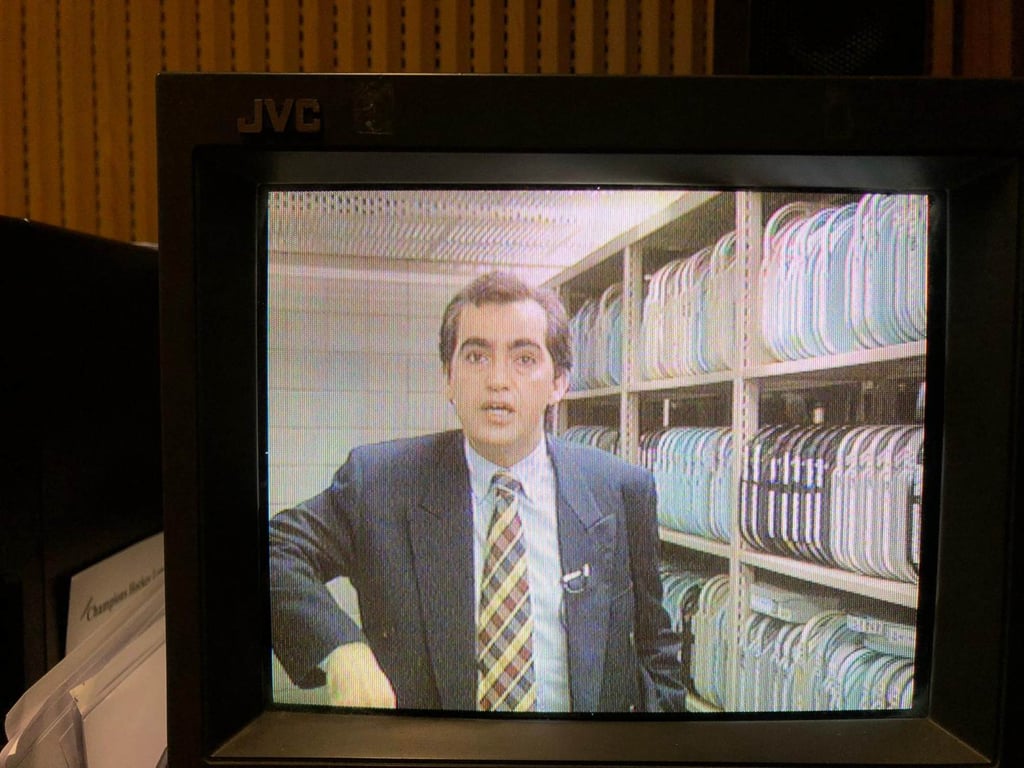
Ricardo Pinto presents a programme on Macau TV in 1996. Photo: courtesy Ricardo Pinto
AT THAT TIME, there were a lot of reports about the Vietnamese refugees who were coming in daily on small boats (after the Vietnam war ended in 1975). Some of them sank and a lot of people drowned. Macau had some camps where they would stay. (Portuguese-Macanese Catholic priest) Father Lancelote Rodrigues helped people who had fled war, first those from mainland China and then those from Vietnam. So, the news was the refugees and local politics, the process of slow democratisation.
IN 1984, I TOOK the Trans-Siberian train with friends and it took almost two months to get to Portugal. I started to work with a prestigious Portuguese journalist, Adriano Cerqueira, who had a magazine, Auto Mundo, about motorsports and did the commentary for Formula One races. He would cover the Macau Grand Prix every year. I also worked for the Autosport newspaper. I ended up being part of a team that founded a motorsports programme on Portuguese television and I would travel around Europe doing race coverage. And I was studying law at the same time. It was very tiring.
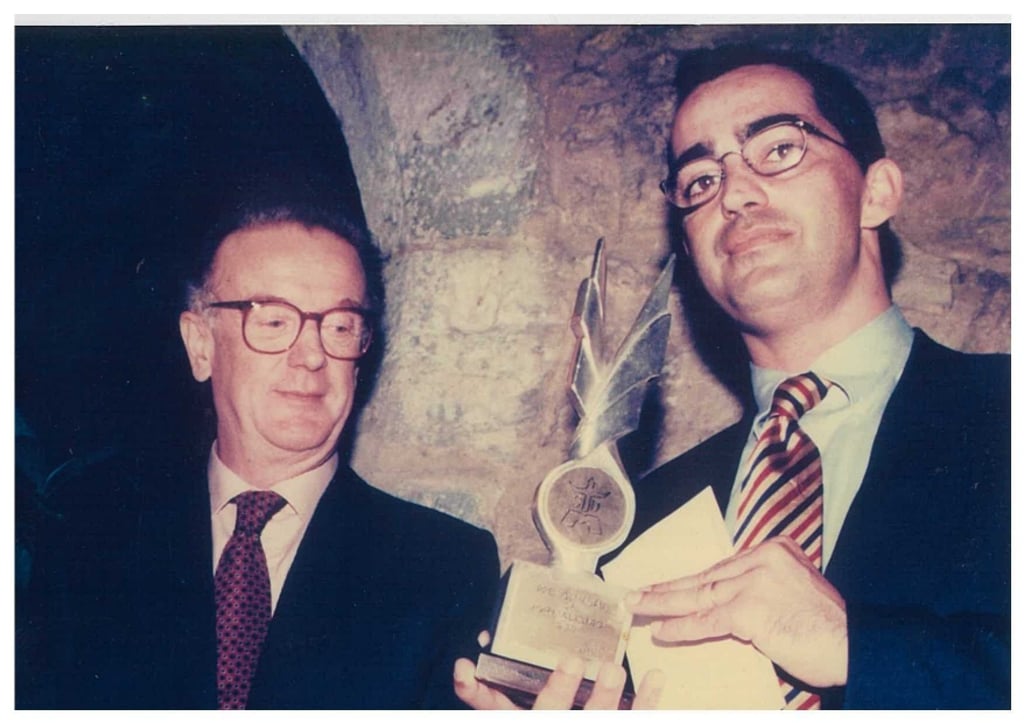
Ricardo Pinto (right) with the Portuguese president, Jorge Sampaio, after the journalist won the Macau Prize for Reporting in 1996. Photo: courtesy Ricardo Pinto
I RETURNED TO Macau when a job vacancy came up at Macau TV, in 1990. Macau TV (TDM – Teledifusão de Macau) had been launched in 1984. I later gave up my further law studies after working as a journalist for many years and having a family. I don’t regret staying with journalism at all. I loved returning to Macau. There was a whole political transition process ahead of the handover in 1999, which was interesting to follow. And there was the crisis with the triads and all that, and the “trial of the century” involving Broken Tooth (former leader of the Macau branch of the 14K triad, Wan Kuok-koi). The triads were at war; there were so many killings.
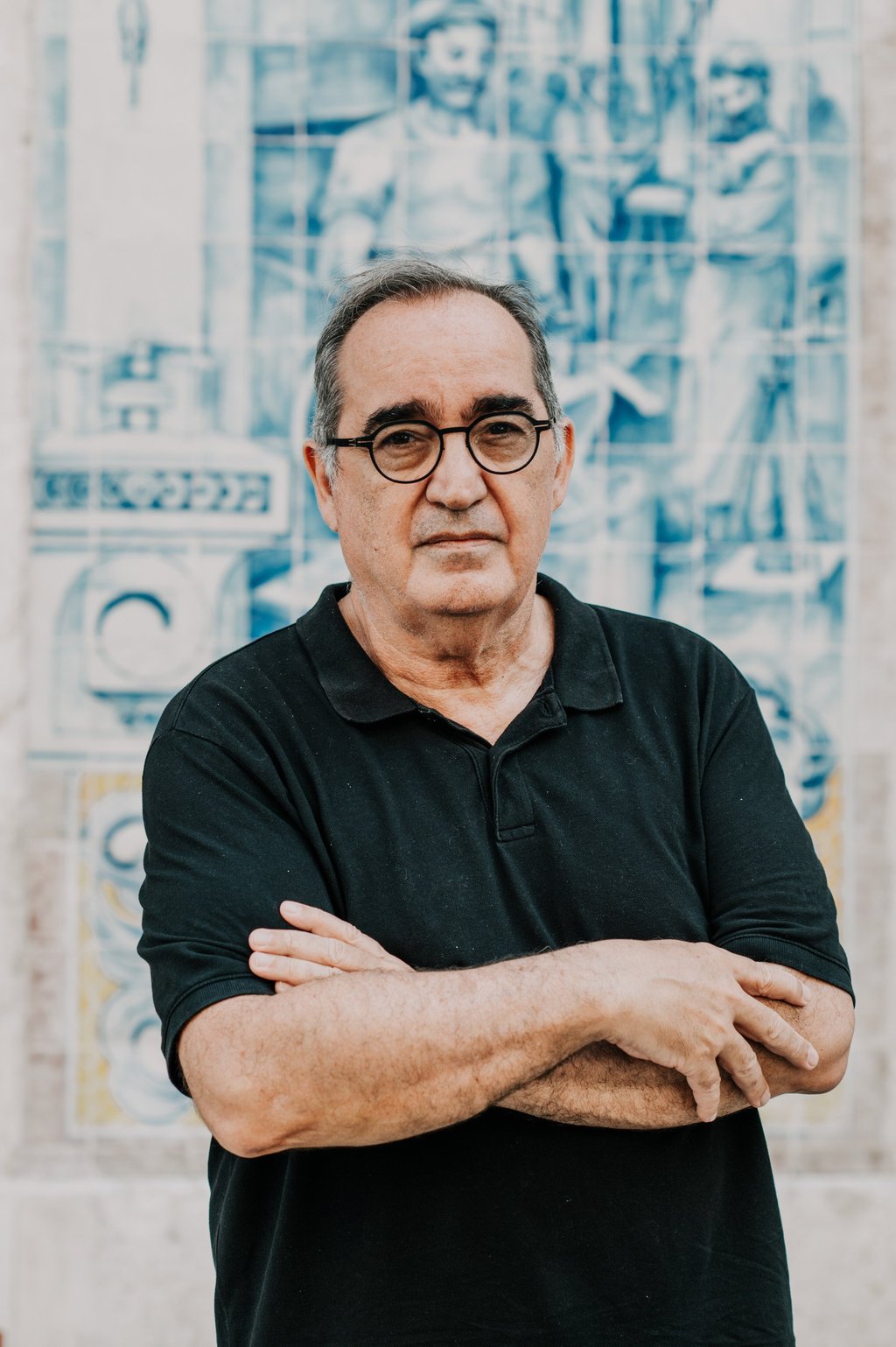
Ricardo Pinto in Lisbon, Portugal. Photo: Carlos Pimentel
I LEFT MACAU TV in late 1997 and became director of the Ponto Final newspaper in 1998. Those two years, 1998 and 1999, were the most intense period of my journalism career, being the last years of the Portuguese administration. There were huge discussions between the Portuguese and the Chinese on the future of Macau and triad-related crime. We had a weekly newspaper and only three people working there. Then one of them left and it was just me and the current owner of the Macau Business (magazine), Paulo Azevedo. But we loved what we were doing. Then that was it. Suddenly, all the guys that we were covering, talking to and so on in our daily work, just went back to Portugal in a single plane. The first year was a little grey; we had our salaries cut. But things improved when it was decided that the casino industry would be open to international bidding.
Advertisement
IN 2007, I LAUNCHED Macau Closer magazine, which is about lifestyle, cultural events and current affairs. In the very first issue, we had what I think was maybe the last big interview by Stanley Ho and also an interview with Gong Li. So we had to decide who should be on the cover. Of course, Gong Li would have made a much more glamorous and beautiful cover, but we decided to go with Stanley Ho because he was actually replying to questions about the competition between the local historical gambling operators and the American guys, and their different models for running the casinos. He also talked about his life, what happened to him during World War II. I was always impressed by him. I mean, a guy in that kind of position would make enemies for sure, but he was someone who really shaped Macau.
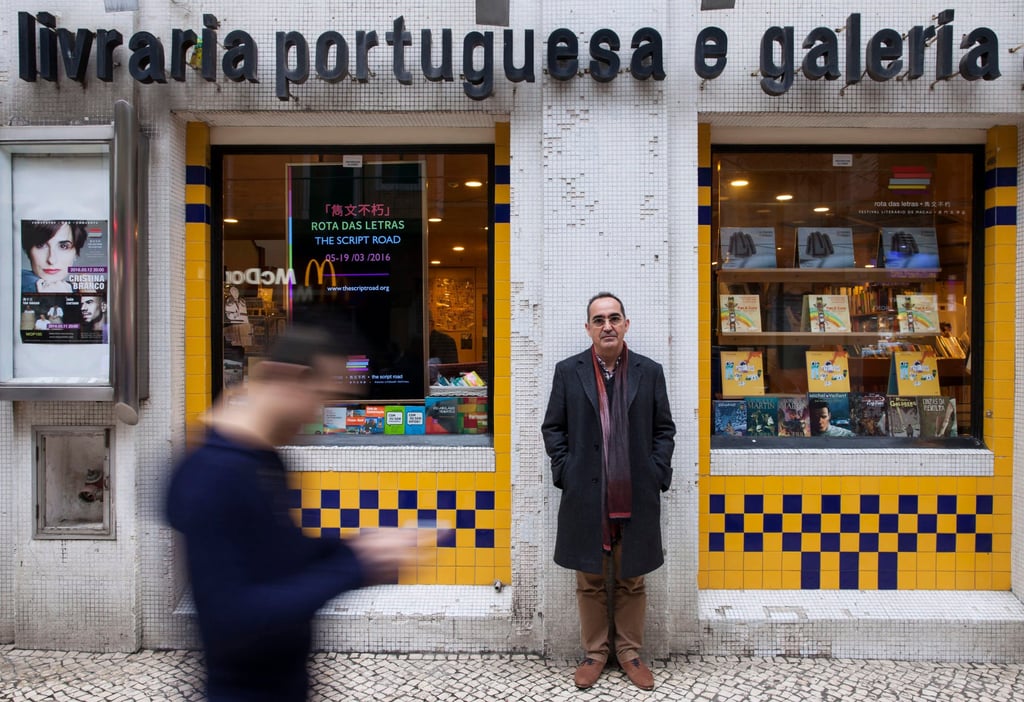
Ricardo Pinto at the Portuguese Bookshop (Livraria Portuguesa) in Macau. Photo: courtesy Ricardo Pinto
IN 2011, THE PORTUGUESE bookshop was put out for public bidding for local or other companies to run it, because the previous concessionaire was not willing to renew its contract. There was a lot of controversy because the bookshop building was about to be sold and that created a strong reaction from the Portuguese community. There was a public petition to the president and prime minister of Portugal, and all the political parties to stop the sale of the bookshop. And they finally did. Soon after, they had a public meeting and I was the only bidder. I started managing the bookshop that April.
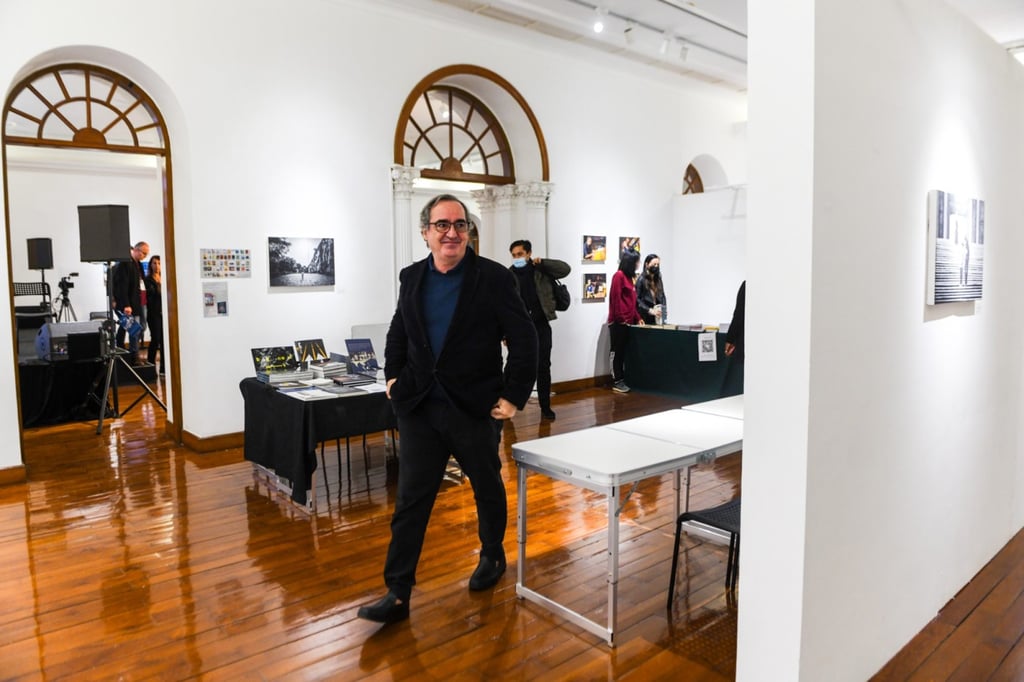
Ricardo Pinto at Casa Garden during the Macau Literary Festival. Photo: courtesy Ricardo Pinto
I’D INVITED SOME of the people working with me on Macau Closer and Ponto Final to be my partners in the (bookshop) business and we started to think about an event to mark the 20th anniversary of Ponto Final. At first, we were just inviting a couple of writers, but then we got excited about it. We had some sponsorship, even from the casinos, and a little bit from the government, but it was really not enough for what we did (Ponto Final launched the Macau Literary Festival in 2011). I lost a lot of money, but it was a wonderful event that we created, not only having talks with authors from Portuguese-speaking countries, China and elsewhere, but also hosting artists’ exhibitions. We brought filmmakers to Macau, we had concerts and everyone was happy with the way it went. This March will be the 15th edition of the literary festival.