Walking with the Penan people of Borneo’s Sarawak rainforests
Indigenous to the Sarawak rainforests, the Penan people have moved from a nomadic existence to being internet-connected farmers

Covered in mud, I cling to the trunk of a young tree on a treacherous slope, catching my breath. George Ulan, our guide, is gathering leafy branches to block a narrow trail, having discovered layuk sa’at mu’un – very bad bees – whose stings leave you incapacitated for days, but the rest of the group is out of earshot. It is my fourth month in the jungle that year and I am thrilled to have been taken along on this walkabout with George and his family. I am trying my best to keep up.
Considered some of the last nomadic hunter-gatherers in the world, less than 100 years ago the Penan moved according to ecological rhythms and spiritual belief. It is estimated that of about 25,000 Penan today, fewer than 200 remain nomads, and numbers are dwindling fast.
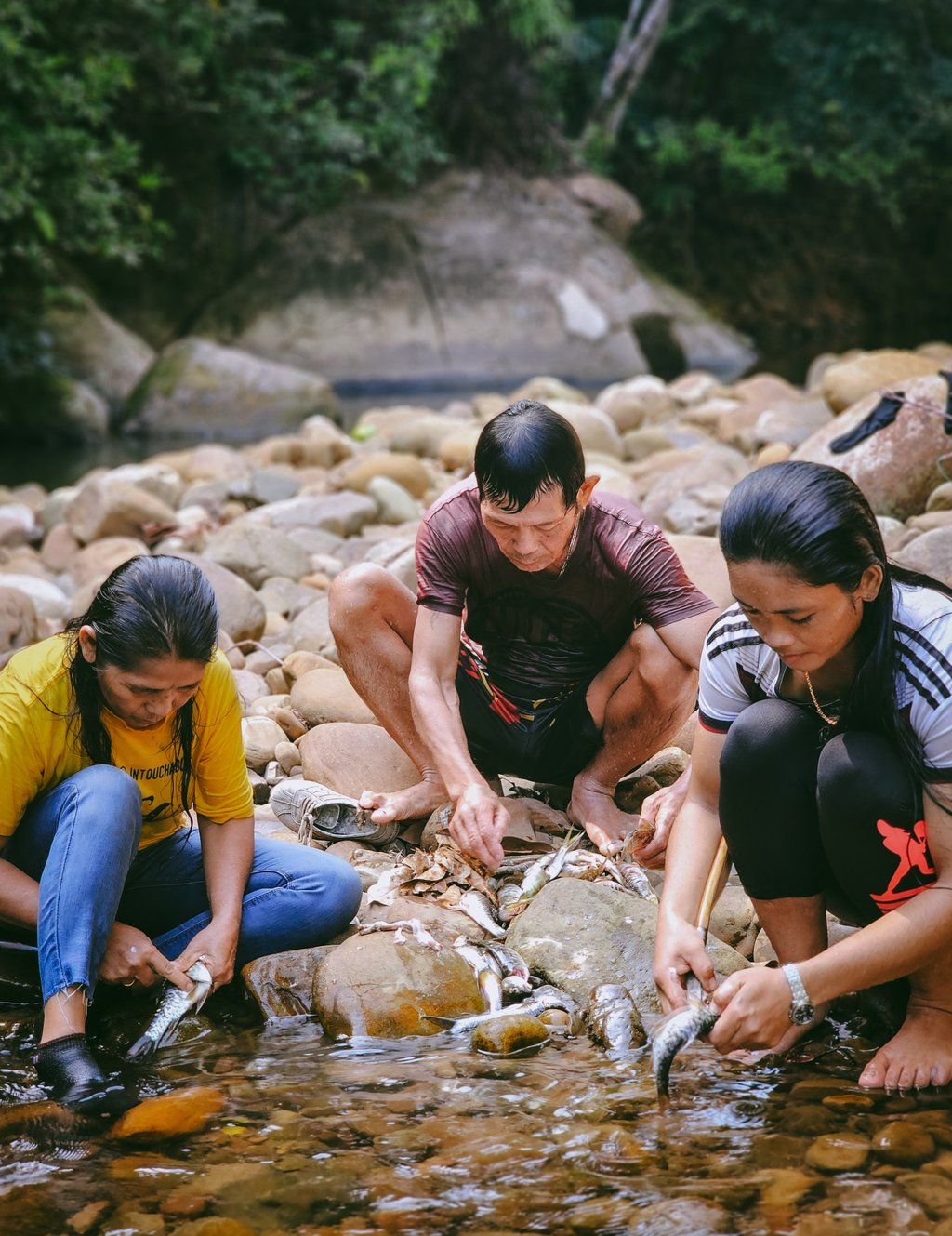
We are trekking up Batu Layuk (bee mountain) – no one bothered to mention that before we set off – which comprises a punishing climb through rough terrain, rewarded by breathtaking views over Selungo Valley. Well into his 60s, George ascends with the nimble gait so characteristic of the Penan, pointing out useful plants, edible mushrooms and animal tracks, such as those left by porcupine feet and sun bear paws. I, a quarter of a century his junior, trudge behind in silence, just trying to get through each step.
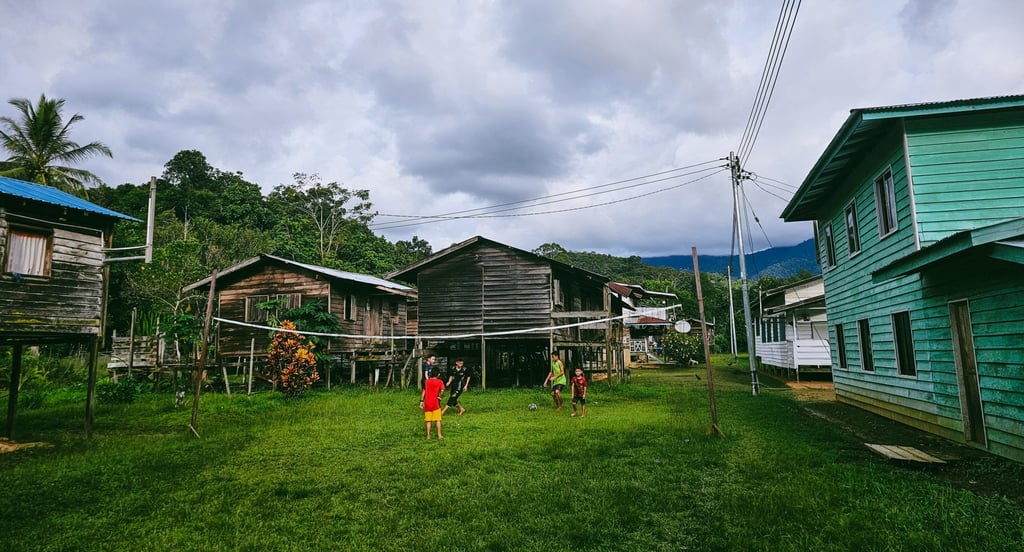
Six hours later and we’re at the top of the mountain, where I am flooded with tremendous relief and happy hormones. But that’s the way it is here. I have rarely felt as vibrant as I have after a few nights, being rocked asleep in my hammock to the symphonies of this jungle, with its drinking vines, glow-in-the-dark fungi, moss-covered tree trunks, gigantic elephant-ear leaves, bat-filled caves and oversized ants.