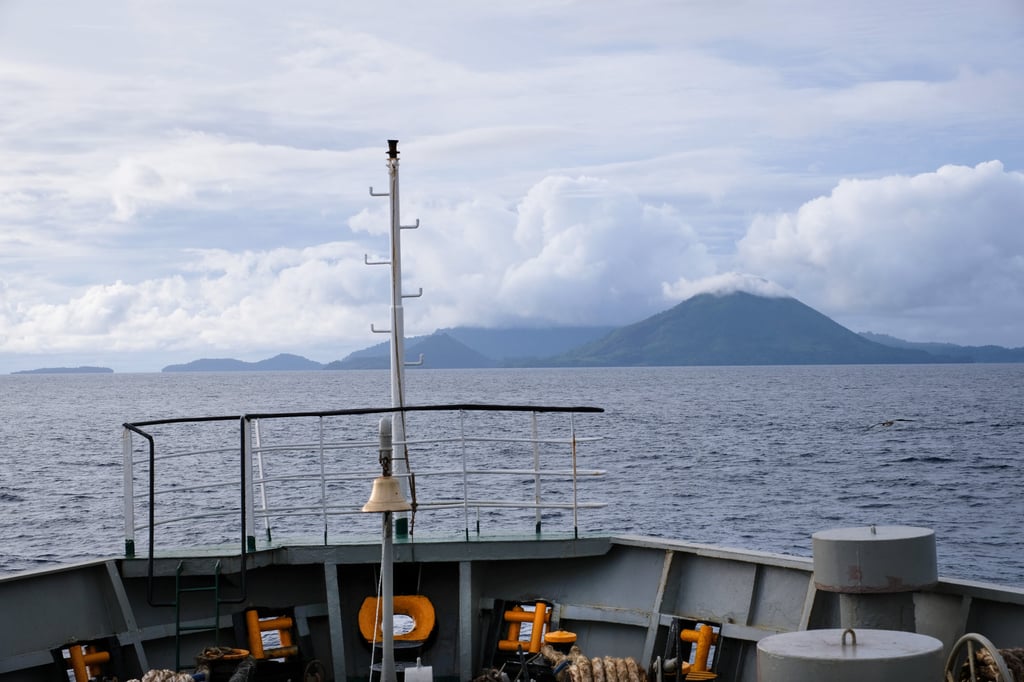
Volcanic views and forgotten graves in Indonesia’s Banda Islands
A journey to the Bandas, where nutmeg was once worth more than gold, reveals the fragile survival of a forgotten Chinese diaspora

The dinghy glides across the 100 metres that separate the islands of Banda Neira and Banda Api, and moors under the flanks of the cone-shaped Gunung Api, “fire mountain” in Bahasa Indonesia.
My boatman, a small, scrawny fellow named Ambon, points at the beginning of the trail to the summit. The path is as clear as the morning sky, glowing after a night of non-stop rain.
Back across the channel, on the southwestern corner of Banda Neira, guest house verandas line the shore by the town’s main market. I spot the wooden loungers of the Matahari Guesthouse, where I am staying and from where my wife and I first assessed this climb to Api’s almost permanently cloud-shrouded caldera.
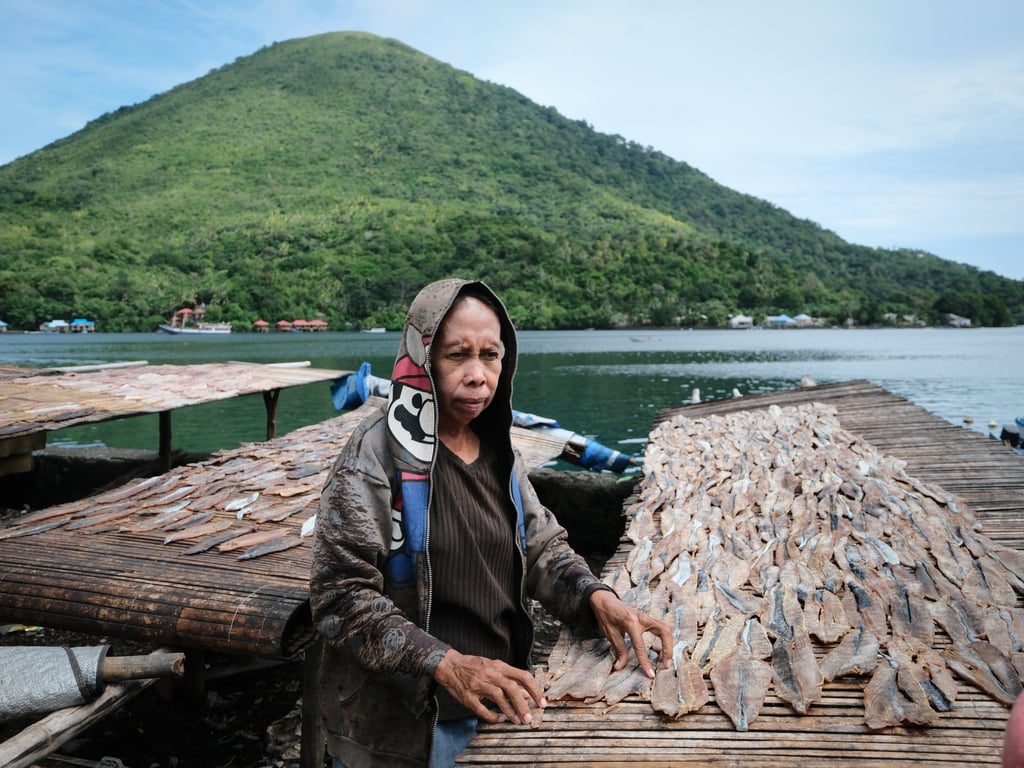
“How do we contact you when we come down?” I ask Ambon, as I set foot on Banda Api, an island 3km in diameter and 100 per cent volcano. He gives me a smile, followed by a benevolent stare that I interpret as, “Don’t worry, I’ll find you.”
We set off up the almost 45-degree slopes of the brooding, 640-metre-high volcano, and after about 90 minutes of winding through overhanging vegetation, rise above the tree line onto black volcanic soil. I sit, feeling the mountain’s heat radiate through stone and into the seat of my hiking trousers as I observe Banda Neira sprawled below us like a south-pointing tear, one of 11 islands speckled like crumbs in the rough Banda Sea, 250km southeast of Ambon, the capital of the remote Indonesian province of Maluku.