Asia’s newest luxury hotels blend tradition and modernity
Discover Asia’s most captivating new luxury hotels – from Kyoto’s geisha-haunted Imperial to Lugu Lake’s matrilineal retreat – where heritage craftsmanship meets cutting-edge design

Familiar names in unfamiliar territory, modern takes on time-worn tradition, buildings repurposed for the discerning traveller: the post-Covid rush of new hotels throwing open their doors in Asia has continued apace in the past few months. Here are some of the most interesting:
Imperial Hotel Kyoto (Japan)
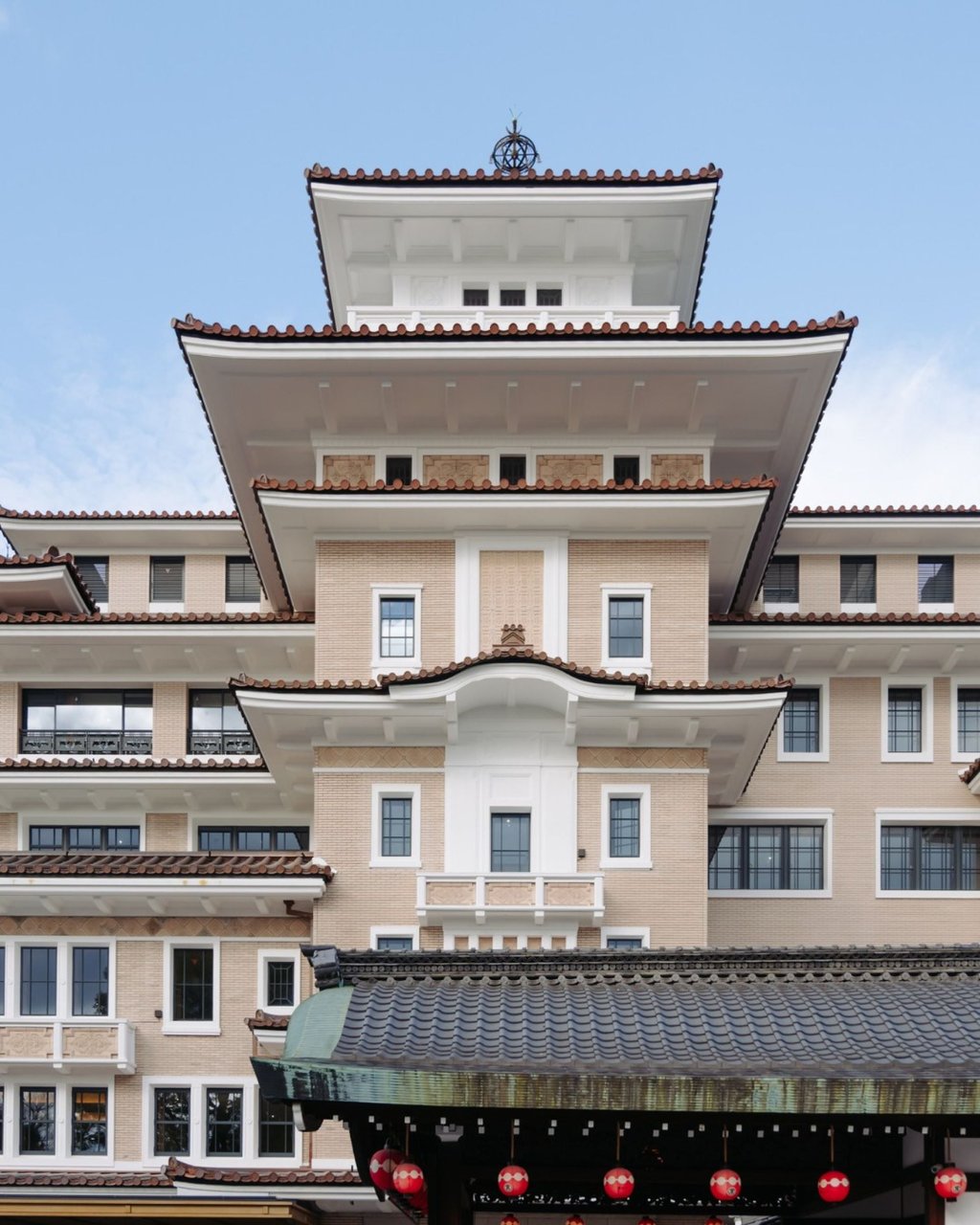
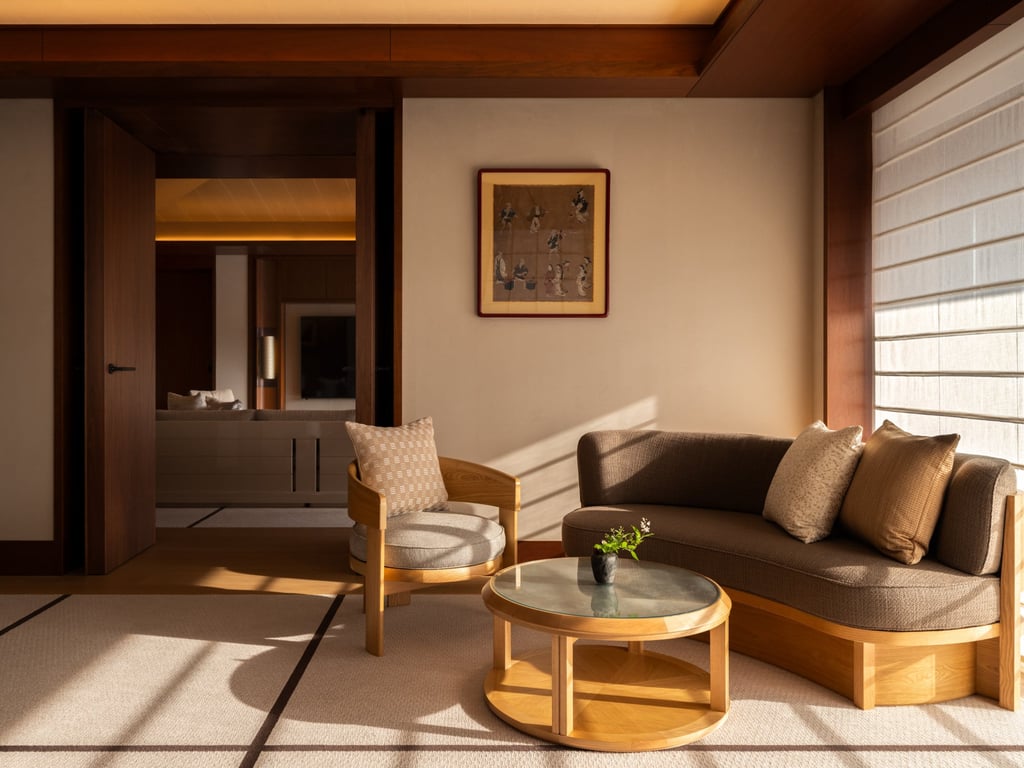
In the heart of the upscale Gion district, the latest and fourth member of the Imperial chain occupies the 1936 Yasaka Kaikan building, its 55 rooms, eight with tatami flooring (a first for Imperial), found in the Main Building and the North Wing, a black timber extension.
Yasaka Kaikan was once a theatre and cultural hall for the geiko (geisha) and maiko (apprentices) of Gion. This connection informed the restoration of the building: workers salvaged more than 16,000 exterior tiles dating from the 1930s to reuse and the design includes a copper-tiled roof and a central tower that mimic those of a Japanese castle keep. In the grounds stands a school where maiko are still trained, adding to the atmospherics.
REN (French-Japanese), YASAKA (teppanyaki) and the Old Imperial Bar supply the food and drinks, but none tops the visuals at the seasonal Rooftop bar (for guests only), its views towards the Higashiyama mountains having been made all the better by the granting of an exception to local building regulations: the Yasaka Kaikan was allowed to remain 100 foot (30.5 metres) tall whereas a 40-foot limit applies elsewhere in Gion.
Capella Kyoto (Japan)