Banking reimagined: Fintech transformation paves the way for new generation of digital services
- Experience-driven services enhance customer satisfaction and are in line with changing digital behaviours, HSBC says
- Fintech solutions add higher levels of security to personal banking

[Sponsored Article]
Imagine being able to open a bank account in just five minutes without having to leave home. Or what if a bank could tell if an online transaction was really being carried out by a customer, and not a fraudster, just by the way an individual typed or swiped their mobile phone? And what if your bank used augmented reality games to engage you in their products?
These are just some of the innovations HSBC has introduced as part of its digital transformation, inspired by the new generation of mobile-native customers. The bank is harnessing fintech solutions to provide a customer-focused experience that is evolving in line with consumers’ changing digital behaviour.
HSBC’s commitment to innovation and digital transformation is reflected by its title sponsorship of Hong Kong FinTech Week, ongoing this week and concluding today.
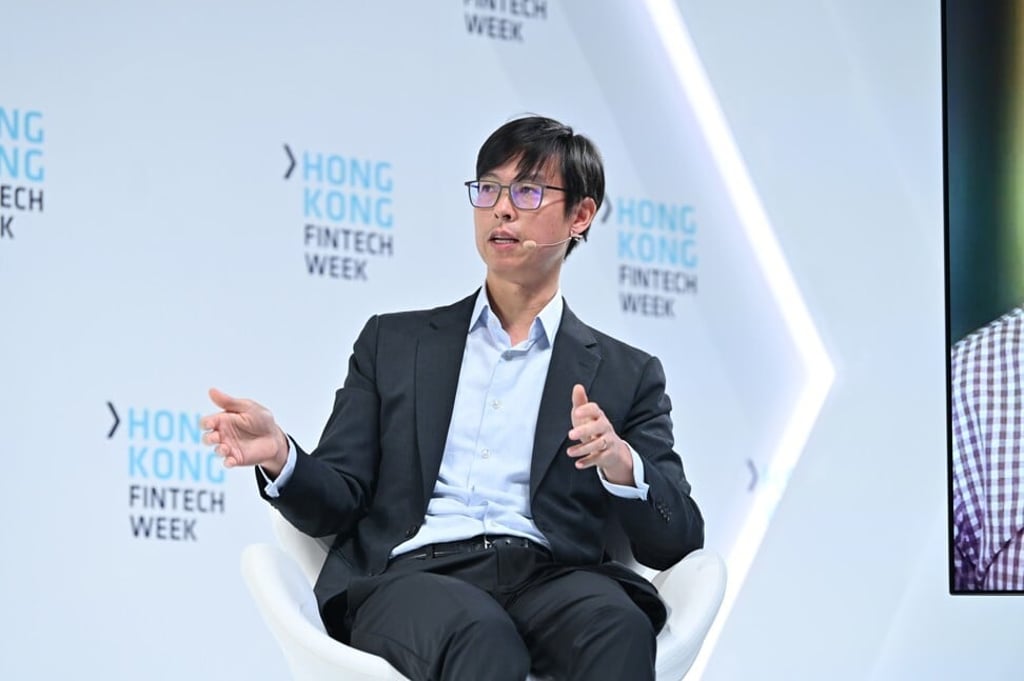
“We are digital in the sense that we spend over US$5.5 billion on digital technologies every year,” says David Liao, co-chief executive of HSBC Asia Pacific.
“We are going into a very different technical trajectory compared to previous years, and it is really up to all industries to use technology to discover data about clients and to seek market opportunities to find ways to serve them.”
The bank’s digital strategy is focused on four key themes – access, engagement, sales and experience, to create a mobile-first “bank in your pocket”.
HSBC has set itself the target of becoming a leader in providing digital banking experiences, and is increasing its technological capabilities as it works towards this goal.
In the first half of this year, HSBC launched some 130 new digital capabilities and developed 2,500 new features across digital platforms in its wealth and personal banking markets globally. In Hong Kong, about 100 new digital services and features were introduced last year, and more than 80 have been implemented so far this year.
“We are creating an experience on a par with leading incumbents and virtual banks, building upon the foundation of our largest customer base in Hong Kong,” says Maggie Ng, head of wealth and personal banking, HSBC Hong Kong.
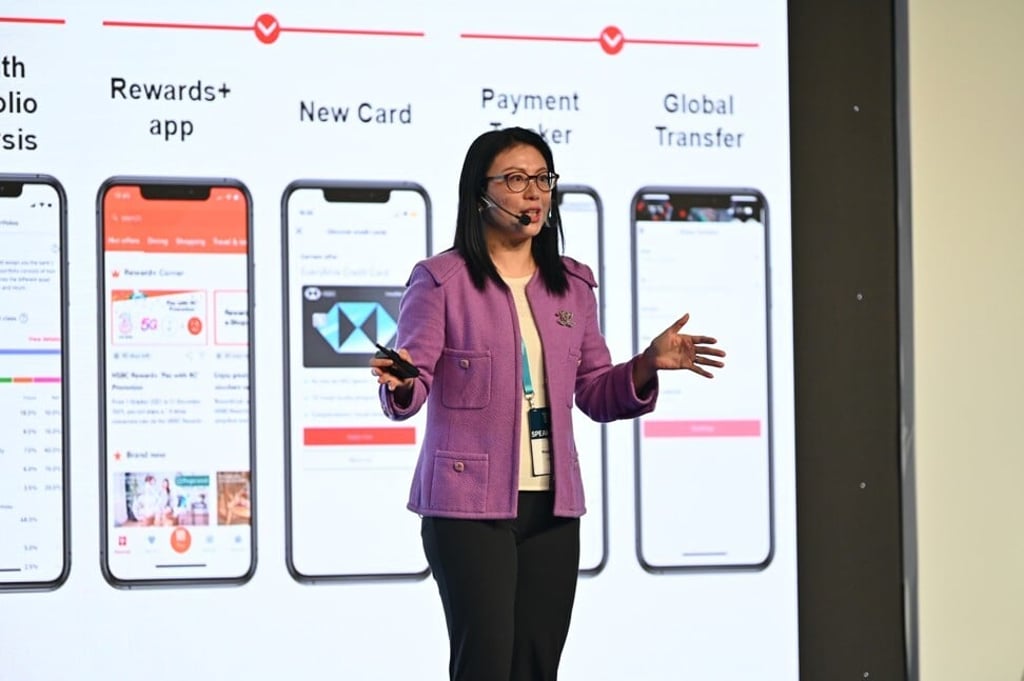
These experience-driven services include the ability to open a bank account in just five minutes through the HSBC app, without having to submit paper forms or have any human interaction.
HSBC has also introduced a new low-cost stock trading solution, Trade25, targeting customers aged between 18 and 25, while its FlexInvest enables people to put funds into unit trusts with as little as HK$100 (US$12.85) through their mobile devices. The bank is also using machine learning to predict customers’ income for credit applications, helping to speed up credit card and loan applications.
Meanwhile, the bank’s PayMe app has been upgraded to attract millennial customers, and now integrates gamification and personalised online activities. PayMe, which was released in 2017 to enable customers to make digital payments through their smartphones, has become one of the most popular apps in Hong Kong, especially among younger generations, with more than 2.5 million users, according to HSBC.
“We need to constantly invest in technology because the regulatory landscape and how we are serving society is also changing,” Liao says.
“Today, we have technology to open accounts in minutes, but as people go global and cross borders in different jurisdictions, we need to respect the regulations and environment of different markets,” he adds. “We need to adhere to compliance.”
The bank’s digital transformation is harnessing artificial intelligence (AI) and big data to offer higher levels of security to customers. It has introduced AI-enabled Google technologies to convert speech into text, as well as applied natural language processing – under which computers analyse speech – to help ensure the service quality of its call centres.
The bank’s latest innovation to protect customers involves the analysis of customer behaviours to identify fraud and identity theft. The technology collects the physical traits of banking customers, such as the way they type, use their computer mouse, or swipe and press buttons on their mobile phone. The bank uses this data to help assess whether or not an online transaction is being carried out by the account owner, a cybercriminal or even a bot. Through studying the cognitive behaviour of users, the technology can also try to detect if a transaction is being carried out under the influence of a fraudster.
To add an additional layer of protection, HSBC has also adopted new cybersecurity solutions that seek to verify the true identity of the person conducting an activity, by leveraging data from billions of global transactions that track physical and digital identities. It can also detect abnormal activity, which may, for example, indicate fraudsters are using remote desktop software to try to access an account.
HSBC is collaborating with fintechs and start-ups to create “out-of-the-box” solutions that address the complex needs of its digitally savvy customers. So far, the bank has partnered with more than 100 start-ups to trial their ideas, and partnered with some of the world’s leading technology brands.
“We are serving a new generation of digital and mobile-native customers who have inspired us to transform our digital capabilities and strengthen our mobile first and experience-driven services,” Ng says.