Asia Pushes Green Pharmacy to Global Stage Through WHO Herbal Medicine Collaboration

[The content of this article has been produced by our advertising partner.]
Asia Pushes Green Pharmacy to Global Stage Through WHO Herbal Medicine Collaboration
Jakarta, 22 October 2025 — Asia is stepping forward as a driving force in the global green pharmacy movement, leveraging its vast biodiversity and long-standing traditions of natural medicine to meet rising international demand for safe, sustainable, and effective herbal therapies.
The momentum was underscored at the 16th Annual Meeting of the World Health Organization – International Regulatory Cooperation for Herbal Medicines (WHO-IRCH), hosted in Jakarta this week, where Asian regulators, researchers, and industry leaders highlighted the region’s central role in shaping the future of herbal medicine.
“Herbal medicines are no longer just cultural heritage—they are a critical pillar in achieving universal health coverage and building sustainable healthcare systems,” said Prof. Dr. Taruna Ikrar, M.Pharm., Ph.D., Chairperson of Indonesia’s Food and Drug Authority (BPOM). “Asia must lead in advancing regulation, innovation, and global standards to unlock their full potential.”
The World Health Organization estimates that up to 80% of the global population relies on traditional and complementary medicine for primary health needs. With the herbal medicine market valued at over USD 180 billion in 2024 and projected to grow by 8–10% annually, Asia—with its rich biodiversity and centuries of traditional use—is well positioned to capture significant market share.
From India’s Ayurvedic systems and China’s Traditional Chinese Medicine (TCM) to Indonesia’s jamu and Southeast Asia’s biodiversity-based remedies, the region holds some of the deepest reservoirs of knowledge and raw materials. Indonesia alone harbors 30,000 plant species, with 9,600 recognized for medicinal use, yet only a fraction has been developed into standardized herbal medicines or phytopharmaceuticals.
Analysts say this underscores both a market gap and a strategic opportunity for Asia to scale innovation, standardize regulation, and strengthen exports of herbal medicines to meet global needs.
Academia–Business–Government (ABG): A Regional Model
At the Jakarta meeting, participants emphasized that Asia’s future success in green pharmacy hinges on cross-sector collaboration. The Academia–Business–Government (ABG) model, pioneered in Indonesia, is increasingly seen as a blueprint for the region:
- Academia validates efficacy through rigorous research.
- Business drives commercialization and scaling.
- Governments ensure safety, quality, and regulatory alignment with global standards.
“By embedding herbal medicines into national health systems and ensuring international compliance, Asia can become not just a producer, but a global standard-setter,” Prof. Taruna noted.
The green pharmacy movement is gaining urgency as governments and companies seek healthcare solutions aligned with environmental, social, and governance (ESG) principles. Herbal medicines are viewed as a pathway to:
- Reducing reliance on chemical-based pharmaceuticals.
- Promoting sustainable sourcing and biodiversity protection.
- Supporting inclusive healthcare access, particularly in underserved communities.
For Asia, this means herbal medicines are not only a healthcare solution but also a green economic growth driver that aligns with climate commitments and biodiversity conservation.
Showcasing Asia’s Innovation
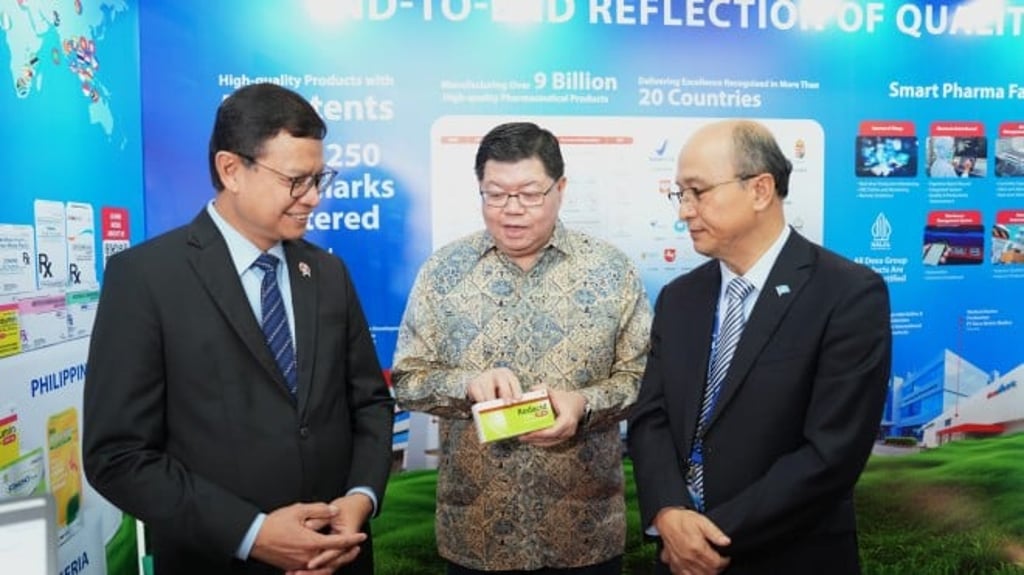
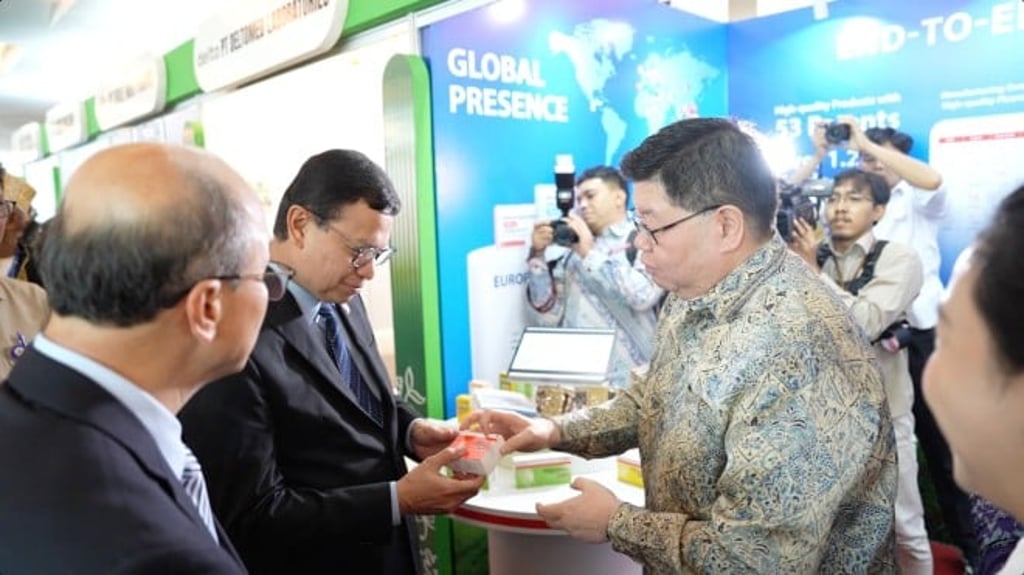
Delegates to the WHO-IRCH meeting visited Dexa Laboratories of Biomolecular Sciences (DLBS) in Cikarang, Indonesia—one of the region’s pioneers in biodiversity-based research. Since 2005, DLBS has developed Integrative Modern Natural Medicines, blending modern molecular science with evidenced-based ingredients with clinical evidences. Among its breakthroughs is Disolf, derived from the earthworm (Lumbricus rubellus), which supports blood circulation—an example of how local knowledge can be transformed into globally competitive products.
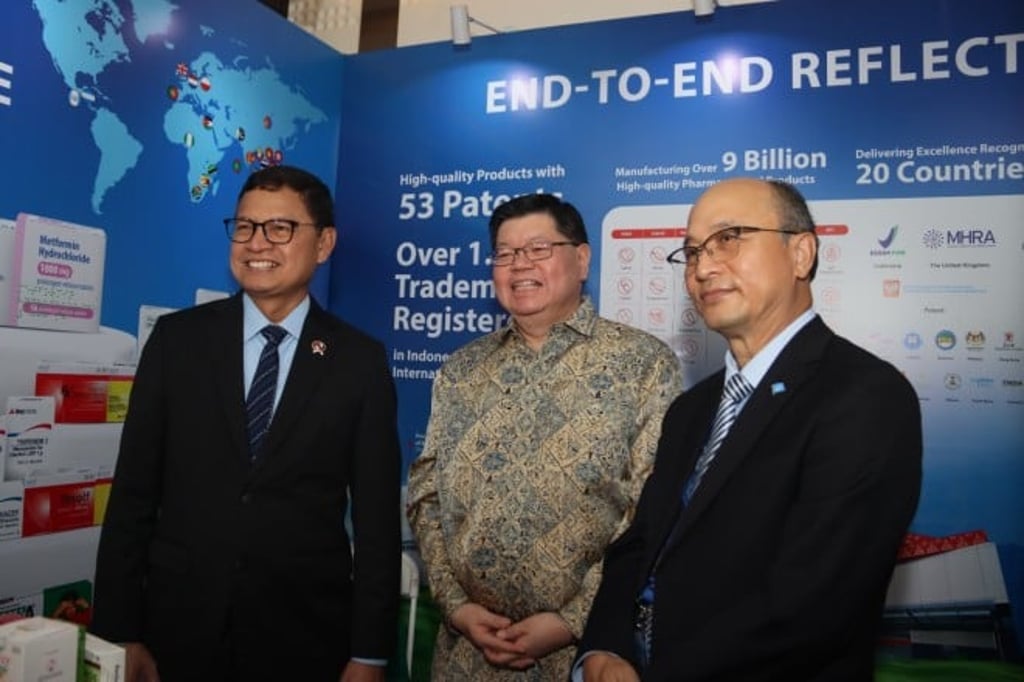
With 58 delegates from 24 countries present, the Jakarta meeting—chaired by Dr. Sungchol Kim of WHO-IRCH—reinforced Asia’s growing influence in regulatory harmonization, market access, and standard-setting.
“Asia is not just a participant in global herbal medicine development—it is fast becoming the epicenter,” Dr. Kim noted.
The outcome of the meeting points to an emerging Asian consensus: that the region must act collectively to strengthen regulations, scale production, and ensure herbal medicines meet both rising domestic demand and stringent global standards.
Asia’s Green Pharmacy moment has arrived. By aligning tradition with modern science, and coupling biodiversity with ESG imperatives, the region is poised to redefine the global landscape of natural-based medicines—moving from heritage to healthcare, and from regional tradition to worldwide innovation.