Rising costs and geopolitics prompt the global supply chain to strengthen robustness, industry veteran says
- Despite signs of improvement, the global economy is confronted with many uncertainties, including geopolitical tensions and rising costs.
- Supply chains worldwide are stepping up efforts to build resilience across multiple aspects, including diversifying product sourcing and intensifying the pursuit of innovation.

[The content of this article has been produced by our advertising partner.]
The global economic picture shows resilience in 2024: in the first quarter of this year, major trade figures started reversing a downturn trend characterised by a slow pace of demand for manufactured goods.
Nevertheless, global trade has recovered with moderate intensity. According to the World Economic Outlook published by the International Monetary Fund, forecasts for the market in the United States indicate improvement. EY forecasts that the USA's real GDP growth will be 2.7 percent for 2024. However, the situation is much weaker for other advanced economies, particularly major European countries. The Vanguard Funds forecasts that the 2024 GDP growth of the European Union is 0.6 percent, and Germany, the largest economy in the region, has continued its contraction.
The supply chains have returned to growth mode, emerging from the serious disruptions caused by the pandemic. However, many manufacturers and exporters are struggling with rising costs. The cost inflation is attributed to many factors: material scarcity has increased, freight costs have risen, and ongoing regional wars have led to disruptions in container shipping, longer haul routes, and ocean freight bottlenecks. Unpredictability has become the norm: extreme weather events happen more often, and port workers' strikes have led to massive port congestion.
Against this backdrop are the rise of protectionism and the unpredictable nature of export-import regulations, emerging from the ongoing clash between two of the world's largest economies. Increased tariffs and sanctions continue to cast a shadow over the stability of global supply chains and commerce.
Diversification of production bases
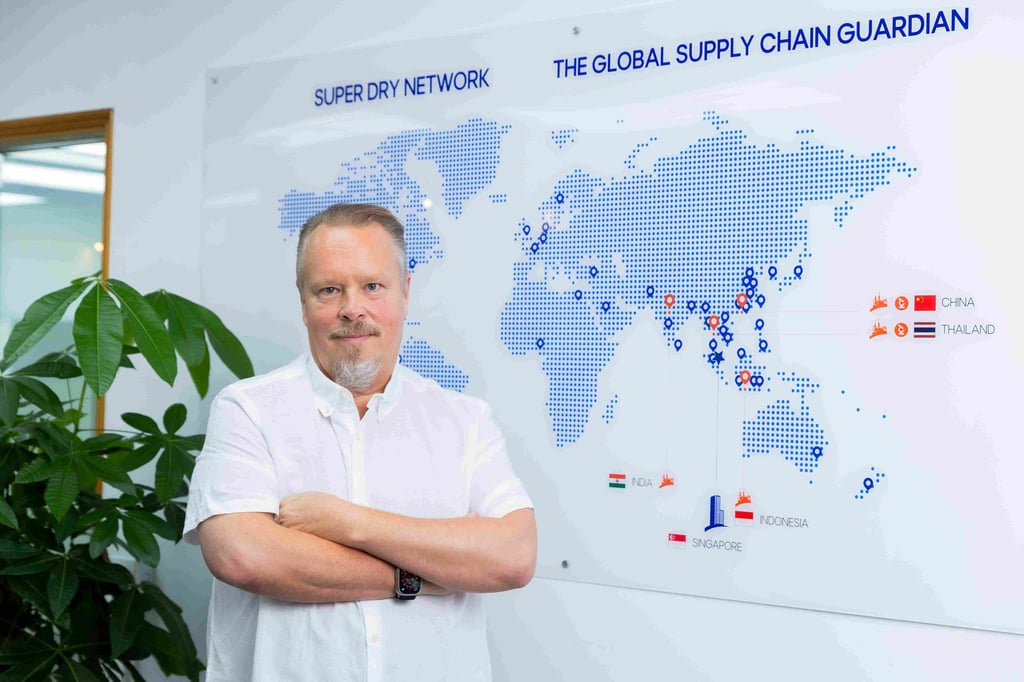
In response to emerging protectionist policies globally, an increasing number of manufacturers are building resilience into the supply chains and enhancing flexibility by diversifying production bases. “Trade volume in the regional supply chain has grown, as overall global trade with the US and Europe has been affected by geopolitics and protectionist policies,” Lundin says.
In Asia Pacific, the countries that comprise the Association of Southeast Asian Nations (ASEAN) now account for almost 8 percent of global exports, which is on a par with the US. This region has benefited from Chinese growth and the extension of value chains, thanks to the increased integration with China. ASEAN’s role as an export platform has been further enhanced in the context of the tensions between the US and China.

China’s robust supply chain infrastructure
Since China adopted its “Open Door” policy in the late 1970s, the country has grown into a global manufacturing powerhouse characterised by its robust supply chain infrastructures.
Lundin points out that China’s established supply chain infrastructure enables the country to continue supplying parts and components to neighbouring countries for the production of finished goods. “Indonesia supposedly makes its own TVs, but actually they are just assembling components,” Lundin says. “When Thailand and Indonesia make cars, I guess more than 50 per cent of the components are imported from China.”
Meanwhile, China is enhancing supply chain resilience by adopting a technology-driven production model, significantly increasing its use of industrial robots, and leading in the production and export of essential battery components.
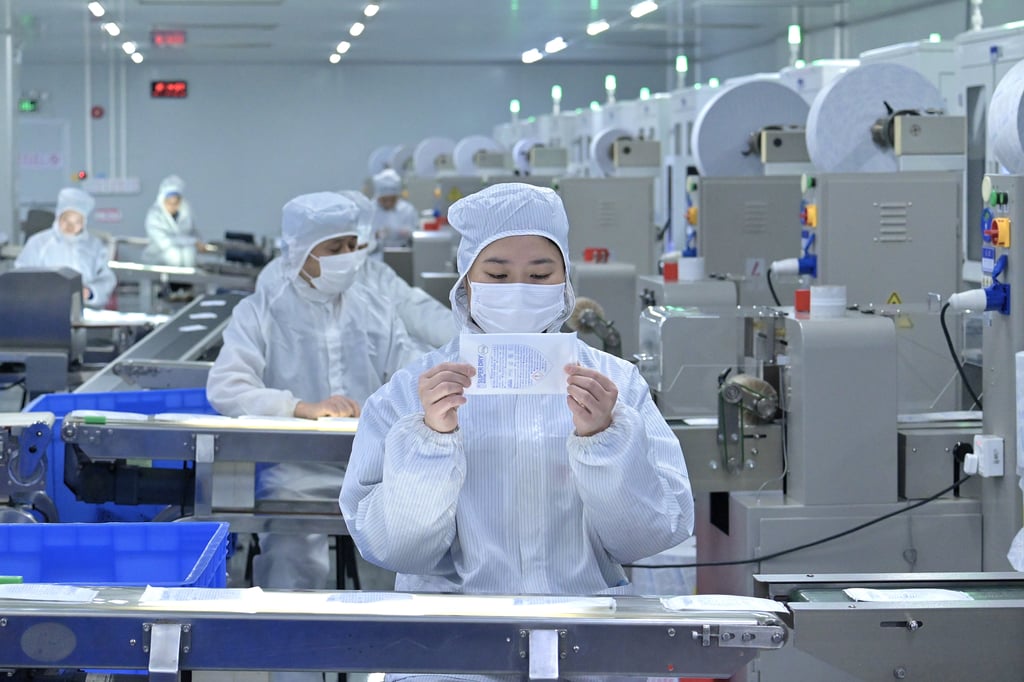
The global supply chains are undergoing major transformation as manufacturers diversify production bases to satisfy buyers’ growing demand for goods from multiple sources. Many Exporters and importers alike need to navigate increasingly complex trade regulations and tariffs.
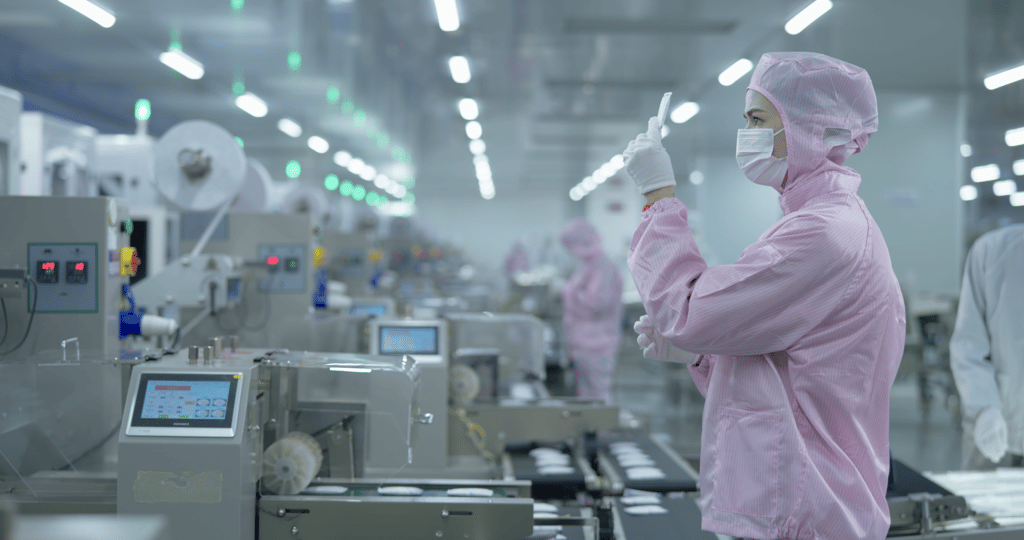
The company will put more resources into leveraging data analytics to provide customised moisture damage prevention solutions to its clients. “Nowadays the value of a company is the information you have, namely the data of your customers,” Lundin notes. “We have 30,000 customers globally and have collected lots of data about how we serve them. Data analytics and artificial intelligence will help us take care of them in a more efficient way.”
Work is also underway to centralise its global customer relationship management system (CRM) with Hong Kong as the hub. “Hong Kong is where we collect all the data globally because of the skilled labour,” he says.
Lundin says social media platforms, such as TikTok, are the future of business-to-business marketing and sales. He also foresees less business travel by its executives. To share in person its expertise with clients, existing and potential ones, the company will increase its participation in trade shows and conferences.
Trust is key to a long-term partnership. Super Dry has aligned its operations with clients’ pursuit of sustainability and ESG. Lundin says the company has integrated genuine sustainability practices and upholds transparency to clients and end-users. Its production is in strict compliance with international standards and has been certified by multiple international bodies.
Geopolitics, ongoing conflicts and extreme weather events are expected to continue reshaping the global business landscape. To stay competitive, companies have invested more resources into enhancing the resilience and flexibility of global supply chains by diversifying their production bases and sourcing, as well as investing in technologies and sustainable practices. Overall, these moves should contribute to increased robustness in global supply chains, Lundin believes.