Navigating the Leviathans: Professor John Mearsheimer and the resurgence of great power politics
At a recent SCMP Plus fireside chat in Hong Kong, political scientist Professor John Mearsheimer discussed global power dynamics. He analyzed the structural realities of great power competition, specifically examining Middle East diplomacy and the complexities of the ongoing US-China systemic rivalry.

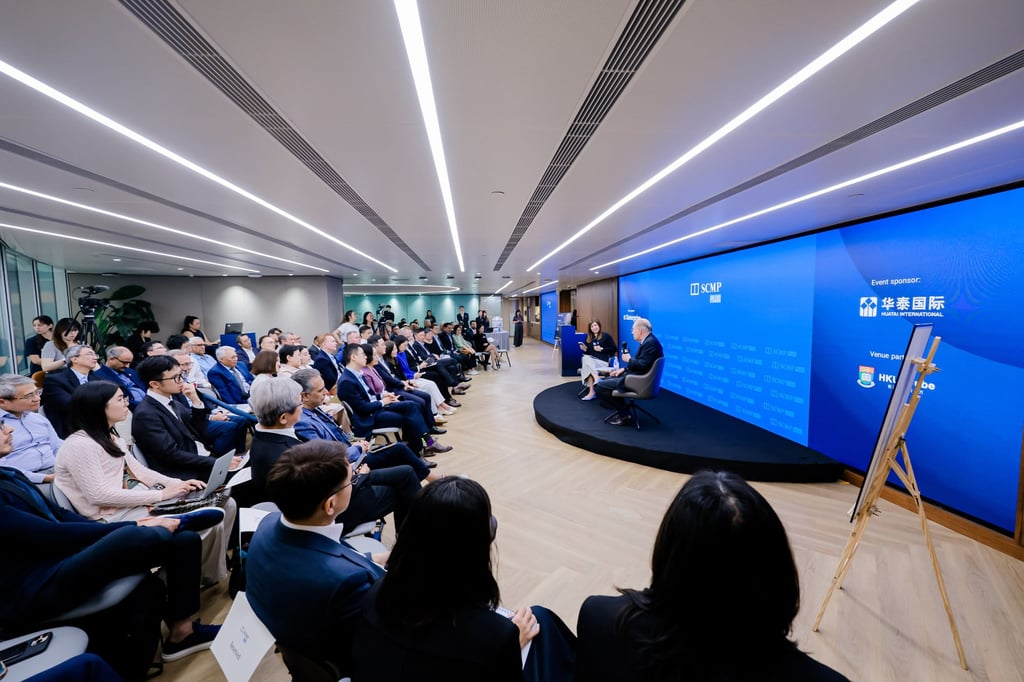
In an era defined by shifting alliances and structural instability, the resurgence of great power politics has returned to the forefront of global strategic discourse. At the recent SCMP Plus fireside chat, held at the HKU iCube, a distinguished assembly of subscribers and community leaders gathered to hear from Professor John Mearsheimer, the pre-eminent political scientist from the University of Chicago.
In a compelling conversation moderated by SCMP Executive Editor Zuraidah Ibrahim, Mearsheimer offered a clinical analysis of global power dynamics, the fallout of Middle Eastern foreign policy, and the inevitable friction of US-China relations.
The event, sponsored by Huatai International, highlighted Hong Kong’s vital role as a nexus for high-calibre intellectual exchange between global thinkers and regional decision-makers.
Understanding the framework of great power relations
Central to the discussion was the application of the theory of offensive realism to contemporary geopolitics, where it was argued that the international system remains fundamentally a “self-help” world lacking a higher authority to maintain peace and order. Within this framework, because states can never be certain of the future intentions of others, they are structurally incentivised to maximise their own power and reach for regional hegemony as the ultimate form of insurance.
Perspectives on Middle East diplomacy
The dialogue addressed recent US involvement in the Middle East and assessed the latest Iran ceasefire negotiations, noting that economic pressures and limited military options had heavily influenced the terms of the agreement. Reflecting on the broader implications, the discussion emphasised the significant international economic factors linked to regional influence and the strategic importance of the Strait of Hormuz.
US-China dynamic
Recent commentary on the “Thucydides Trap” highlights how the structural realities of the international system drive US-China competition. As shifts in economic and strategic influence alter the balance of power, high-stakes technology competition remains persistent. While nuclear deterrence helps prevent direct conflict, managing this systemic rivalry underscores the critical importance of careful diplomacy by both powers.
The session concluded by reinforcing the value of the SCMP Plus fireside chat series. These events continue to provide subscribers with unparalleled access to the world’s leading thinkers, offering the clarity needed to navigate the complex trends shaping the future of Asia and the global order.
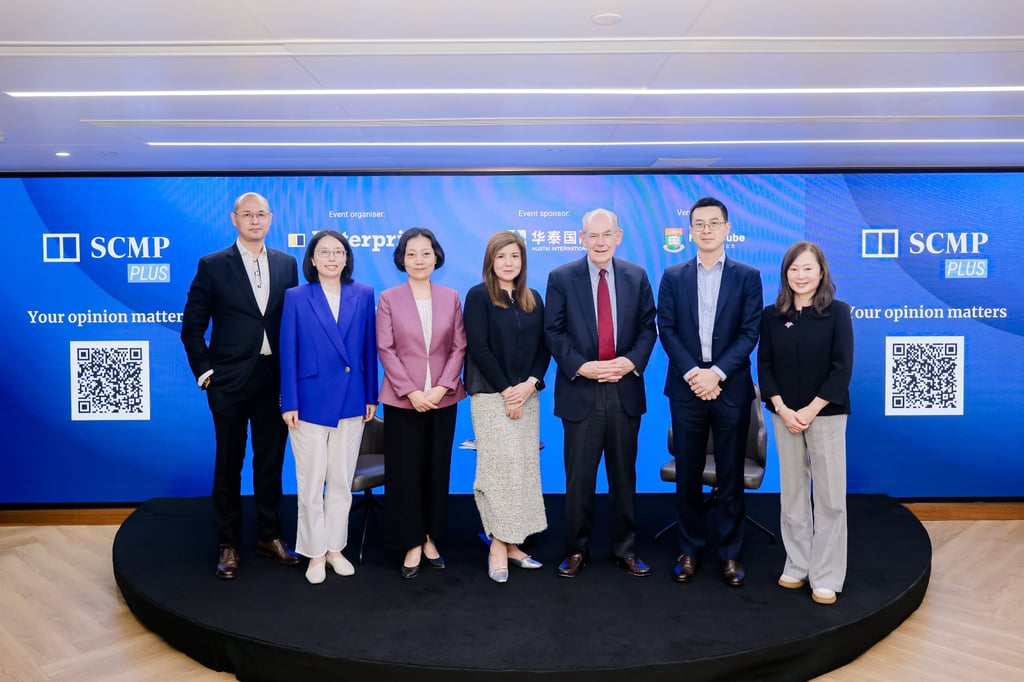
The SCMP Plus fireside chat series provides exclusive access to the world’s leading thinkers, offering our subscribers unparalleled depth on the trends and individuals shaping the future of Asia and beyond.