CUHK LAW Readies for New Legal Tech World

[Sponsored Article]
The legal sector, like so many others, is being transformed by technology. Advances in AI and data mining are changing the way practitioners work, but are also creating new substantive aspects of the law. This new development relates to everything from data privacy and cybersecurity to self-executing smart contracts, intellectual property, and digital payments.
To ensure students are well-prepared for the day-to-day practicalities and the underlying theoretical concepts, the Faculty of Law at the Chinese University of Hong Kong (CUHK LAW) introduced undergraduate and postgraduate courses on legal technologies last year. However, this is seen as just a first step.
“The work previously done by junior associates, such as due diligence, assessing risk and drafting basic legal documents, is increasingly done by machines,” says Professor Lutz-Christian Wolff, Dean of CUHK LAW. “In particular sectors 60-80 per cent of the legal work is no longer done by ‘human lawyers’, but by computers. Law graduates who enter the legal profession therefore need different skills and qualifications to take on other more sophisticated tasks.”
The crux, of course, is that computers may be very good at applying rules and doing what is routine and repetitive. But actual legal knowledge and the expertise to use it correctly is irreplaceable in situations where the rules – and choices and decisions they entail - are not binary.
“We can use AI for decision support and statistical data, for example in assessing the chances of success in specific cases,” says Dr. Eliza Mik, Assistant Professor of CUHK LAW, who teaches the legal technologies course as an elective for the LLB (Bachelor of Laws) and JD (Juris Doctor) programmes. “For now, computers can assist, but not make the decisions for us. However, lawyers must understand legal technologies to use them, and they must understand the legal and practical implications.”
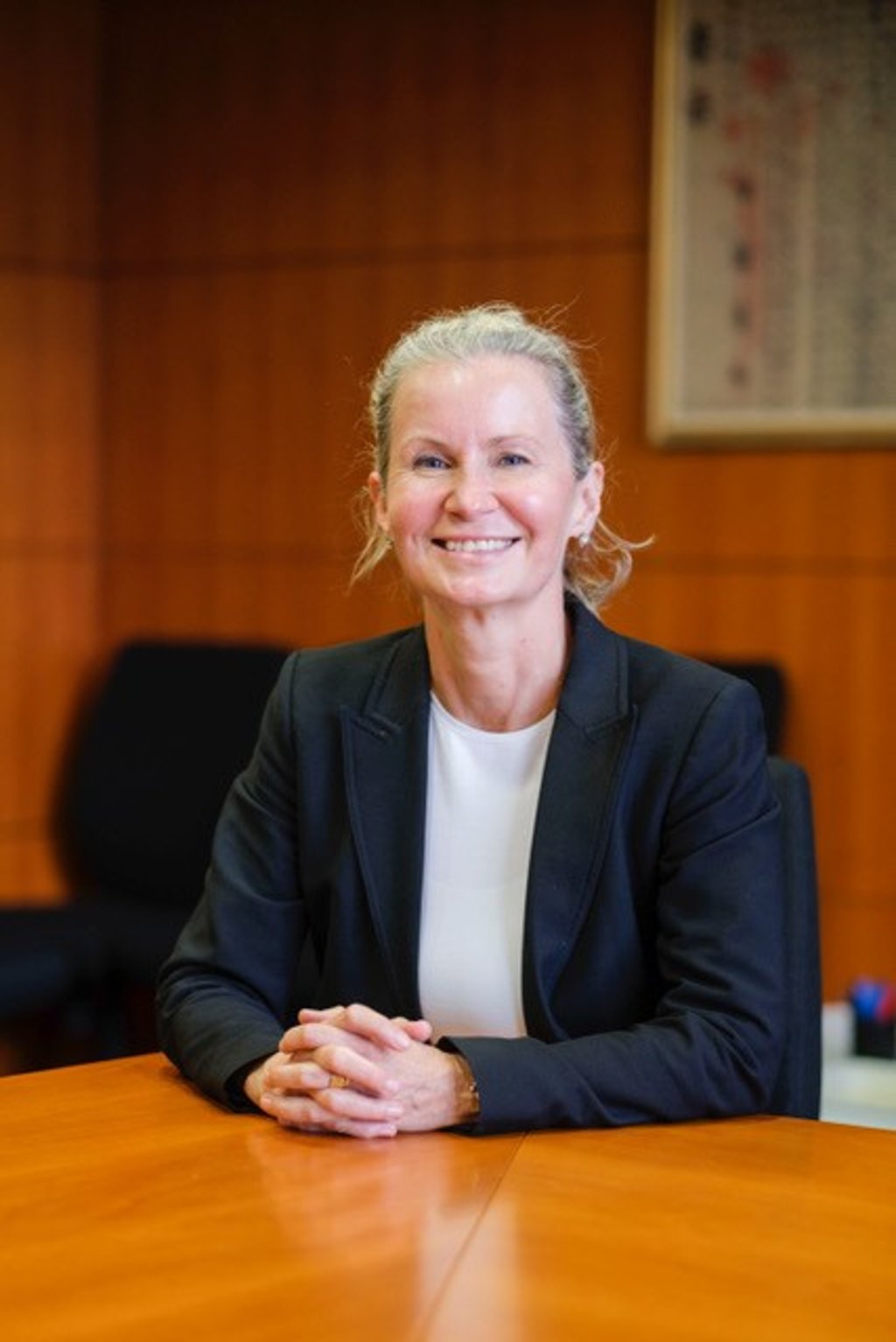
“I teach students to choose the right tool for the task at hand,” Mik says. “At some stage, you have to intervene manually and that’s where you need good legal brains. Technology can do a lot, but at some point it hits a wall.”
So far, the course has proved very popular, being fully subscribed and generating plenty of discussion and opinion.
“The feedback has been great,” says Wolff. “Students see the importance and are really into all this. We had discussions in advance with the legal profession, who were all very supportive, so we may decide to make the legal technology courses compulsory.”
Already in the works is a similar tech-based elective, which will be added later this year to the PCLL (Postgraduate Certificate in Laws) programme, a qualification for anyone intending to practise in Hong Kong as a solicitor or barrister. A practising solicitor will lead the course and set exams, thus ensuring students get a real-world perspective and see the distinction between what concerns a lawyer and what is best left to the “IT guys”. The aim is to make the course as practical as possible, so graduates can settle in quickly when moving on to full-time jobs. Half-way through, there will be an assessment where students, in the role of trainee solicitors, will have to explain in detail how legal technology could improve the overall efficiency of a particular firm.
“It is groundbreaking stuff,” says PCLL Programme Director Mr. Christopher Knight. “And it is important because senior lawyers can see that taking on junior associates with relevant tech training will help their firms to adapt. It is a new subject, but we will blend it with traditional things like presentation skills and professional judgement. Clients will still want a solicitor or barrister advising them, but for that person to have every assistance that technology can provide.”
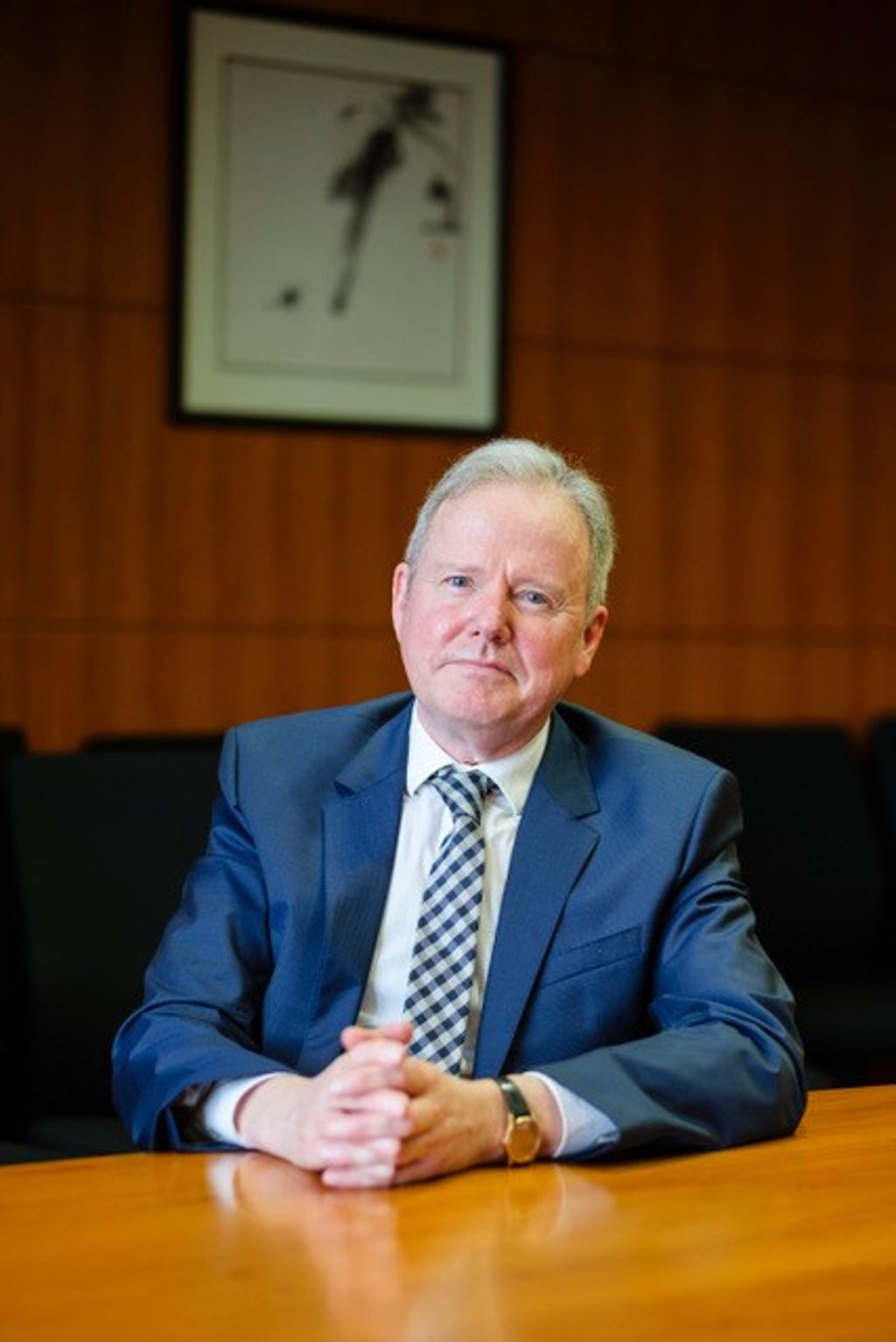
In fact, looking ahead, Professor Wolff can even envisage a future, 30-plus years from now, where AI will be able to balance different interests and values thus discharging tasks which are nowadays reserved for human lawyers.
“One day, machines will be able to make legal decisions and come up with solutions,” he says. “The risk, of course, is that they gain complete independence and get out of control.”