HKLPF regime boosts Hong Kong’s appeal to fund managers and global capital
- The Hong Kong Limited Partnership Fund (HKLPF) regime offers flexibility, tax efficiency and global compliance, making it a compelling choice for fund domiciliation
- Vistra, a global leader in fund and corporate services, supports fund managers with end-to-end solutions for LPFs, including administration, setup, tax compliance and governance

[The content of this article has been produced by our advertising partner.]
The Hong Kong Limited Partnership Fund (HKLPF) regime, a highly attractive framework allowing private funds to be structured as Hong Kong-domiciled limited partnerships, has become a focal point in the asset management industry recently.
With its flexibility, tax efficiency and investor protection, the HKLPF is enhancing Hong Kong’s appeal as a destination for fund domiciliation and cross-border investment.
Since its introduction in 2020, the HKLPF framework has become an attractive option for global fund managers, family offices and multinationals seeking a flexible, tax-efficient and investor-friendly jurisdiction.
A flexible, competitive framework driving Hong Kong’s rise as a global fund domicile
The Limited Partnership Fund Ordinance (Cap. 637), effective from August 31, 2020, provides a legal framework for establishing investment funds in Hong Kong. Under this framework, the general partner (GP) has ultimate responsibility for the management and control, while investors assume the role of limited partners.
When establishing a Limited Partnership Fund (LPF), the GP is responsible for appointing or hiring key operators, such as the fund manager, who oversees the quality of investment activities. The GP can either delegate this role or manage it directly if they have the expertise, explains Daisy Chan, Director of Fund Services at Vistra.
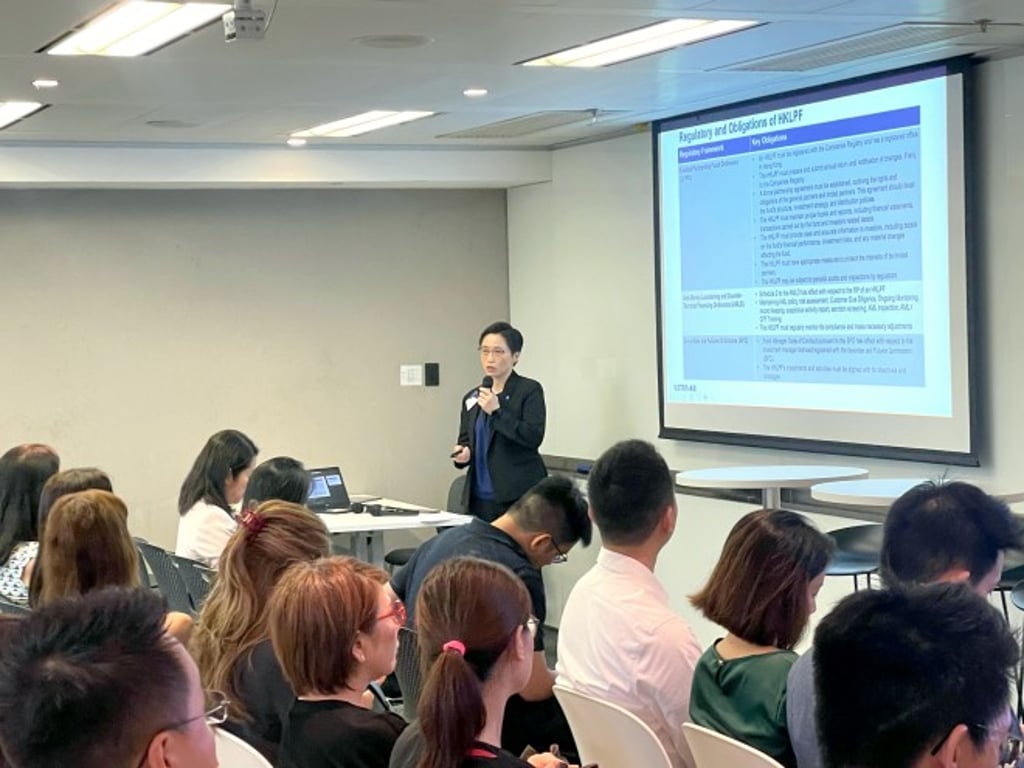
Christine Wang, Commercial Head of Fund Services at Vistra Greater China, acknowledges the growing appeal and flexibility of the HKLPF regime, noting that it enables fund managers to tailor their structures to suit specific investment strategies.
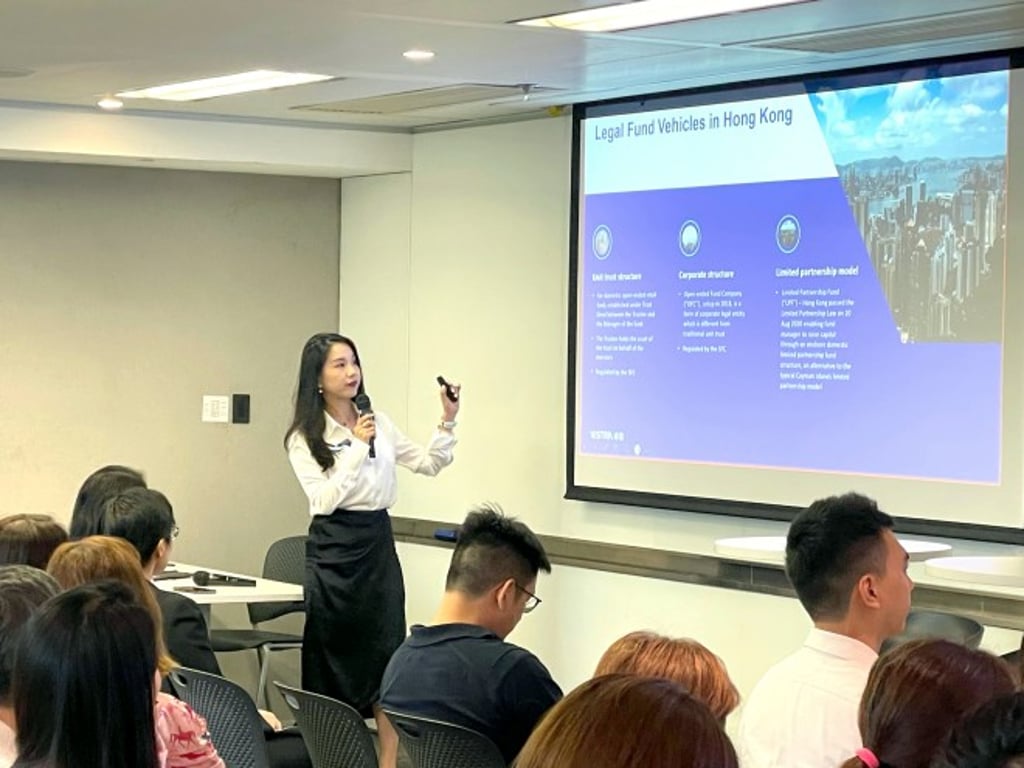
"Compared to well-known fund domiciles like the Cayman Islands, Hong Kong has made remarkable strides in creating a regime that offers the same level of security and tax advantages, while benefiting from Hong Kong’s robust legal framework,” she says.
“We’re seeing more fund managers turning to Hong Kong as their preferred domicile," observes Wang, adding that by the end of 2023, 737 LPFs were still registered in Hong Kong. She expects this number to grow to around 1,000 by the end of this year, driven by the structure’s increasing popularity.
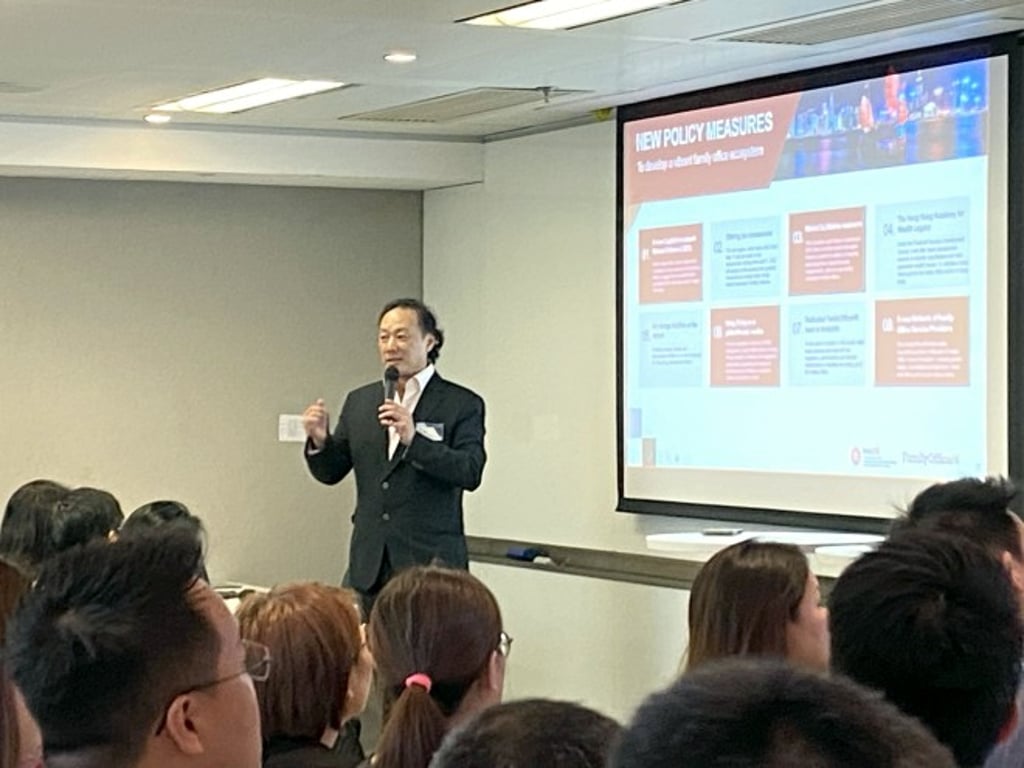
"Hong Kong provides global fund managers with access to a diverse investor base and a well-established financial infrastructure. Its role as a gateway to Mainland China is a key driver for cross-border investment, especially in sectors like technology and green finance," says Leung.
"For fund managers from Mainland China, Hong Kong offers the perfect platform to attract international capital while gaining access to global investment opportunities."
Fiona Fong, Partner in Financial Services at Deacons, explains that Hong Kong’s unified tax exemption for funds ensures that both onshore and offshore funds enjoy the same tax benefits.
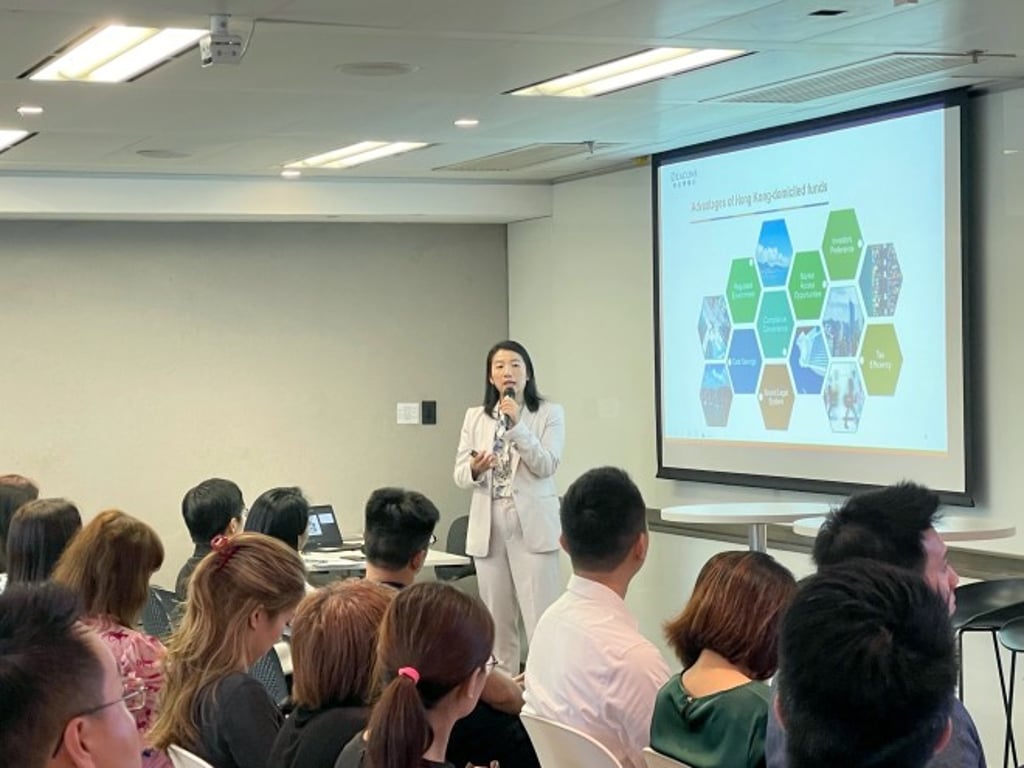
Moreover, the regulatory environment in Hong Kong provides institutional investors with a high degree of confidence, thanks to its alignment with global standards. Fund managers in Hong Kong benefit from a stable, transparent and secure regulatory framework, which is essential for attracting international capital, according to Fong.
Establishing a wealth management and family office hub
The recently revamped Capital Investment Entrant Scheme (New CIES) is bolstering Hong Kong’s appeal as a destination for international capital by encouraging high-net-worth individuals to invest in qualifying assets, including HKLPFs.
Under the New CIES, high-net-worth individuals can obtain residency together with their dependents, including spouses and unmarried children under 18, by making a minimum investment of HK$30 million in permissible investment assets.
"With the New CIES, international investors are increasingly attracted to Hong Kong’s fund structures, especially LPFs, due to the tax efficiency and regulatory clarity they provide," says Chan. "This scheme will drive greater capital inflows, reinforcing Hong Kong’s position as a global wealth management hub,” she furthers.
The ability of high-net-worth individuals to leverage LPFs for residency and wealth management while benefitting from Hong Kong’s well-established financial infrastructure makes the New CIES a powerful tool for drawing global investors, according to Chan.
As part of the city’s broader strategy to attract wealth and capital, family offices are also emerging as a major growth area within the HKLPF regime. The city’s favourable tax regime, combined with its robust legal and financial infrastructure, makes it an ideal location for global family offices to manage and grow their wealth.
Leung sees family offices as a critical part of Hong Kong’s financial ecosystem. "Hong Kong offers family offices a unique combination of investment opportunities, tax incentives, and access to a global network of financial professionals.
“The HKLPF regime simply provides the flexibility these offices need to effectively manage cross-border wealth,” says Leung.
In addition to the existing tax benefits, family offices can also leverage Hong Kong’s Cross-boundary Wealth Management Connect Scheme, which facilitates seamless investment flows between Mainland China, Hong Kong and Macau.
"The HKLPF is an attractive structure for family offices looking to tap into the Greater Bay Area and beyond," says Wang."By offering tailored solutions for wealth preservation and growth, the HKLPF regime is an ideal vehicle for family offices to diversify their portfolios."
HKLPF regime helps fund managers navigate BEPS 2.0 compliance challenges
In 2021, Hong Kong joined more than 130 jurisdictions in committing to implement BEPS 2.0, which applies the global minimum effective tax rate of 15 per cent on in-scope multinational enterprise (MNE) groups starting from 2025 onwards.
“BEPS 2.0 is reshaping how funds operate internationally. Hong Kong’s HKLPF regime provides a robust framework that ensures tax transparency while still offering clear advantages in terms of compliance and cost efficiency,” Wang notes.
Emphasising the importance of compliance, she also cautions that BEPS 2.0 has created new challenges for global fund managers. Nonetheless, the HKLPF regime offers a framework that ensures compliance with global tax standards while still providing substantial tax benefits.
Re-domiciliation regime offers tax benefits and increased efficiency
Another compelling opportunity presented by the HKLPF regime is fund re-domiciliation. Many fund managers with existing offshore funds are looking to re-domicile to the city to take advantage of its financial infrastructure and tax benefits, as well as its strategic location for managing assets within Greater China and the wider Asia-Pacific region, according to Wang. Leung adds that Hong Kong’s re-domiciliation options allow funds to navigate rising compliance challenges brought on by BEPS 2.0, making Hong Kong a strategically sound choice for fund managers looking to maintain tax efficiency while staying compliant with global regulations.
"The ability to move domiciles while maintaining regulatory compliance gives Hong Kong an edge over other financial centres,” says Leung.
"Re-domiciling to Hong Kong offers enhanced operational efficiency, simplified regulatory oversight, and better alignment with investor preferences," says Wang. "The lower registration and annual fees, along with the tax exemptions available, make Hong Kong a highly competitive option."
In 2023, the Financial Services and the Treasury Bureau (FSTB) introduced a proposal for a renewed company re-domiciliation regime. Following public consultation, the FSTB released legislative proposals earlier this year aiming for early implementation.
The new regime will further simplify administrative procedures, reduce legal expenses and shorten the timeframe for foreign companies to migrate their business to Hong Kong while maintaining their legal identity.
Unlock the full potential of HKLPF and OFC structures
Ranked among the top three in the industry, Vistra is a leading provider of essential business services that help organisations to invest and grow efficiently and compliantly across the world, with over 9,000 experts in more than 50 markets.
Leveraging its deep expertise, expansive network, and robust resources, Vistra provides comprehensive support to fund managers in launching and managing their LPFs, with end-to-end services covering fund administration, setup, tax compliance, governance and regulatory assistance.
With extensive experience in guiding funds entering the Greater China markets, including Hong Kong, Vistra empowers clients to fully capitalise on the advantages of the HKLPF and the Open-ended Fund Company (OFC) structures.
"Whether it’s through operational flexibility, cost savings or regulatory efficiency, the HKLPF regime offers fund managers the tools they need to succeed in an increasingly complex global market," says Wang.
"We’re excited to see how Hong Kong will continue to grow as a leader in the fund management space, offering unparalleled opportunities for both global and regional players."