Clinical trial of bovhyaluronidase azoximer raises hopes for patients with pulmonary sequelae of COVID-19
- A recent clinical trial focusing on bovhyaluronidase azoximer (BA) has yielded promising results as a potential treatment for long COVID pulmonary sequelae.
- The possible benefits of BA include improving patients’ pulmonary functions and exercise tolerance.

[The content of this article has been produced by our advertising partner.]
According to the World Health Organization (WHO), long COVID is a multisystem condition that develops in 10 to 20 percent of COVID-19 patients. Its symptoms include fatigue, breathlessness, and exercise intolerance.
One of the long COVID manifestations, known as pulmonary sequelae, includes restrictive lung disease, respiratory symptoms, and radiological abnormalities in the lungs that resemble pulmonary fibrosis. Pulmonary sequelae of COVID-19 can last for months and even years.
So far, WHO has not issued any clinical treatment guidelines for post-COVID pulmonary sequelae.
Nevertheless, hopes have been raised by the findings of a recent study. Titled “Bovhyaluronidase azoximer for long-term pulmonary sequelae of COVID-19: a randomised, double-blind, placebo-controlled trial,” the clinical trial concludes with findings that suggest a valuable direction for further investigation of BA in the treatment of pulmonary sequelae and potentially long COVID in general.
Hyaluronic acid (HA) is involved in the pathology of pulmonary sequelae. BA, a polymer-conjugated hyaluronidase, is the enzyme that catalyses the degradation of HA.
“The clinical trial shows promising results that BA [which has been in human use for around two decades] might be repurposed into a viable effective treatment for pulmonary sequelae,” says Prof. Sergey Avdeev, the principal investigator of the study.
He presented the key outcomes of the study at the Asian Pacific Society of Respirology 2024 conference held in November in Hong Kong.
For sufferers of post-COVID pulmonary sequelae, most physicians currently prescribe pulmonary rehabilitation or antifibrotics (nintedanib, pirfenidone), steroids, immunosuppressants, and acetylcysteine for cases of fibrotic changes in the lungs.
In general, steroids are not effective for treating pulmonary sequelae. “Antifibrotics can be effective but the side effects are numerous and frequent,” he says. “So far there have not been any large-scale randomised clinical trials for any of these treatments.”
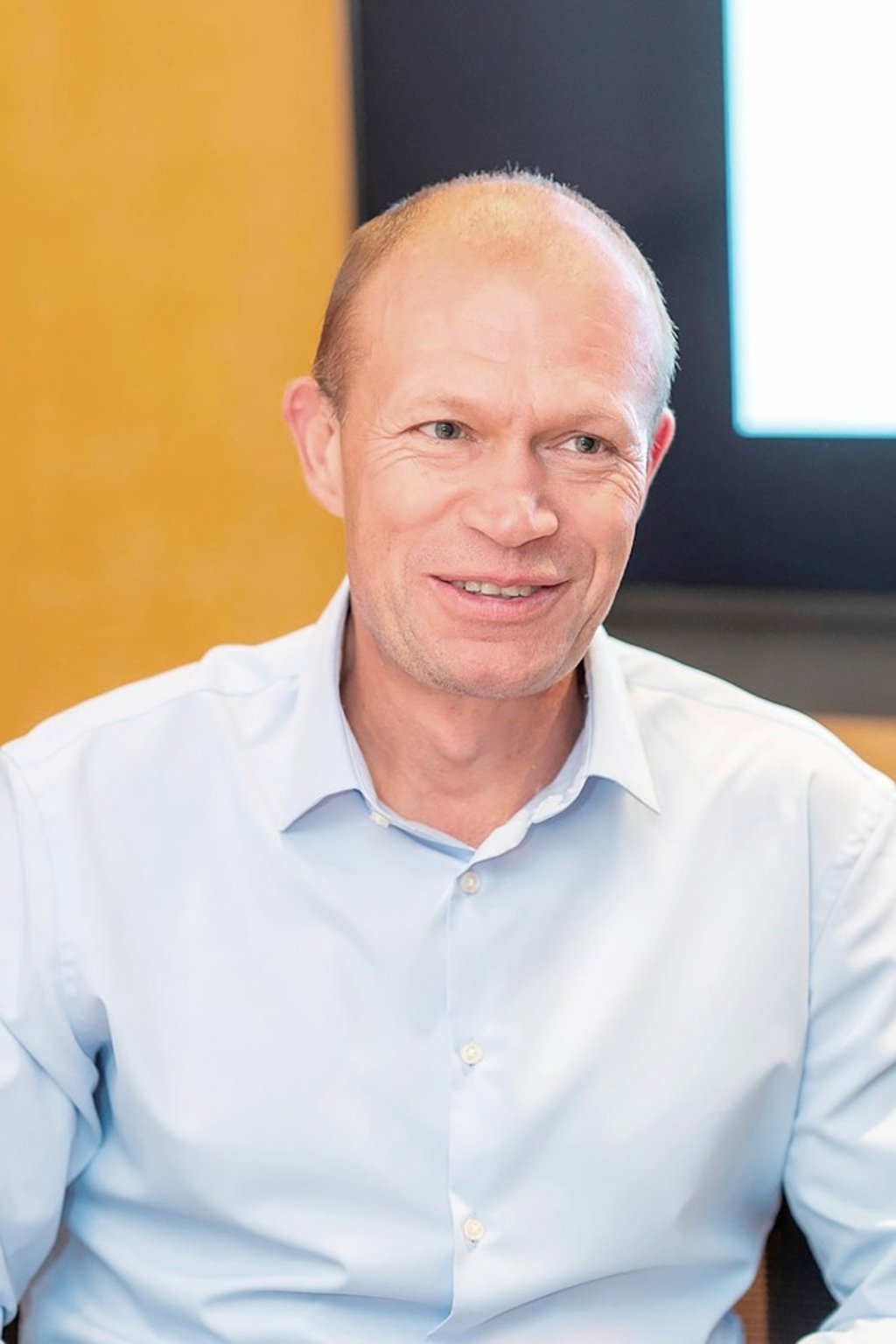
Prof. Avdeev is the Chair of the Pulmonology Department, as well as the Director of the Respiratory Medicine and Pulmonology Clinic at Sechenov University, Moscow, Russia. He also serves as the Chief Pulmonologist for the Russian Ministry of Health. His research interests include lung fibrosis, COVID-19, and other advanced lung diseases.
Pulmonary Sequelae
A recent study, which involved around 10,000 patients who have received computed tomography (CT) scans, shows that about 10 percent of the patients who were hospitalised for COVID-19 may have fibrotic-like lesions in the lungs. “It's a very high percentage,” he says. “Fibrosis seriously affects lung function. There patients need an effective treatment.”
Chronic conditions increase risk of pulmonary sequelae after COVID-19, he notes. “For example, patients with pre-existing lung diseases, such as chronic obstructive pulmonary disease (COPD), asthma, and pulmonary fibrosis, are more prone to the development of severe pulmonary lesions or severe pulmonary sequelae.”
On the whole, patients with pre-existing conditions, who contract COVID and require respiratory support, have the biggest risk of dying, Prof. Avdeev adds. “Even if these patients survive after medical intervention, they will remain in weak condition and they are prone to fibrosis.”
The Study
The goal of this study led by Prof. Avdeev was to look at the possibility of repurposing the BA to treat patients suffering from pulmonary sequelae.
The research team conducted a randomised, double-blind, placebo-controlled clinical trial to assess the efficacy and safety of BA in patients with pulmonary sequelae of COVID-19. Study included a total of 392 patients aged 18 to 80 years, with a history of COVID-19 infection within one to 12 months of the screening. Study patients had fibrotic-like changes in lungs, pulmonary function decline, dyspnoea, and decreased oxygen saturation (at rest or during exercise).
The patients were randomised 1:1 to receive injections of BA (3000U) or placebo intramuscularly every five days for 71 days. Forced vital capacity (pulmonary function metric) respiratory symptoms, and exercise tolerance indicators were assessed at baseline and on days 71 and 180.
“In this trial, we were able to show that with BA, it is possible to improve exercise tolerance in all our patients [in the BA group],” Prof Avdeev says. “It significantly reduces dyspnoea at rest and after exercise allowing them to increase their physical activity, an important improvement for long COVID sufferers.”
“In our analysis, we have found that BA led to significant improvement of pulmonary function in patients with pre-existing cardiovascular disease and those infected with earlier, more aggressive strains of COVID-19. BA was also working notably better in patients over 60 years and female patients.”
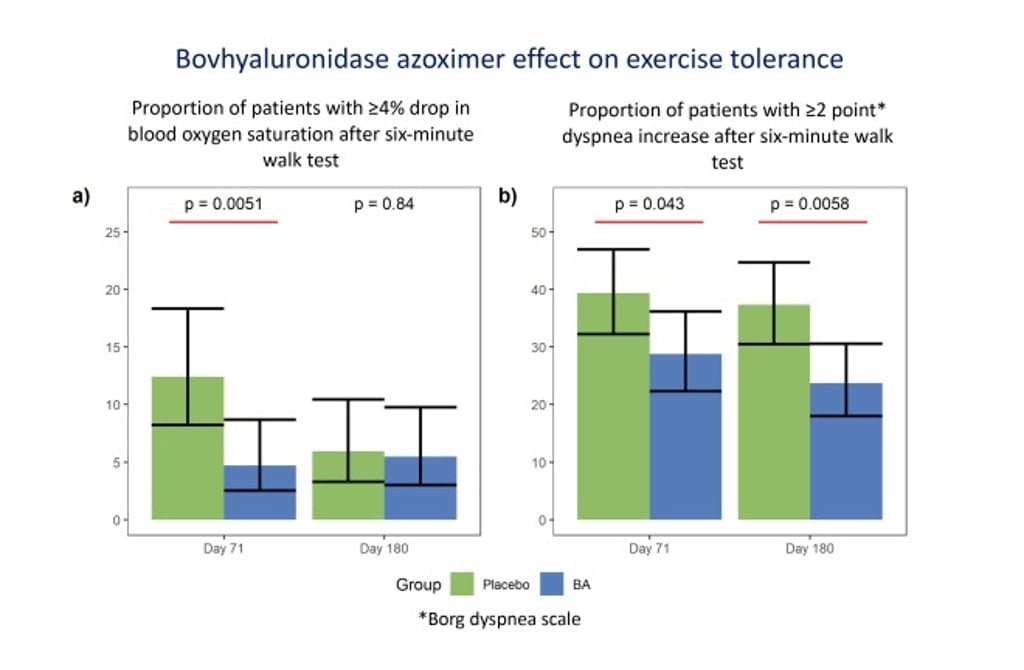
Findings of the study can also show that the treatment has a long, sustaining effect, which helps to enhance patients’ quality of life, he adds. “Benefits of the treatment were observed more than 100 days after the last injection of BA.”
Patient compliance in the study is high. Out of 392 randomised patients, the final analysis used data from 376 patients.
“In our study, we were very careful about the side effects. We registered just eight adverse events deemed related to BA. But the most important question is what the adverse effects are and how often do they force our patients to discontinue. Our data is very good. For example, in the BA group, only 2.5 percent of patients stopped their therapy [owing to adverse events] during the study.”
“The study shows very promising results. It’s not only about efficacy but also safety,” he notes.
Future
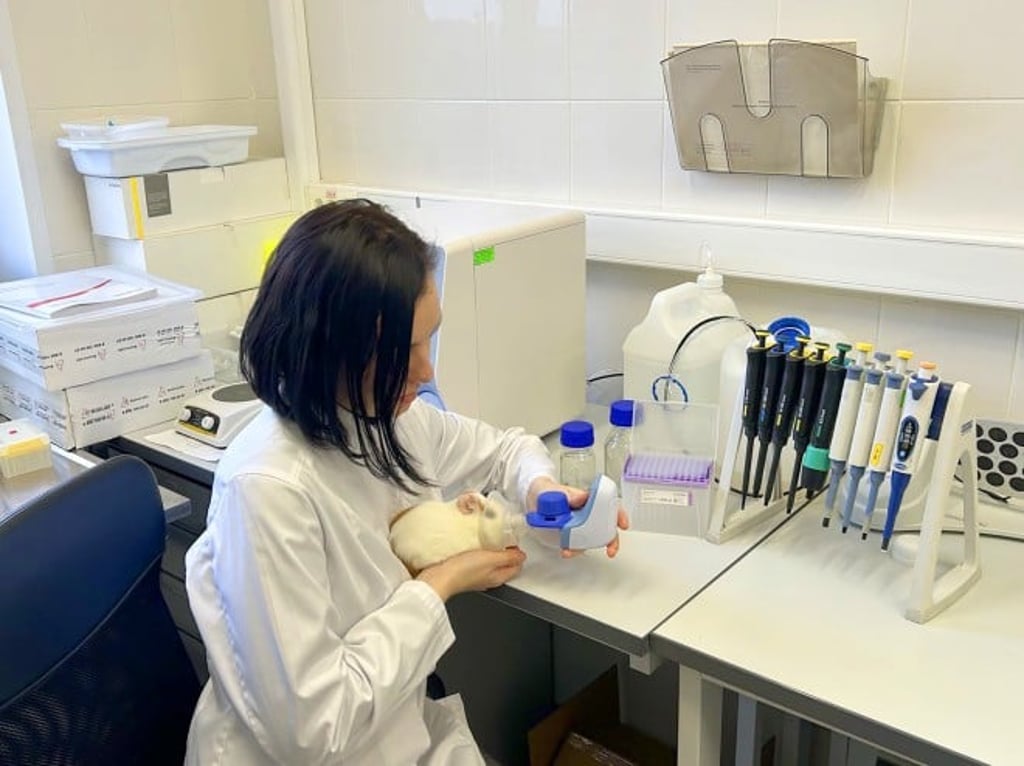
Prof. Avdeev and his team have been working on inhaler delivery of BA. Phase one clinical trial of inhaled form of BA has been completed and phase two trial of inhaled BA in idiopathic pulmonary fibrosis is slated for completion by the third quarter of 2026.
His advice for sufferers of COVID pulmonary sequelae is to keep up their physical activity and quit smoking if they are smokers.