From talk to walk: Investopia maps the HK-UAE corridor’s pathway
Burgeoning partnership between Hong Kong and the UAE offers a powerful model of strategic alignment and forward-looking commerce.

[The content of this article has been produced by our advertising partner.]
Officials and business leaders at Investopia Global’s Hong Kong forum set out a pragmatic playbook to usher in a new chapter of collaboration between Hong Kong-UAE by unlocking new financing channels, lowering barriers to dual-market access, and accelerating innovation across priority sectors in both international hubs.
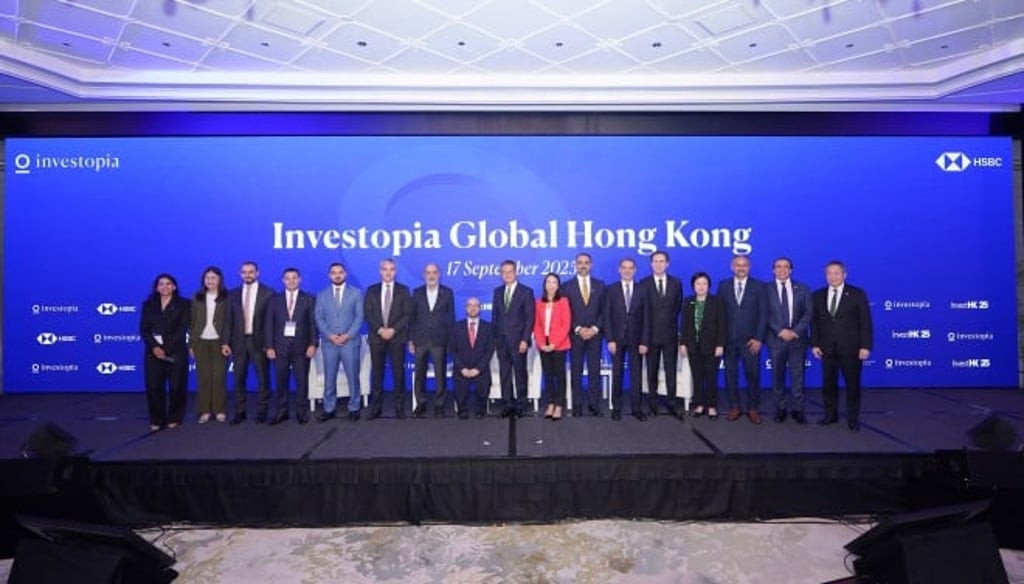
Investopia – the UAE’s investment platform and ecosystem – marked its first Greater China edition in Hong Kong in partnership with HSBC and drew a high-profile delegation from UAE ministries and agencies, exchanges and market infrastructure, sovereign investors, financial institutions and major corporates.
The UAE is Hong Kong's largest trading partner in the Middle East, while Hong Kong ranks as the UAE's seventh largest trading partner globally. A key narrative for the future of this partnership centres on Hong Kong’s pivotal role as a bridge between mainland China and the world, pairing naturally with UAE’s position as a globally connected investment hub and a leading destination for Chinese capital and innovation.
Hong Kong’s strengths in financial services, legal arbitration, and as a listing venue for equities dovetail perfectly with the UAE’s vision to transition from an oil-based economy to a knowledge-driven hub for finance, technology, and logistics.
Macro case for moving now
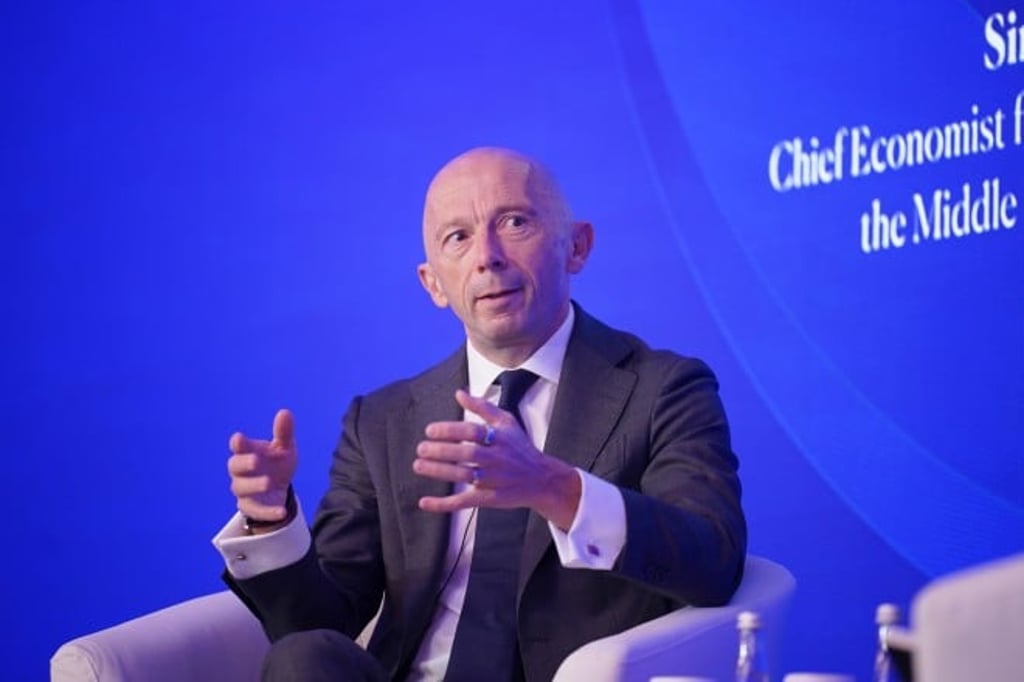
On the macro outlook, Simon Williams, Chief Economist, CEMEA, HSBC Bank Middle East and Africa, said the UAE’s rapid and sustained non-oil growth, low debt and high savings give policymakers room to manoeuvre, and today’s phase is marked by a once-in-a-generation structural shift – from labour to financial market reforms – that is drawing in capital and talent.
He also noted that the UAE’s stability has helped it attract, not deter, business, while openness, free-trade deals and deeper integration with Asia are pulling in sovereign allocations and productive FDI.
In tandem, China-Middle East trade and capital flows have climbed, with MENA-China trade now outpacing MENA-US. Sovereign funds that once tilted heavily to the US are looking more to Asia.
Mohamed Al Marzooqi, CEO, UAE, HSBC Bank Middle East, added that “the future of commerce lies in corridors, not borders”, framing the corridor as a way to turn flows of trade, capital, talent and innovation into seamless growth.
Localise, partner and build regional networks
Hong Kong and the UAE also boast thriving start-up ecosystems, where cross-border ambitions are turning into tangible results.
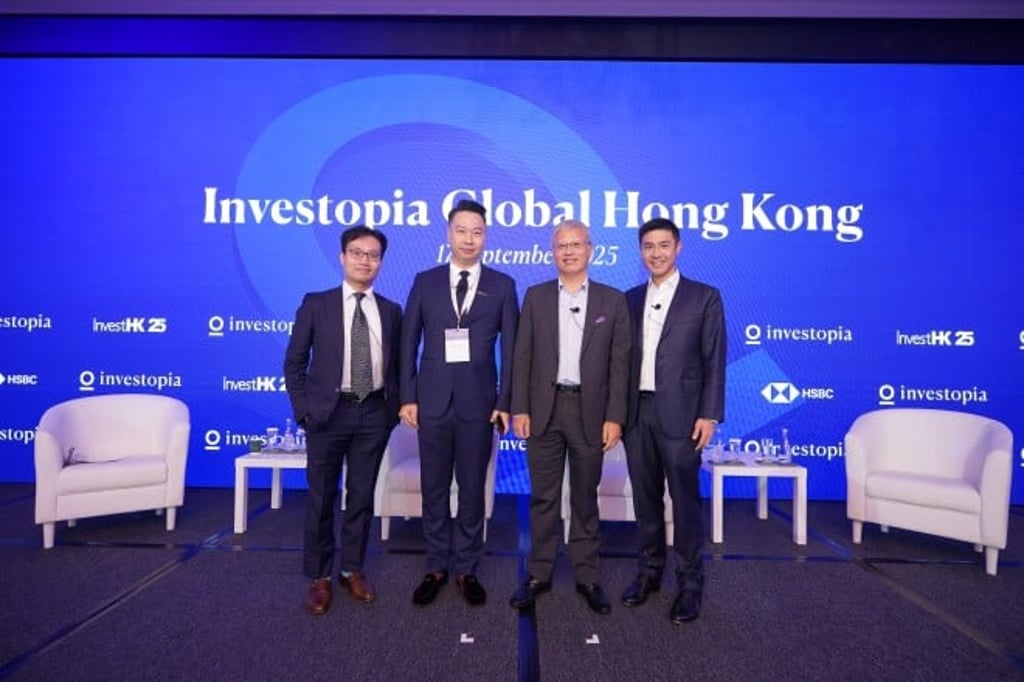
Alvin Kwock, Co-Founder & CEO of AIFT, described the UAE as a practical operating base for Hong Kong start-ups to expand into Egypt, Central Asia and Europe, arguing that regional reach is amplified when teams hire locally and build permanent capabilities on the ground.
He set out a localisation model anchored in regulatory partnership, including work with Dubai Insurance and approval from the UAE central bank for custodial-wallet insurance, to show how fintechs can plug into the system rather than work around it.
Michael Zhao, founder and CEO of Klickl, which specialises in Web 3.0 banking and virtual-asset management, said clear, collaborative regulation in the UAE makes it easier to set up and build real business across Dubai and Abu Dhabi, particularly for cross-border payments, and that regulatory transparency has helped his team ride out volatility and scale up.
MRF arrangement sets the pace for mutual market access
Several heavyweight speakers, including Paul Chan, Hong Kong’s Financial Secretary, highlighted ETFs and fund distribution as near-term ways to open up two-way investing before tackling trickier dual listings or a full “Connect” scheme.
“For many investors, entering a new market through this kind of passive collective investment will feel more comfortable since the risks are relatively more spread out,” Chan said.
In a parallel development, HKEX and Abu Dhabi Securities Exchange (ADX) signed an MoU to to explore initiatives such as cross-listings of ETFs, companies, and environment, social, and governance-related (ESG) products.
Meanwhile, Hong Kong’s Securities and Futures Commission (SFC) and the UAE’s Securities and Commodities Authority (SCA) agreed a Mutual Recognition of Funds arrangement that will allow eligible public funds to be offered in each other’s markets through a streamlined process.
It is Hong Kong’s first with a Middle East market and the UAE’s first with a jurisdiction outside the region, opening new distribution channels for asset managers and investors and lowering barriers to dual market access.
HSBC has been connecting Asia and the Middle East for over 150 years, supporting its clients’ growth ambitions across this fast-growing corridor where strong demographics combine with large scale capital spending on infrastructure and further diversification.’