Natural diamonds make a dazzling renaissance
Industry goes big on emotion, identity and cultural legacy to drive global desire and demand

[The content of this article has been produced by our advertising partner.]
When Taylor Swift debuted her eight-carat, vintage-style engagement ring in August, global interest in natural diamonds reignited. From Lauren Sánchez’s 30-carat pink gem to Georgina Rodríguez’s equally showstopping sparkler, celebrity engagement rings are once again fuelling consumer desire.
Beyond the headlines, De Beers Group is leading a strategic repositioning. Lynn Serfaty, General Manager of Natural Diamonds, Category Marketing, is driving efforts to expand relevance. “We’re seeing a diversification in demand,” she said at De Beers’ “Show and Tell” presentation during Jewellery & Gem World Hong Kong in September. “Natural diamonds are no longer just about weddings—they’re about self-reward, empowerment, gifting, and investment.”
Meaning over material
De Beers’ latest consumer research shows emotional symbolism, design aesthetics, and celebrity influence now outweigh traditional factors like value retention. “Consumers are shifting from material value to meaning-driven value,” says Serfaty. “They want diamonds that reflect their identity, their story.”
This shift spans generations. Gen Z “Emerging Self-Rewarders” favour fancy cuts and bold colour contrasts. “Wedding-Driven Buyers” in their thirties mark milestones beyond engagements. Millennials, or “Quality-Pursuing Stalwarts”, seek uniqueness and refinement, while older “Value Inheritors” view diamonds as inflation-resistant heirlooms.
In China, De Beers’ Diamond Acquisition Study 2025 found natural diamonds are widely seen as symbols of love, individuality, enduring value and personal pride. While awareness of lab-grown diamonds (LGDs) has grown, desirability remains limited. Most LGD buyers are new to the category and tend to have lower incomes. Natural diamonds continue to hold the emotional and symbolic high ground.
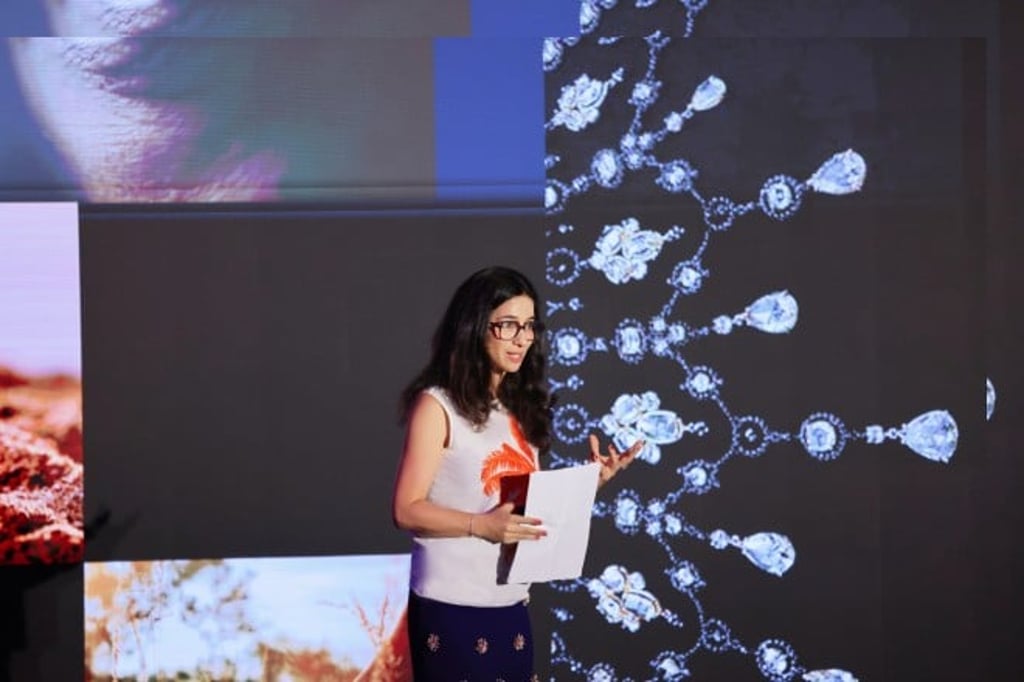
This legacy resonates with young Chinese women seeking empowerment and self-love. “The diamond—formed by fire, pressure and time—mirrors their own journey. Each stone is unique, just like each person.” In a culture where nature is art and legacy is identity, De Beers positions diamonds as cultural artefacts—essential to enduring relevance.
Diamonds move beyond bridal
While bridal remains a cornerstone, De Beers is broadening its narrative to champion self-purchase and personal empowerment. “Marriage and fertility rates in China are not at their peak,” notes Serfaty. “We need to speak to individuals at every life stage.”
This shift reflects a move away from transient fashion spending toward timeless luxury. “Diamonds offer longevity, beauty, and heritage—qualities that resonate deeply today.”
Serfaty draws on sociologist Georg Simmel’s insight: while fashion fades, jewellery endures—unchanged for generations, even a thousand years.
Luxury faces new forces of change
The natural diamond industry is navigating economic uncertainty and more cautious luxury spending. Consumers are reassessing priorities, placing greater value on experiences, sustainability, ethical sourcing and minimalist aesthetics.
Meanwhile, competition from lab-grown diamond jewellery continues to rise, blurring understanding around value and authenticity. “These shifts demand more than marketing,” says Serfaty. “We haven’t been out there communicating new stories about natural diamonds for some time.” Restoring long-term demand will require transparency, innovation and cultural relevance.
The diamond experience awakens the senses
That renewed storytelling begins October 15–19 at Frieze Masters 2025 in London where De Beers Group will spotlight the emotional and sensory power of diamonds to an international audience. “When you hold a diamond, something extraordinary happens,” says Serfaty. “There’s a joy in how light moves through it. We call it the ‘diamond experience.’”
To bring this to life, De Beers is launching Voyage Through the Diamond Realm, an immersive installation crafted by artisans from Botswana, Paris and London. Visitors will journey through the life of a diamond via sound, visuals and music. The experience will travel to Los Angeles and China in 2026, amplified globally through social media and digital platforms.
Defend corrects misconceptions and highlights ESG impact through the Building Forever sustainability platform; Differentiate emphasises storytelling and traceability; Desire drives cultural relevance via Gen Z insights, social media and influencer collaborations. By embedding diamonds in heritage and design conversations, De Beers connects emotion, ethics and innovation to reignite demand.
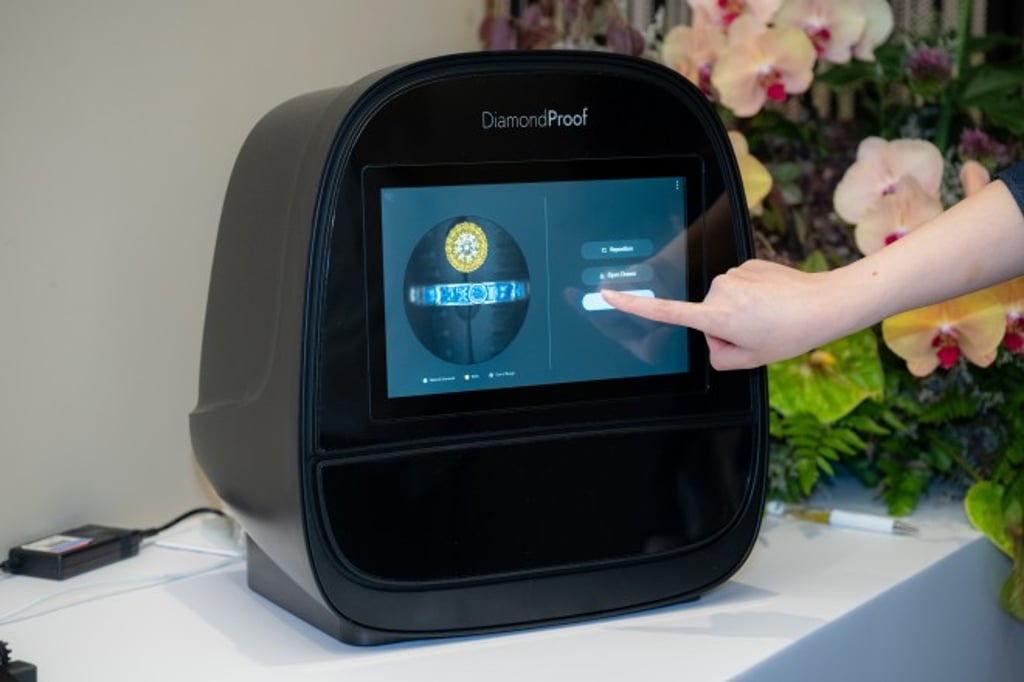
Technological tools like DiamondProof, developed by De Beers’ Science & Technology team for retailers, offer instant authentication, reinforcing trust and distinguishing natural from lab-grown stones. The strategy positions diamonds as meaningful, modern and enduring—fuelling long-term growth across markets.
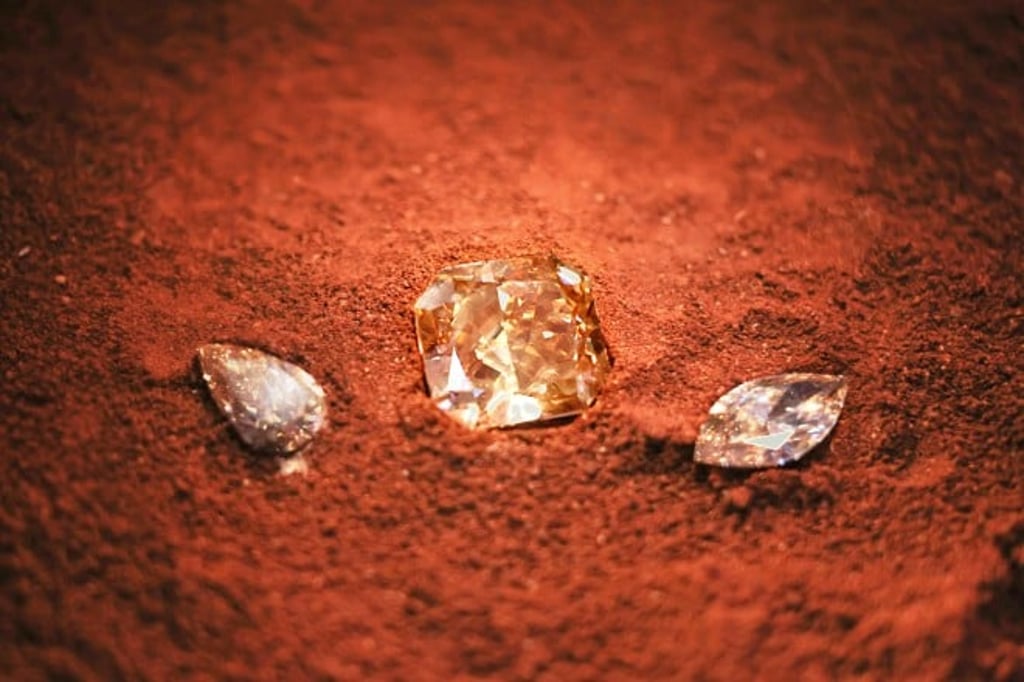
Strategically timed to engage younger, trend-driven audiences and those seeking natural diamonds for daily wear, the launch begins in the US this October, with a China and global rollout planned for 2026.
Serfaty points to Taylor Swift’s engagement ring as a cultural moment: “The interesting thing is, she was presenting a Desert Diamond. It was an antique cut, but the colour was K, one of the shades we’ve been showcasing. You see how important individuality has become. People want to express something personal. They’re moving away from what feels too standardised.”
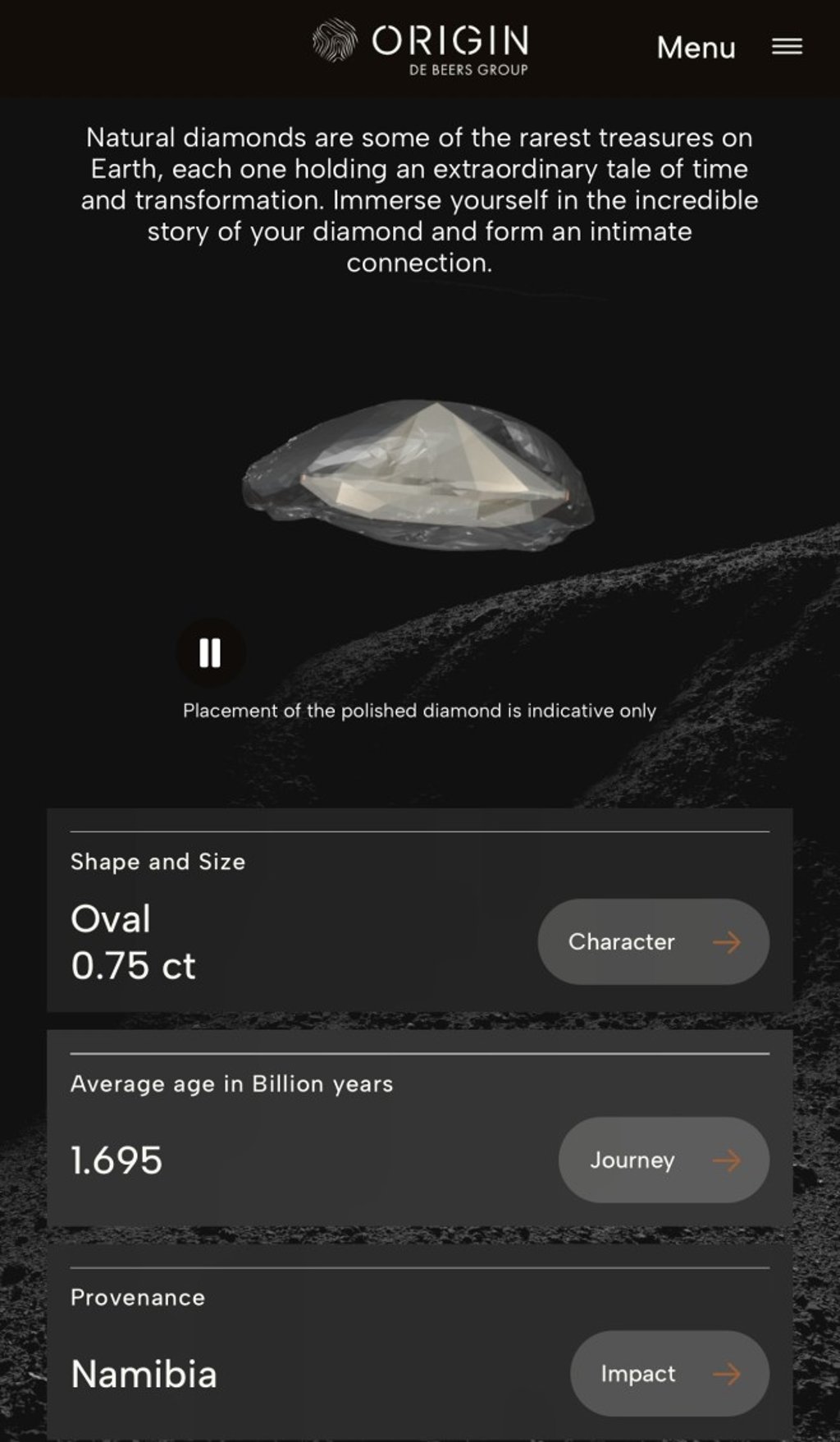
Together, Desert Diamonds and Origin mark a new chapter for De Beers—where product, purpose and emotion converge to redefine relevance for a new generation.