CUHK Business School sounds clarion call to beat plastic pollution
- CUHK Business School champions sustainable business practices, leading the charge against plastic pollution
- Professor Sean Zhou Xiang, internationally recognised for his sustainable operations research, links profit generation with plastic reduction efforts

[The content of this article has been produced by our advertising partner.]
Over 170 nations vowed at the United Nations Environment Assembly in March 2022 to establish a legally and globally binding treaty by 2024 directed at plastic pollution control. As negotiations draw to a climax in Busan, South Korea, in November, there is a chance for environmental restoration through comprehensive management of plastic’s lifecycle.
Challenges of plastic recycling and “waste colonialism” in SE Asia
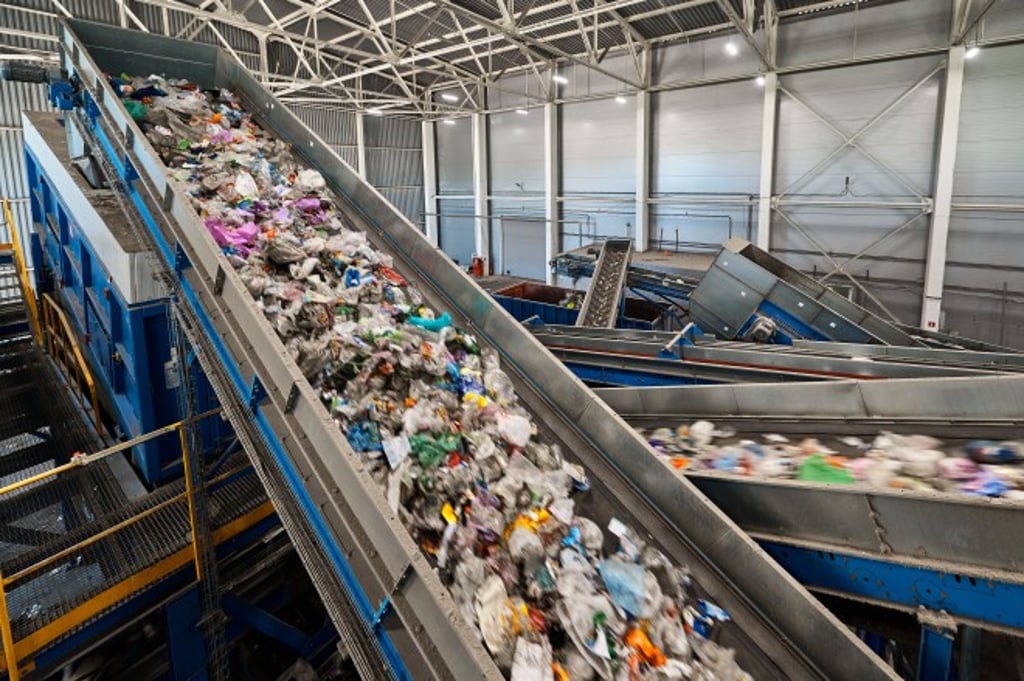
The recycling of plastic is burdened with issues, chiefly due to the multitude of plastic types and the economics favouring cheaper virgin rather than more costly recycled materials.
This disparity stagnates the recycling industry’s growth and underpins a throw-away culture where plastic ends up tainting landfills or the ocean. Compounding this issue is “waste colonialism”. Developed countries ship their plastic refuse to low-income counterparts lacking the means and infrastructure for proper disposal. These recipients often opt for incineration or dumping in landfills and waterways, contributing significantly to marine pollution.
“Waste colonialism” is particularly acute in Southeast Asia, in countries like the Philippines, Malaysia, Indonesia, Myanmar, Vietnam, and Thailand. In 2021, these nations rank among the top ten in oceanic plastic waste, as per global indices, alarmingly accounting for over half of the world’s marine plastic debris.
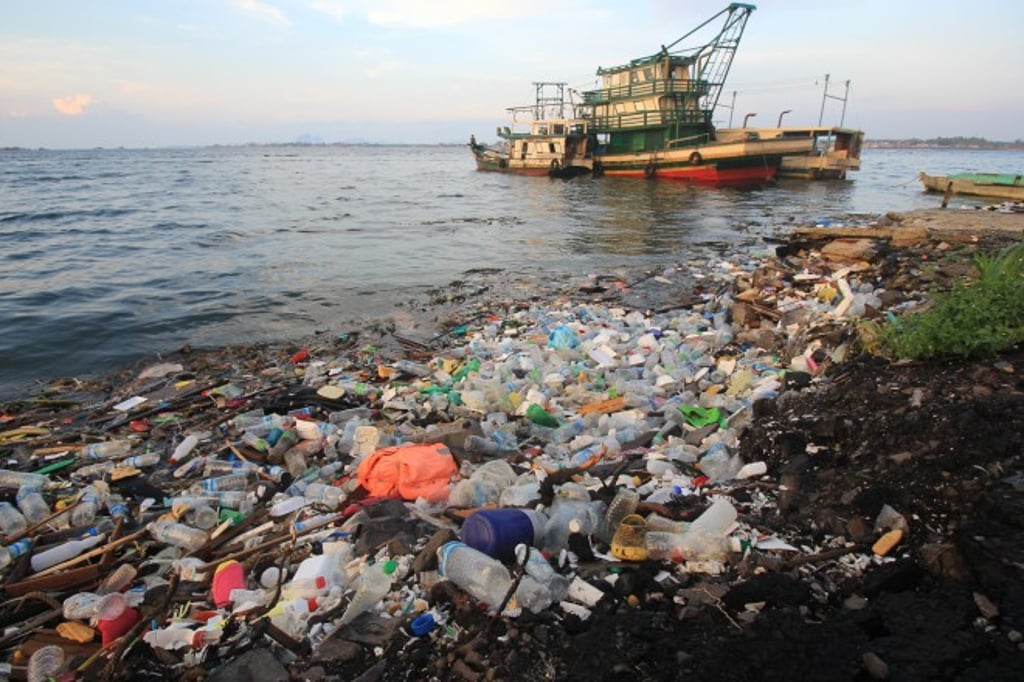
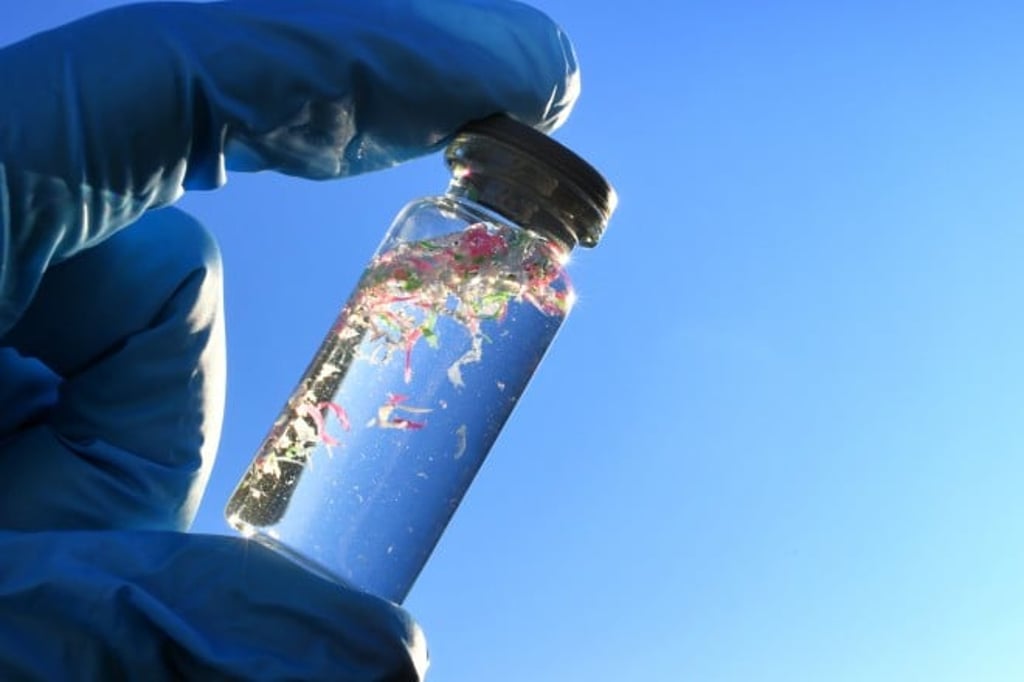
This crisis affects the marine environment and poses a broader threat to global health as microplastics enter the marine and human food chains. The dire situation underscores the urgent need for coordinated, international efforts to address the profound challenges plastic waste poses.
Innovative solutions and green enterprises
The study focused on two key concepts: “plastic offsets” and “social plastic”. Plastic offsets aim to mitigate unavoidable plastic use, akin to carbon offsets. In contrast, social plastic entails ethically sourced, recycled material that provides an eco-friendly option for businesses, albeit at a higher cost.
Professor Zhou’s analysis reveals these models’ economic and environmental advantages, particularly a hybrid approach that combines the sale of plastic offsets and social plastic. This method significantly enhances recycling rates and profitability, paving the way for a sustainable recycling ecosystem that increases recycling volumes and supports waste collectors in developing regions, ultimately enabling companies to achieve a triple bottom line.
Advocating for “additionality” in plastic sustainability
However, despite numerous initiatives, greenwashing and a lack of tangible results often hinder the path to genuine plastic sustainability, eroding public and investor trust despite years of ESG advocacy.
To combat this, Professor Zhou examines the concept of “additionality” in plastic offsetting as a crucial methodology for ensuring business-led sustainability efforts lead to real, measurable environmental improvements. This market-driven approach, inspired by similar principles in carbon trading, helps validate that interventions provide genuine ecological benefits beyond what would have occurred otherwise.
Despite the challenges and costs associated with verifying “additionality”, this principle is essential for establishing a credible and trustworthy plastic offset market. Professor Zhou advocates for operational models that integrate “additionality”, urging for circular recycling and green projects that not only prioritise traceability and accountability but also generate net-positive impacts and foster true environmental value. He suggests that combining the sale of plastic offsets with social plastic can mitigate the potential cost from additionality, making a compelling case for hybrid models that balance sustainability with economic viability.
Paving the way for future environmental leadership
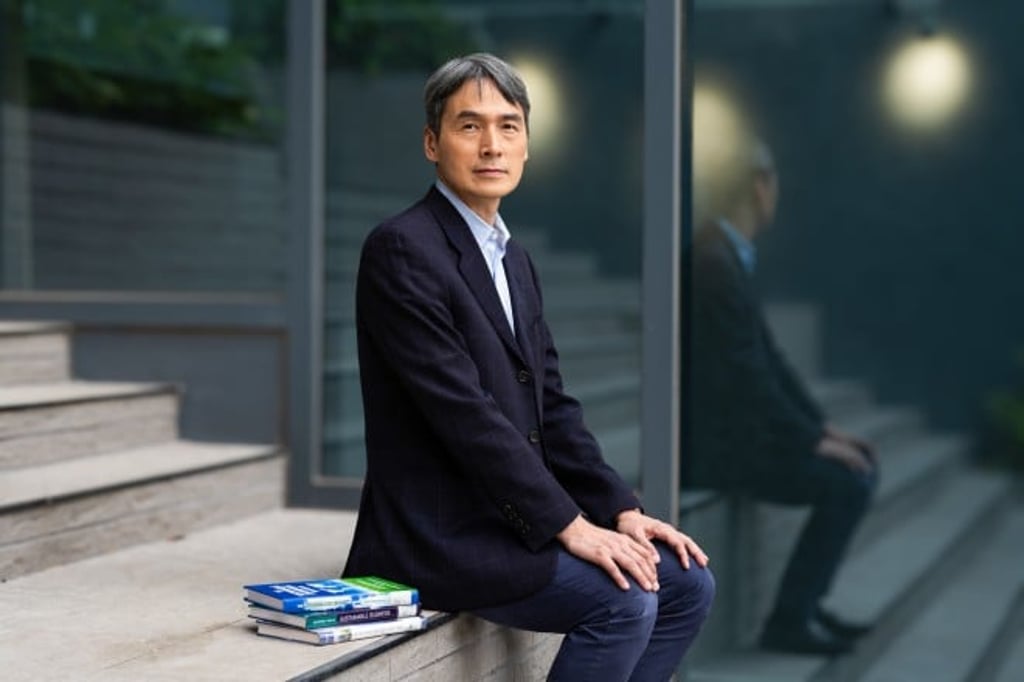
Through his teaching, research and thought leadership, Professor Zhou is fostering a generation of future leaders who are well-informed and proactive about global business and environmental stewardship. His innovative approach seamlessly combines academic rigour with real-world applications, upholding CUHK Business School’s dedication to addressing both pressing business and societal challenges.