Rediscovering the Silk Road: New Air Freight Route from China to Europe via Tashkent, Uzbekistan

[The content of this article has been produced by our advertising partner.]
Supply chains connecting Asia and Europe face mounting challenges. Businesses grapple with disrupted logistics caused by geopolitical tensions, capacity constraints, longer shipping routes, and rising transportation costs. Against this backdrop, CargoPoint, the freight forwarder headquartered in Tashkent, Uzbekistan, have launched a new air product connecting China to Europe via Tashkent. As global trade seeks robust and agile supply chains, this new transit corridor aims to streamline cargo movement between Asia and Europe, providing businesses with faster transit times, reliable capacity and a welcome alternative to bottlenecked routes in other regions.
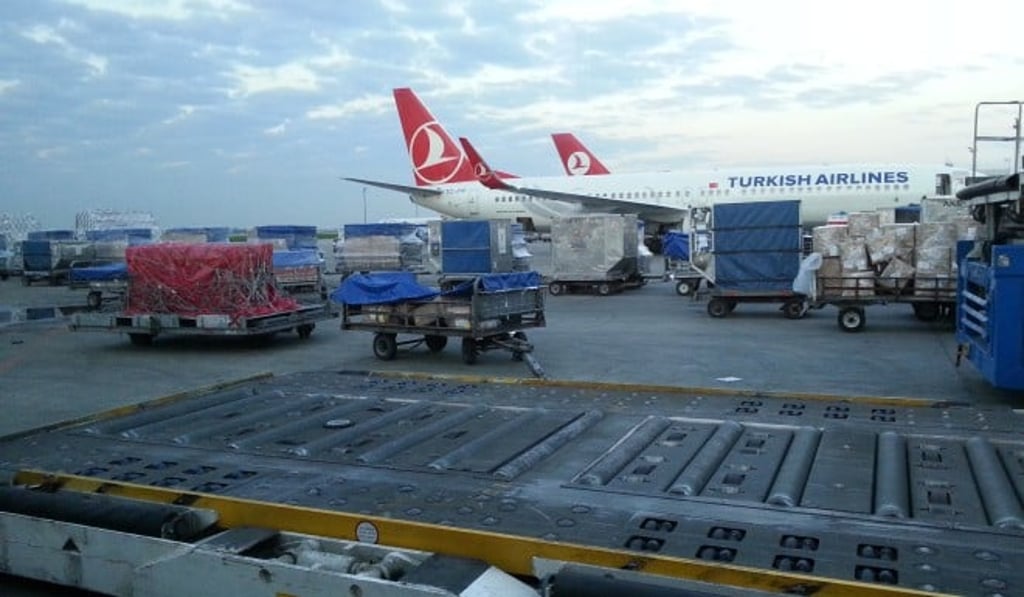
Uzbekistan, with Tashkent at the heart of this route, capitalises on its strategic geographical position. This new air corridor allows companies to bypass complex geopolitical bottlenecks, such as Russian airspace closure, tensions in the Red Sea and the broader Middle East, shortening delivery times for European and Asian businesses.
CargoPoint, along with its strategic partner Turkish Cargo, is playing a crucial role in shaping this new logistics landscape. Turkish Cargo operates about 25 flights per week, with two daily widebody aircraft, making it the largest capacity provider connecting Tashkent airport to Istanbul and beyond.
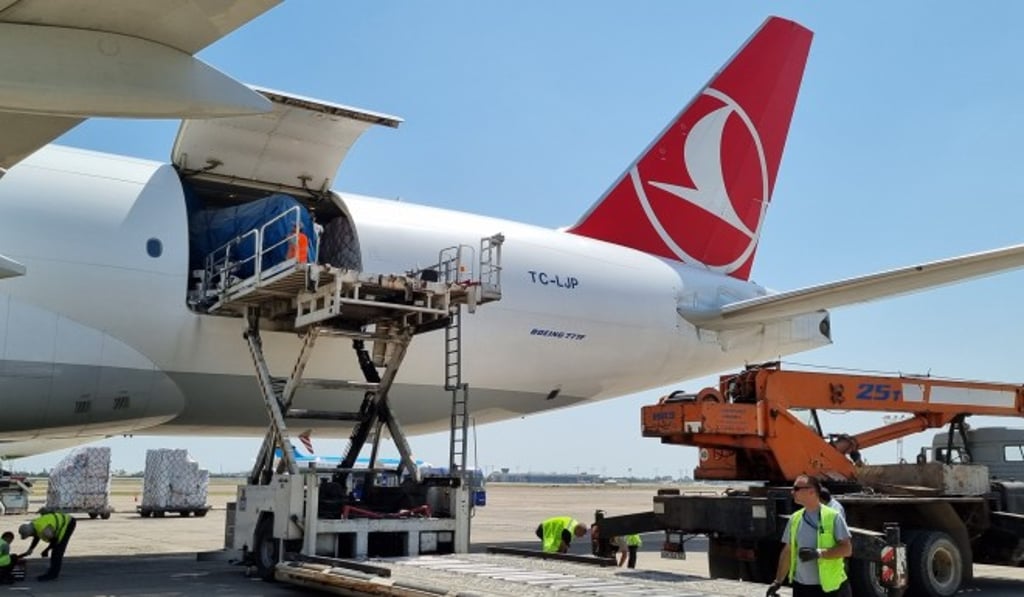
As the Number 1 agent for Turkish Cargo in Uzbekistan and one of the top three cargo agents for Uzbekistan Airways, CargoPoint ensures seamless handling of air cargo transit and reliable capacity management. Through strategic partnerships and innovative solutions, CargoPoint aims to solidify Uzbekistan’s position as a regional logistics hub, supporting the smooth and efficient transit of high-value and time-sensitive goods across continents. As Mr. Mirzali Mirusmonov, Director for Business Development at CargoPoint puts it, "CargoPoint has pioneered transformative changes in Uzbekistan's air cargo transit, collaborating closely with customs and airport authorities to implement new policies that streamline procedures, eliminate bottlenecks, and ensure the smooth, efficient flow of goods through Tashkent."
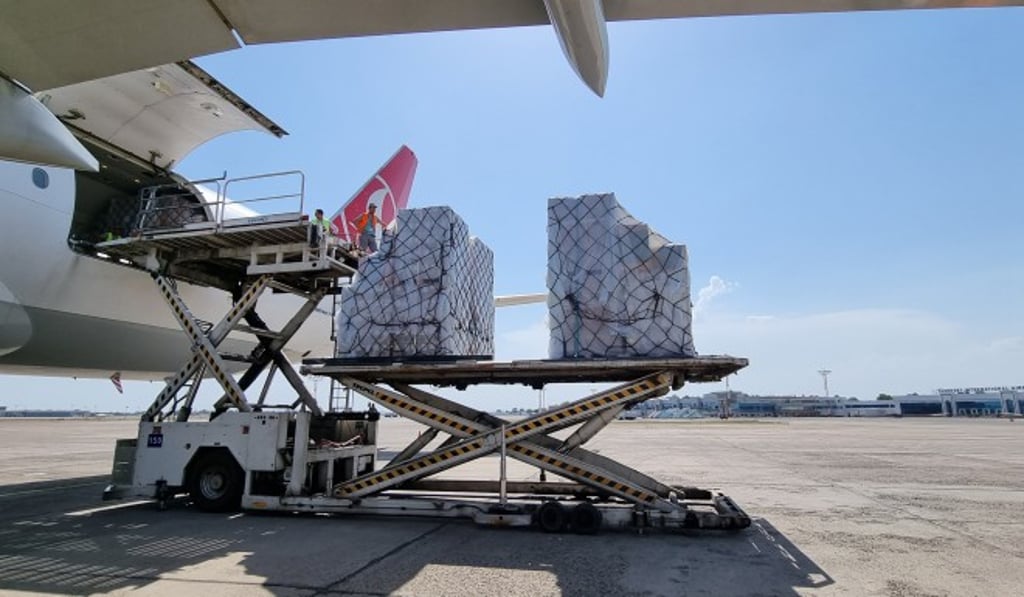
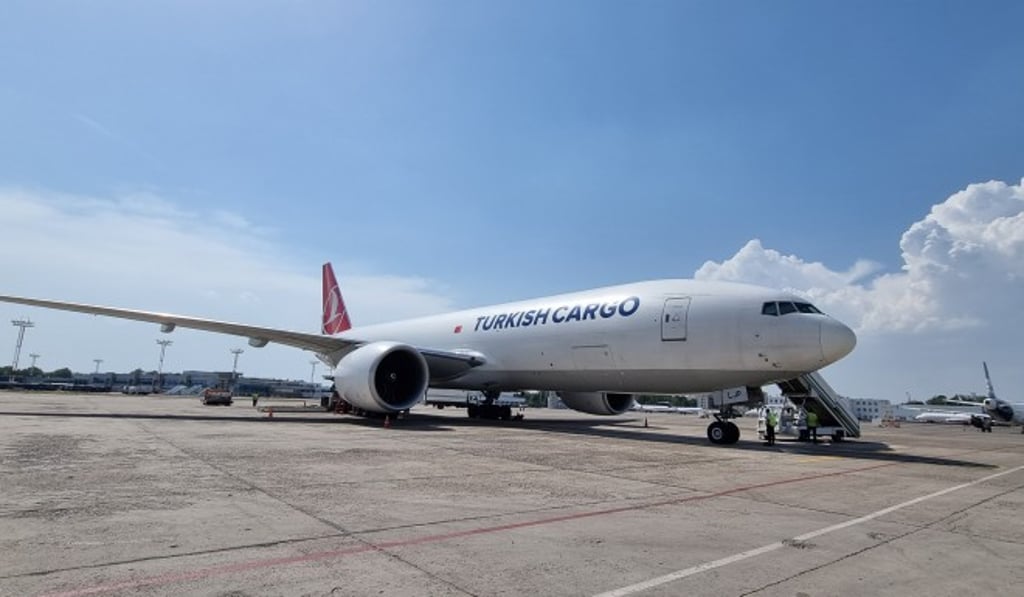
CargoPoint CEO, Mr. Bahtiyar Nomozbaev, shares: "Since pioneering this air cargo transit project through Tashkent, CargoPoint has managed nearly 2,000 metric tons of air-to-air and truck-to-air cargo between China and Europe, in addition to significant volumes originating from other Southeast Asian countries, including Vietnam, Thailand, and Bangladesh."
The outlook for 2025 and beyond suggests continuous growth in air cargo demand, with freight forwarders increasingly relying on emerging transit hubs such as Tashkent. This route promises to enhance the efficiency of supply chains, enabling businesses to meet rising consumer expectations in Asian and European markets.