Hong Kong’s Longevity Paradox
As Hong Kong’s population ages, Manulife is calling for a broader conversation about healthspan, retirement readiness and quality of life

[The content of this article has been produced by our advertising partner.]
That reality is becoming increasingly apparent across ageing societies, where longer lives are bringing fresh questions about healthcare, financial resilience and quality of life.
Medical advances have helped people survive diseases that once proved fatal, while retirement periods are stretching into decades, not just years. At the same time, chronic illness, mental health concerns and rising living costs have left many people uncertain about how prepared they are for longer lives.
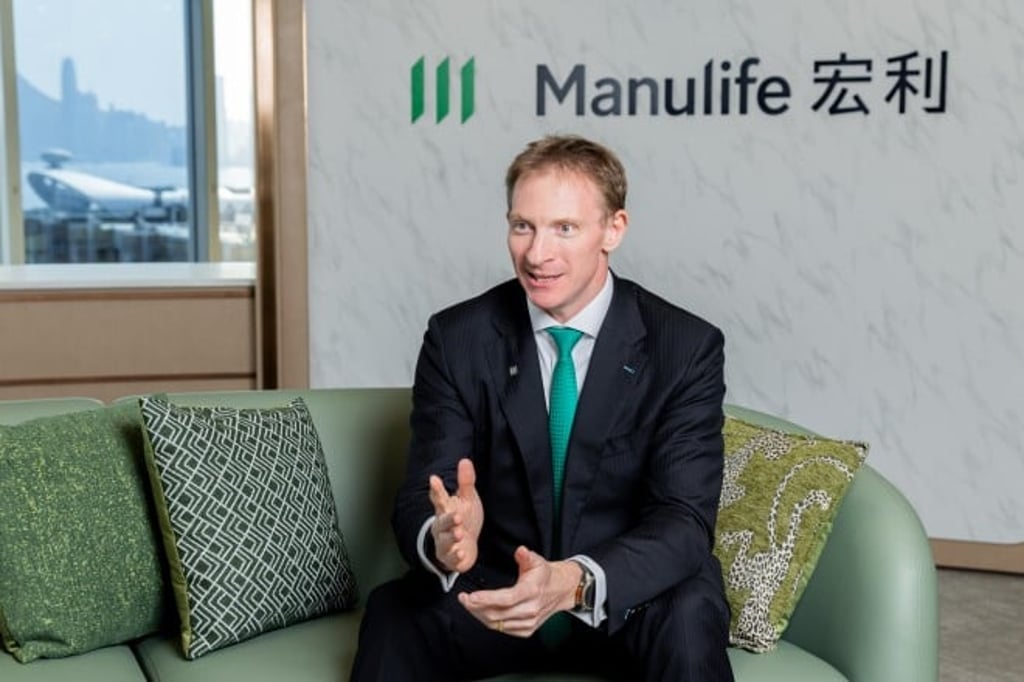
Perhaps nowhere is that distinction more apparent than in Hong Kong, where residents are living longer while dealing with rising costs of living and growing concerns over retirement readiness. Family structures have also changed rapidly, leaving fewer adult children available to care for ageing parents.
“Hong Kong is among the world’s longest-living places, yet healthy years are not keeping pace,” Graham said. “People are increasingly thinking about longevity through the lens of quality of life, independence and purpose, rather than simply living longer.”
The widening healthspan gap
Chronic conditions such as diabetes, hypertension and high cholesterol have risen steadily in recent years, driven in part by sedentary lifestyles, inadequate sleep and poor dietary habits. Mental health concerns have also become more openly discussed following years of pandemic disruption, economic uncertainty and social isolation.
Research by local universities and public health bodies has also pointed to mounting emotional strain across Hong Kong. Public hospitals continue to face growing demand from an ageing population, with Hong Kong’s Health Bureau recently warning that healthcare expenditure is likely to rise steadily in the years ahead as older residents rely heavily on public medical services.
Hong Kong's healthcare system has contributed to some of the world's longest life expectancies. But with longer lives come new challenges, particularly around healthcare affordability, retirement readiness and the ability to remain healthy and independent in later life.
“The real issue is the healthspan-lifespan gap,” said Graham. “People are living longer, but too many of those extra years are spent managing health issues, financial strain or loss of financial and physical independence.”
That gap is beginning to influence how the insurance industry presents itself. Traditional models centred largely on payouts after illness or retirement no longer appear sufficient in societies where customers expect support much earlier in life. Insurers have increasingly moved into preventive healthcare, wellness programmes and digital monitoring tools in an attempt to remain relevant to younger consumers.
“Longevity only works when physical health, mental wellbeing and financial resilience move together,” said Graham. “These areas cannot be treated separately.”
Technology and preventive healthcare
In Hong Kong, this can already be seen in the growing use of preventive health technologies and personalised medical screening. Data analytics and AI are also being drawn into the sector, promising earlier detection of illness and more tailored financial planning.
“People aren’t unprepared because they don’t care. They’re unprepared because longevity feels complex.”
Longevity as a societal challenge
Graham argued that the challenge reaches well outside insurance, with ageing populations expected to place growing strain on pension systems and healthcare spending across Asia. Public health specialists have also questioned whether societies built around intense working hours are prepared for citizens who may live into their nineties or beyond.
“There is no single organisation that can solve longevity alone. It requires healthcare providers, businesses, community organisations and policymakers to work together.”
There is also a need to ensure that the benefits of longer lives are broadly accessible. Access to preventive healthcare, financial planning and support services will play an increasingly important role in helping people maintain their health, independence and financial resilience over time.
Hong Kong’s experience may offer an early glimpse of pressures other cities will soon confront. The territory combines exceptional longevity with some of the world’s highest property prices and longest working hours, a combination that can quickly place quality of life under pressure.
“Longevity has reached a tipping point. Demographics are changing rapidly, healthcare systems are under growing pressure, and technology is changing the way people think about life planning,” he said.
Manulife Longevity Insight Forum
Date: 22 June 2026 (Monday)
Venue: Regent Hotel
Event Highlights:
Panel Discussions:
- The Future of Living Well: Insights from Health, Wealth & Social
- Silver Economy and Consumer Power
- Beyond Healthcare: Building Ecosystems for Healthy Longevity
- Independence is the New Inheritance: Redefining Security in Asia’s Age of Longevity
Remarks: “Manulife” refers to Manulife (International) Limited.