How Singapore’s deep-tech biomedical start-ups are growing rapidly – and helping to change the world
- Innovation helps E3A Healthcare cut cost of a key jaundice monitoring device component by over 100 times
- Biotech start-up Wasna creates animal-free growth serum so cultivated meat can be just as affordable as regular meat

[Sponsored article]
Some other founders might christen their start-ups with catchy single-word names, but Shawn Li chose to name his biomedical firm after the building where he gained his doctorate – at the National University of Singapore (NUS) bioengineering campus.
The idea for the business was born amid Li’s graduate research into optoelectronics, which led him to discover a global need for an affordable, easy-to-use device to monitor infants for jaundice – a condition where a baby’s blood contains too much of the chemical bilirubin.
Jaundice, which causes yellow discolouration of the skin and eyes, affects over 80 per cent of all Asian and African newborns. It can result in death, or severe neural damage and lifelong disabilities if not properly treated.
To detect jaundice, parents have to either bring their infant to the hospital frequently for testing, or buy home monitoring products that can cost up to US$10,000. Because of the prices involved, many people in low and middle-income countries lack access to jaundice testing.
To address this, Li and his fellow NUS bioengineering PhD graduate Rishav Shrestha, E3A’s chief technology officer, used their optoelectronics experience to cut the cost of a key jaundice monitoring device component by over 100 times, without compromising accuracy.
Three years later, the pair launched their affordable bilirubin meter on the market, and now supply it to over 120 hospitals and clinics worldwide through distributors in China, Southeast Asia, India and Africa. Families with newborns can also rent the device for US$70 a month.
To date, the device has been used to monitor jaundice in more than 500,000 babies worldwide. Beyond simply checking for the condition, it can also be paired with an app that offers integration with hospital systems, and lets users access telemedicine consultations.
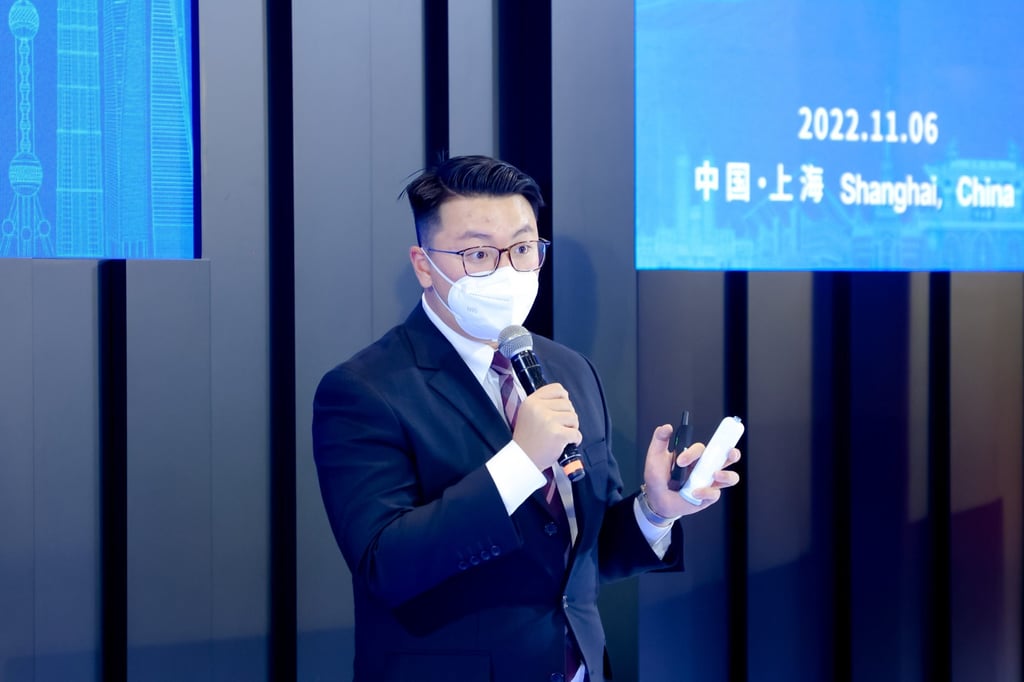
“We have shattered the cost barrier that prevented the wide-range deployment of jaundice monitoring devices,” Harry Chen, E3A’s partner and chief marketing officer, says.
On top of raising over US$3 million in venture capital from investors and receiving support from organisations including Enterprise Singapore, E3A recently emerged as one of the winners of SLINGSHOT 2022, known as Asia’s most exciting deep-tech competition, held during the Singapore Week of Innovation and Technology (SWITCH).
Moving forward, the start-up is eyeing a US$5 million Series A round of financing, says Chen, adding: “We hope to begin our IPO [initial public offering] process at SGX [Singapore’s stock exchange] or Nasdaq in 2026.”
Diving deep into deep-tech
E3A is just one of many start-ups flourishing in Singapore’s bustling deep-tech scene. Key deep-tech industries include biotechnology, artificial intelligence, advanced manufacturing and blockchain.
The republic’s favourable business conditions, which include steadfast investments in scientific discoveries and engineering innovation, are seeing many local and international players opt to achieve maturity there.
“Singapore is a nexus of a few things: there’s great early-stage capital for start-ups, support from the government, good local talent, and access to the Southeast Asian market,” Peptobiotics founder Jonathan Bester said in a recent Channel NewsAsia interview.
His biotechnology start-up, which is creating an alternative to livestock antibiotics, was among the winners at SLINGSHOT 2022.
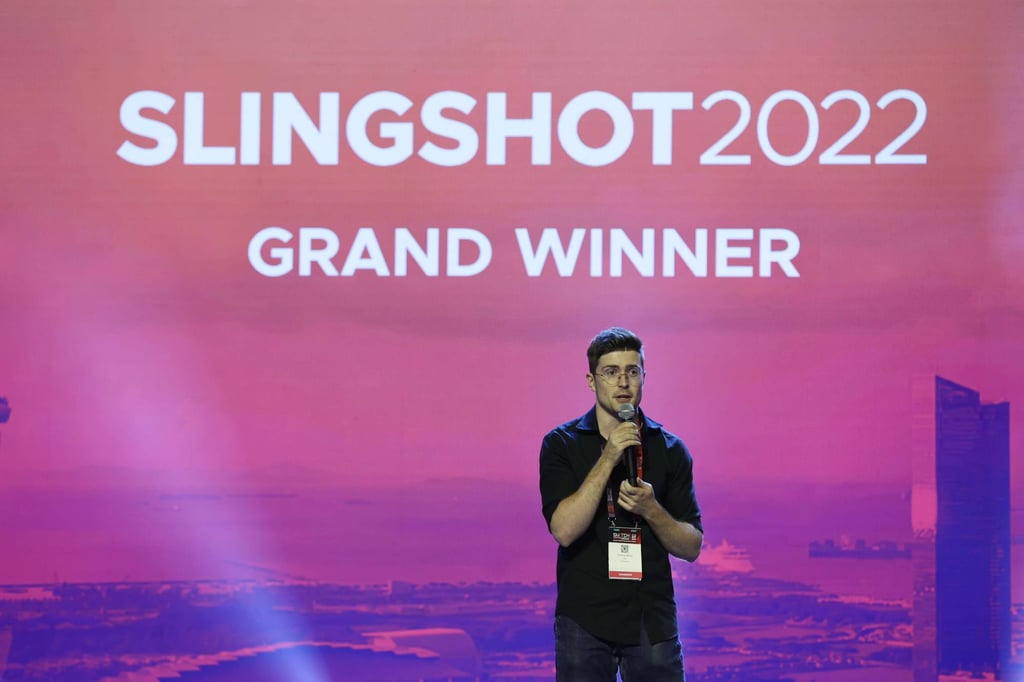
“We want to expand production now that we’ve completed the R&D phase,” added Bester, who hails from the UK. “We’re exploring a few different models – if we’re going to build the factory in Singapore … and get these products to a level where they are commercial-ready.”
According to financial news website DealStreetAsia’s “Singapore Venture Funding Landscape 2022” report, which studied Singapore’s venture funding statistics from January to September last year, total deal value of deep tech start-ups leapt 91 per cent year-on-year to S$1.64 billion (US$1.2 billion).
At least 18 start-ups graduated from Seed to Series A funding rounds, amassing US$481 million in fresh capital, while six more firms completed Series B funding rounds totalling nearly US$300 million.
Among the deep-tech companies, healthtech start-ups are doing particularly well, racking up close to US$500 million in funding. This is about a third of all deep-tech investments in the republic in the first three-quarters of last year. One biomedical start-up, Biofourmis, even secured growth stage funding of US$220 million.
The SLINGSHOT competition is among the nation’s key initiatives held to facilitate the development of this vibrant ecosystem. Last year’s sixth edition offered participants from over 150 countries the opportunity to network with leading investors, accelerators and companies, receive pitch coaching, and ideate with multinational corporations and home-grown players to fast track their ideas into the market.
“We established new partnerships with Singaporean and global collaborators for distribution and linked up with investors on potential funding,” Chen says of E3A’s experience at the competition.
“It’s a fantastic opportunity for anyone looking to showcase their ideas while honing their business case and presentation skills. Streamlining our pitch from the usual 15 minutes to two minutes for the competition was difficult, but proved to be very rewarding, as it gave us an opportunity to rethink our business plan.”
Outsized global impact
Another company which emerged from SLINGSHOT is biotechnology start-up Wasna, which makes low-cost, animal-free growth serum.
“The international background of the other start-ups helped us get warm introductions to venture capital [VC] firms in other parts of the world,” says founder Mathieu Van Giel. “Winning also gave us a foot in the door with quite a few VCs, which were excited by us being a finalist.”
Van Giel is using his prize money as salaries for future staff and to buy reagents. “The funding makes it easier to compete for talent,” he says.
With its serum, which can be used by manufacturers to cultivate all types of meat cells, Wasna aims to make cultivated meat as affordable as regular meat.
Van Giel says one of the largest culprits for the immense cost of cultivated meat is the blood plasma of unborn cows – a pricey yet critical ingredient manufacturers need to use.
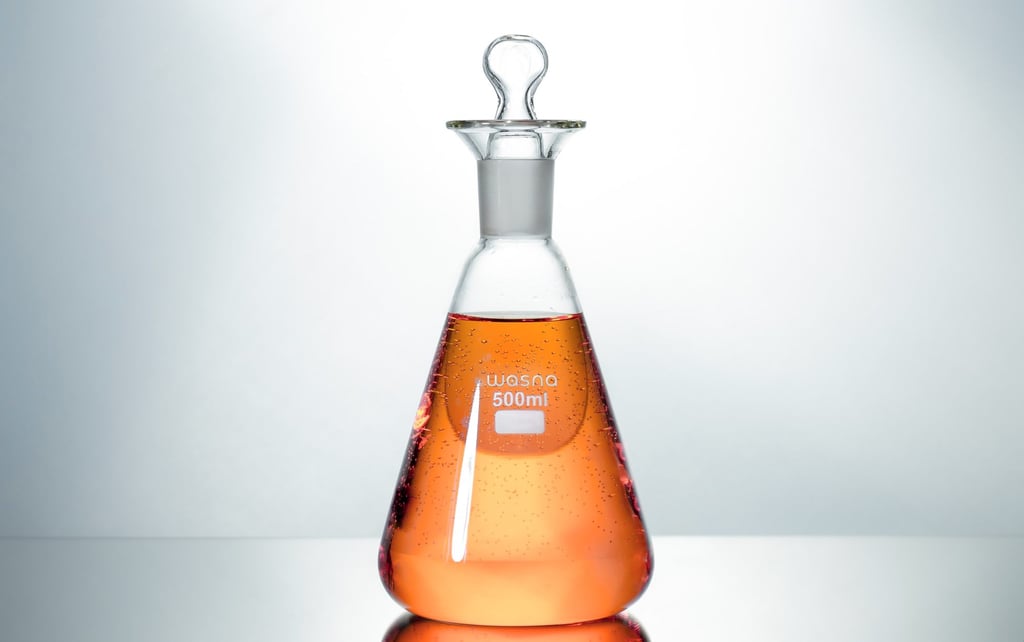
“Every cultivated meat company has made it its main quest to first remove blood serum from their production process,” he says. “Big life science companies have been doing this for decades, but they never created a solution that works on all cells.”
He spent five years mulling over his patent-pending solution – the details about which he remains tight-lipped. But he does admit Wasna approached the problem “from a holistic direction”.
The start-up’s serum has proved effective. The next steps are to manufacture a version that is applicable for use in foods, and use it to make pâté, then seek approval from global food agencies. This is why Van Giel picked Singapore as a business base, as the republic is the world’s first country to approve a cultivated meat product for consumer consumption.
“Singapore is actively focused on its food security, and on improving the growth of deep-tech companies,” he says.
Like all savvy businessmen, the founder is already looking beyond the horizon at new applications for the serum as a replacement for human blood plasma in healthcare applications, such as wound healing, vaccine production and tissue engineering.
“We hope the product will eventually help reduce the need for donor blood in cell therapy and other medical applications,” he says.
E3A also has its eyes firmly on making a bigger global impact. The start-up is expanding beyond jaundice testing into smart solutions for newborn and women’s healthcare, having created a fertility monitor and instant menstrual pain relief product.
For a start-up to succeed, “one does not have to be the most profitable company, but must have a big vision with large impact, and a visible path to achieve it”, Chen says.