Turning tenants into sustainability partners
Having surpassed its 2030 Scope 3 GHG emissions target for downstream leased assets ahead of schedule, Swire Properties is stepping up efforts to engage tenants in reducing emissions, waste and resource consumption across the building lifecycle

[The content of this article has been produced by our advertising partner.]
In the built environment, long-term sustainability performance depends on how a building is designed and constructed, as well as how occupiers manage and use the space each day.
That collective responsibility, carried by landlords and occupiers alike, is driving the next phase of Swire Properties’ sustainability vision. Following a year-long review, the developer has renewed its SD 2050 Strategy in its continuous efforts to align business performance, people and nature across the built environment.
The growing role of tenants was evident at the Green Performance Pledge Forum 2026, held at ArtisTree in Taikoo Place in early July. The event recognised the environmental performance of participating companies while providing a forum for tenants and businesses to exchange ideas on resilience and sustainability.
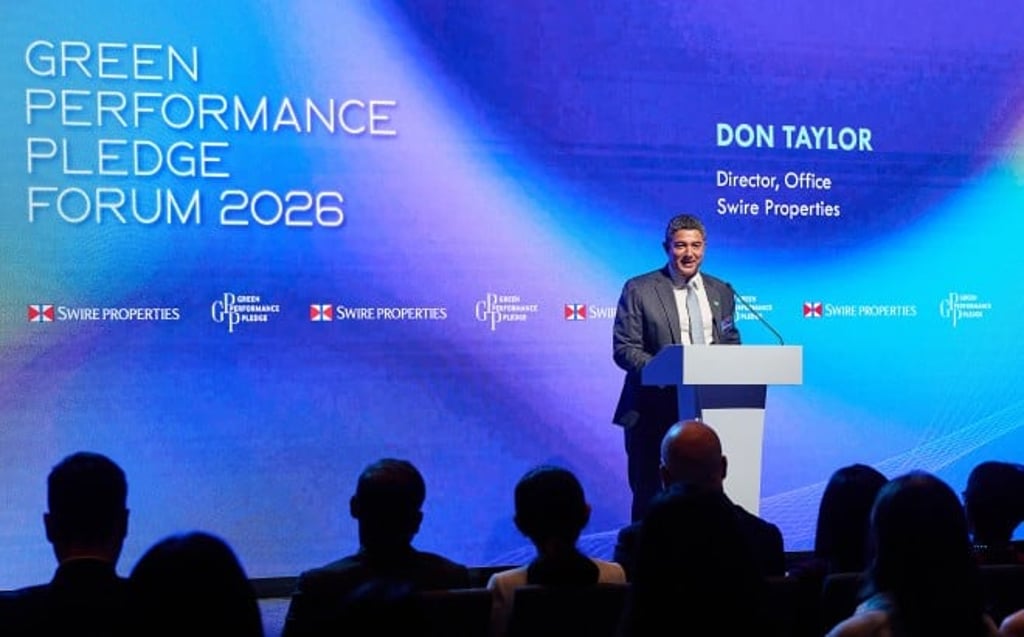
Turning sustainability goals into results
At Taikoo Place, a business district in Quarry Bay home to more than 35,000 workers, sustainability is embedded into everyday workplace experiences through a range of initiatives, including the Green Performance Pledge, Green Kitchen Initiative, The Loop Urban Farm, smart reusable cups and food containers programme and urban biodiversity programmes.

Retail design is another area where decisions made before opening can affect energy consumption, material use and waste for years. Through its Green Retail Partnership, Swire Properties has formed strategic partnerships with LVMH and Kering to improve ESG performance across their offices and stores.
The company is currently working with 10 LVMH maisons in planning the adoption of a jointly developed eco-design checklist for their new stores, and with Kering to promote sustainable store design and ESG data sharing.
These initiatives embed sustainability into the daily operations of the entire commercial communities, empowering offices, shops and restaurants to contribute to shared sustainability goals.
From shared spaces to shared responsibility
A key highlight of the forum was a panel discussion moderated by Christine Loh, Chief Development Strategist at the Institute for the Environment at HKUST. It examined ways to incorporate resilience into daily operations and long-term business strategy amid greater uncertainty.
“Climate resilience is ultimately about people. The decisions we make have a direct and measurable impact on a company’s access to the capital market,” said Carmen Tsang, Head of Sustainable Investment Banking, Greater China, Crédit Agricole CIB.
This calls for policies and technology to be backed up by a culture of sustainability among the people occupying a building. Tenants can then participate in delivering environmental and social outcomes rather than remaining passive occupiers.
“Our challenge is how to innovate in ways that drive sustainability at no additional cost while creating value,” said Lit Ping Low, Group Sustainability Director at DFI Retail Group.
Her remarks underscored a recurring theme of the forum: the importance of making sustainability both practical and commercially viable.
The forum itself practised what it preached. Organised in accordance with Swire Properties’ latest Green Event Guide, sustainability was incorporated into its decorative materials, catering and waste management. The measures were intended to inspire wider adoption in everyday business operations.
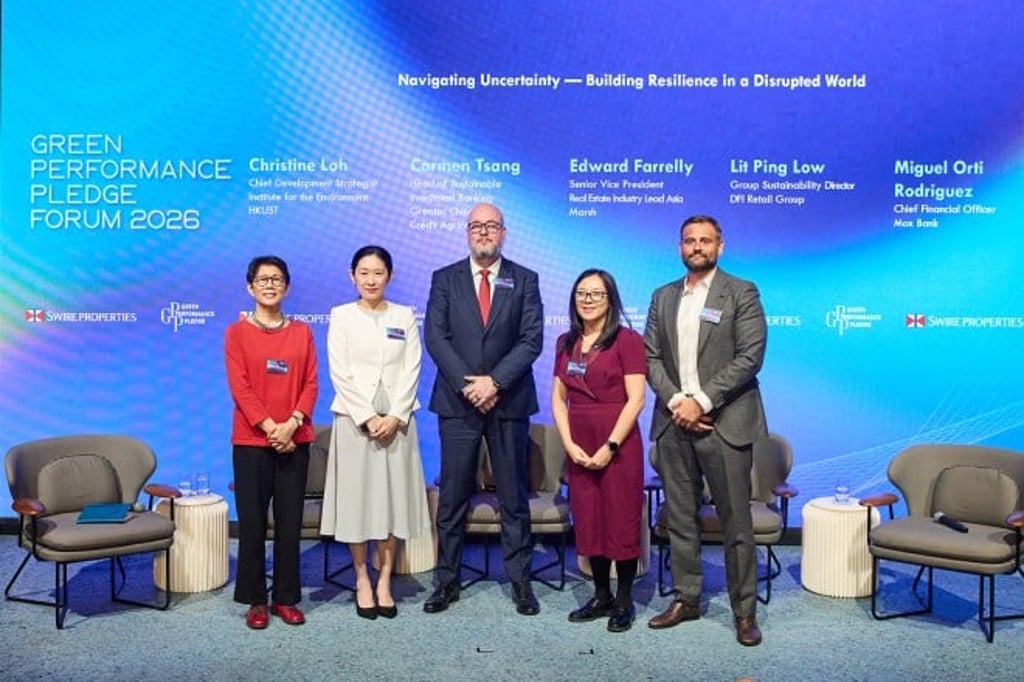
With most of its 2030 performance targets already achieved, Swire Properties is increasingly looking to its tenants as partners in advancing collective sustainability goals.
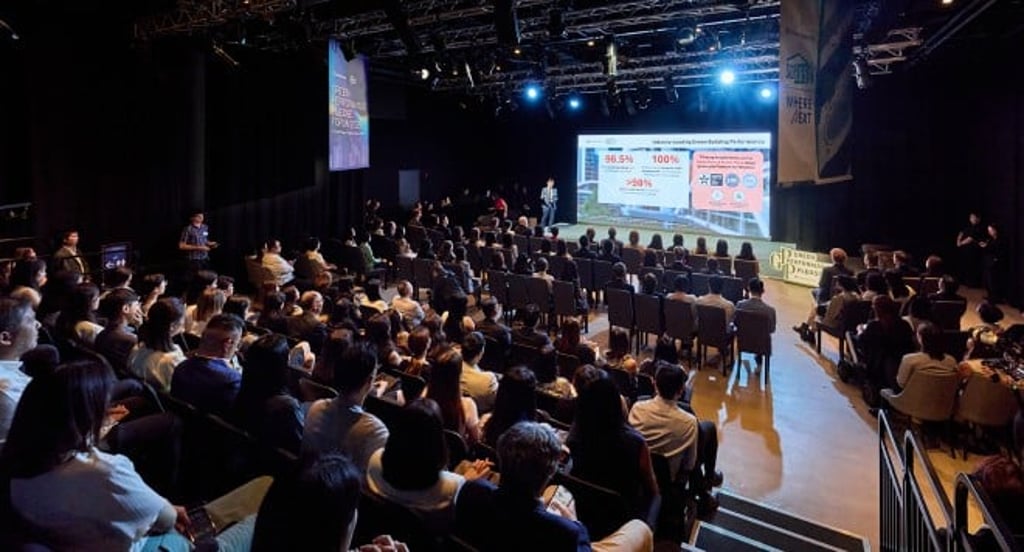
According to Swire Properties, participating tenants saved enough water for more than 18,000 household showers and enough electricity to power around 120 typical Hong Kong households for a year between April 2025 and March 2026. During the same period, more than 270 tonnes of waste were diverted from landfill.
Energy use reflects work patterns and equipment choices, while waste volumes are influenced by purchasing policies and disposal practices that determine whether materials are reused, recycled or sent to landfill.
The figures show how decisions made across hundreds of workplaces can add up to measurable savings, supporting Swire Properties’ SD 2050 vision of building the world’s most sustainable communities.
Through a unified system for assessing performance, the programme allows the landlord and tenants to identify where changes can be introduced and track the results. Occupiers have an active role in delivering greater environmental progress, while landlords must provide the systems and guidance needed to make those choices workable.