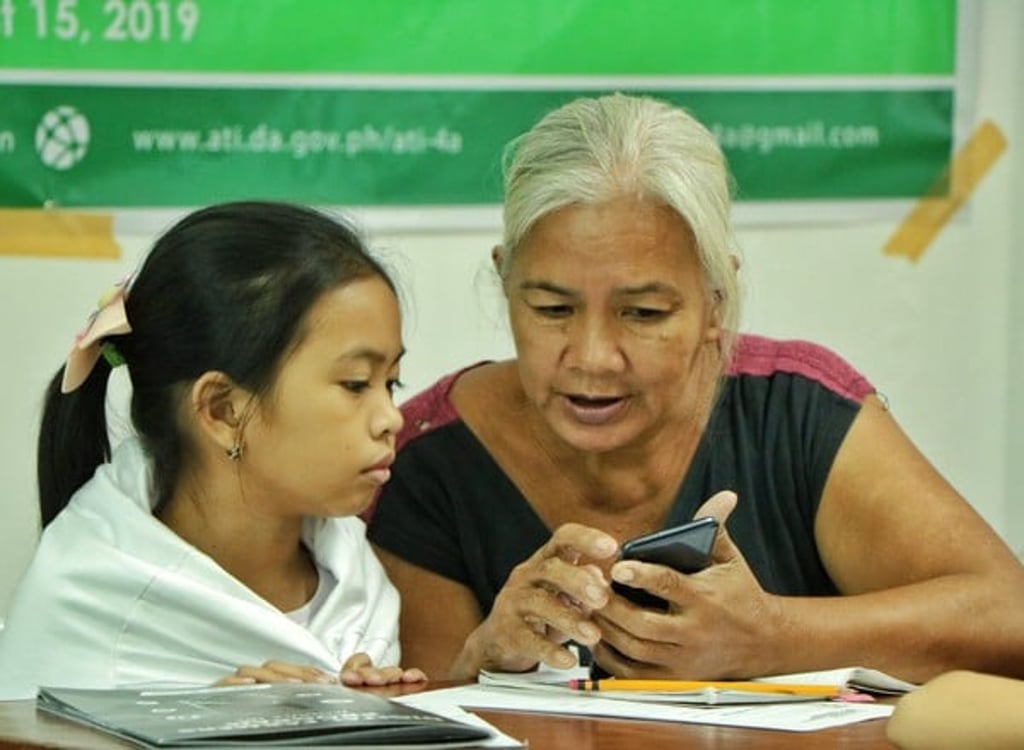
Strengthening inclusivity through PLDT and Smart; from farm to fork, digital tools to propel Philippine recovery

[Sponsored Article]
The digital economy plays a key role in the Philippines’ economic recovery from the coronavirus pandemic, says Cielito Habito, Chairman of Brain Trust: Knowledge & Options for Sustainable Development, Inc. At a recent economic briefing of the Management Association of the Philippines (MAP), the former socioeconomic planning chief pointed out that digital economy is the only major sector to see growth during the public health crisis other than agriculture and banking.
“COVID-19 simply sped up what many believed to be the natural and inevitable direction of business and the economy well before the pandemic hit. Artificial intelligence, the internet of things, and blockchain usher in completely new ways of producing, processing, marketing, transporting, buying, and consuming products and services,” he said.
Habito also recognized the importance of digital tools in uplifting agriculture as they boost productivity and efficiency. The former Ramos cabinet secretary advocates agriculture as an inclusive mechanism in helping the economic rebound. He explained that as an industry, agriculture is prevalent across all regions of the Philippines and is strongly interlinked with the rest of the economy. He also cited the rise in farming productivity after decades of stagnation as more open trade appears to have encouraged the government and producers to invest in competitiveness.
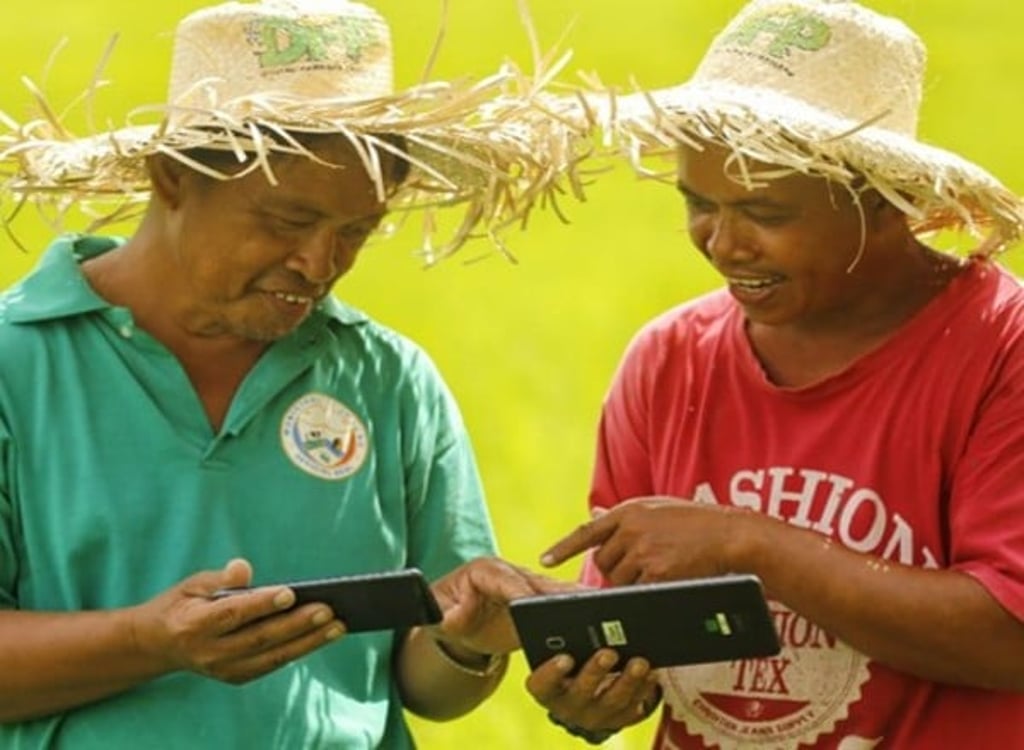
But he warned that embracing digital economy requires substantial public and private investments in upgraded and widened connectivity, or else it will only widen the digital divide. “We have to capitalize on it and enhance it and make it inclusive for everybody,” adds Habito.
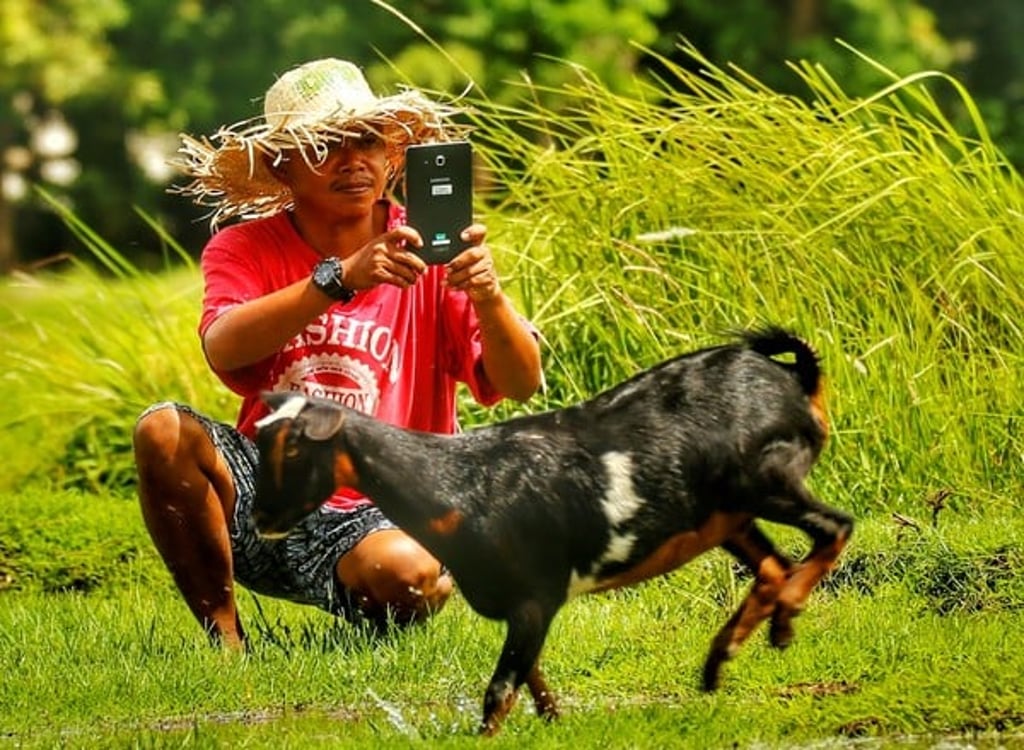
“Our Company spurred entrepreneurship, creating new opportunities in the COVID-19 disruption. These could not have happened without the unrelenting commitment of our people to carry on with the network upgrades, repairs and installs, despite mobility challenges posed by the lockdowns. The investments we put to work over past decade to strengthen our network infrastructure and improve customer experience have put us in a prime position to deliver a service that has become essential in economic recovery: digital connectivity.”
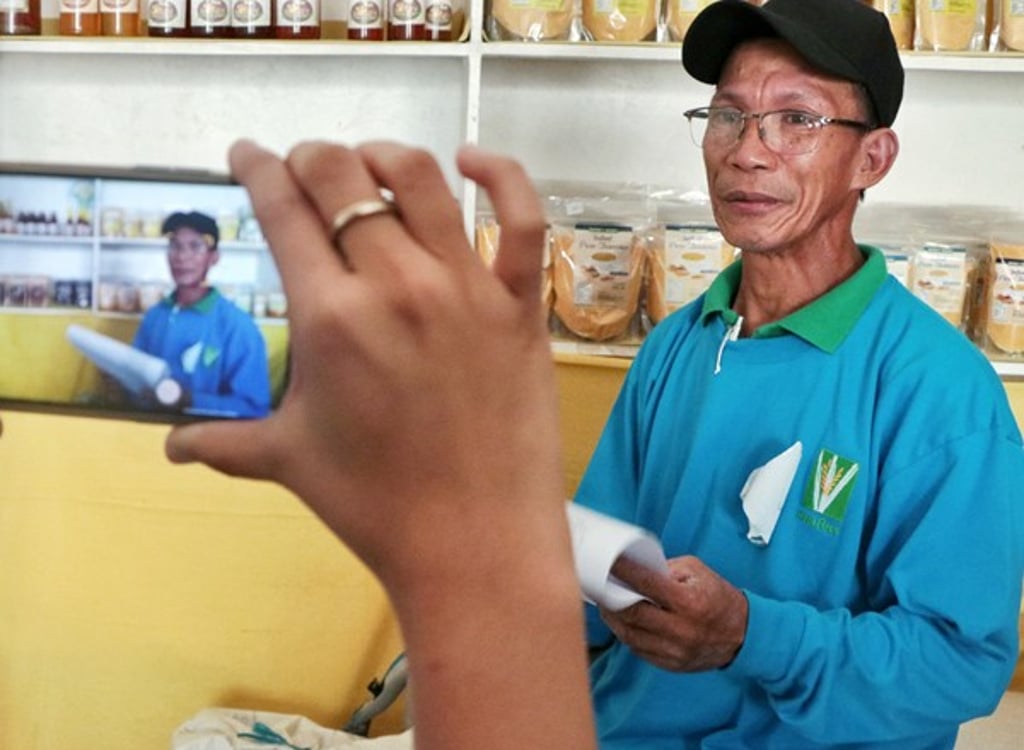
PLDT and Smart’s investments have been paying off. Ookla, the global leader in internet testing and analysis, hailed the two telcos as the Philippines’ fastest fixed and mobile networks in the second half of 2020.
PLDT is accelerating the expansion of its fiber infrastructure reaching more than 429,000 kilometers as of December last year, the most extensive in the country. This fiber infrastructure also supports Smart’s 5G, 4G, 3G, and 2G networks, which now cover 96% of the population, and available in 95% of the country’s cities and municipalities.