Experts and investors share insights in volatile venture capital market at CVCF 2022
- The venture capital market is boosted with dynamism as paced normalcy has returned to many regions with the waning of the pandemic.
- Despite geopolitical volatility and market challenges, investors and start-ups are cautiously optimistic about the VC market’s sustainable growth.

[The content of this article has been produced by our advertising partner.]
The easing of the pandemic control measures and paced return to normalcy in Hong Kong and other neighbouring economies have helped increase optimism in the venture capital (VC) market amidst vibrant fundraising for start-ups in Southeast Asia.
The momentum in the region has been positive: Southeast Asia’s internet economy, led by Indonesia, is forecast to double to US$363 billion by 2025 from an end-2021 estimate of US$174 billion in gross merchandise volume. Investors are drawn to the region’s VC market because Southeast Asia has a large and young population that is increasingly affluent and digital-savvy. The region boasts a fast-developing innovation ecosystem and broadening exit rate avenues.
As of September 2022, firms such as Insignia Ventures Partners and SoftBank-backed East Ventures are among those that have raised a combined total of billions for start-ups over the past year as the region’s 650 million people were drawn to digital platforms. Sequoia has raised US$2.85 billion across a set of funds focused on India and Southeast Asia. That includes its first dedicated fund for Southeast Asia, with a pool of US$850 million.
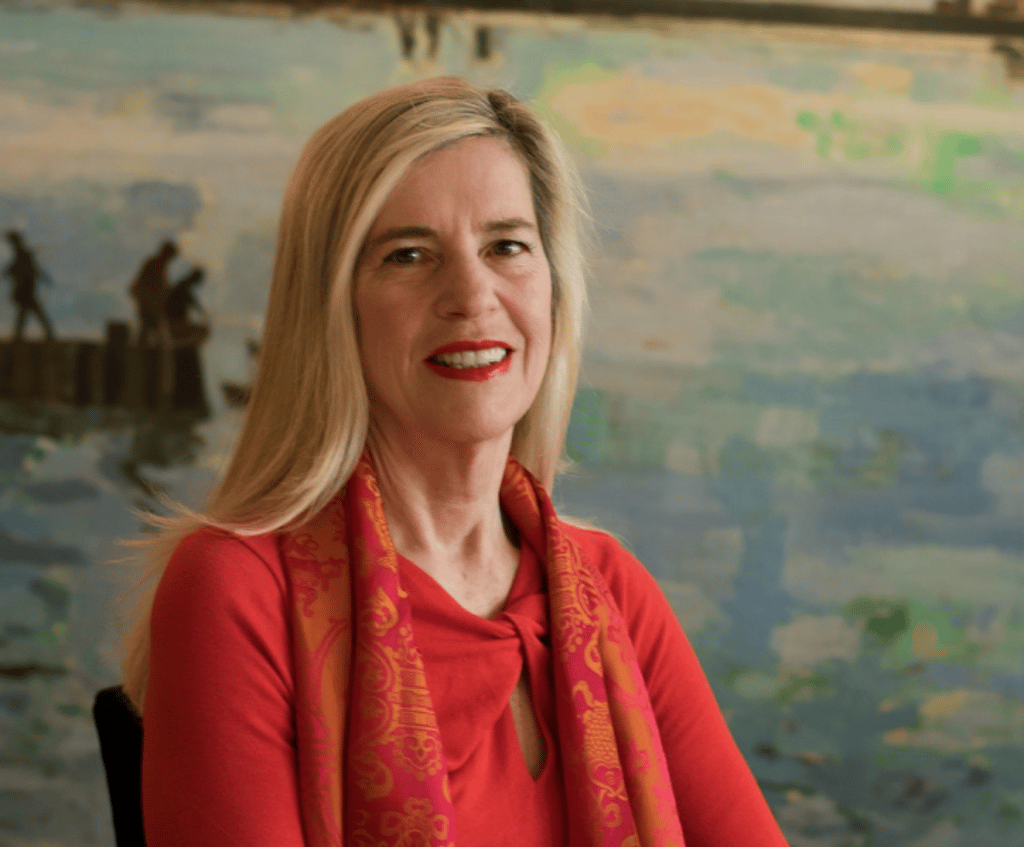
Managing partner of Quest Ventures, James Tan, believes Southeast Asia continues to attract the attention of smart institutional investors. “As the world's fastest growing region, this is a once-in-a-lifetime opportunity for investors to tap into the potential of Southeast Asia,” he notes. “Quest Ventures, backed by institutional investors such as Temasek, has launched new funds focused on emerging opportunities.” Tan is also among the speakers at the CVCF 2022.

Southeast Asia continues to see deals done at the early stage, continues Tan. “Many problems and therefore opportunities exist in the emerging economies here. While proven business models are important, VC firms in Southeast Asia are very open to new models that adapt to their unique markets.”
As one of the regional tech hubs, Hong Kong has demonstrated resilience. Meanwhile, the city faces competition from other hubs in the region, such as Singapore. Tan believes the relaxation of COVID-19 measures in Hong Kong will benefit not just the start-ups but for the overall economy. “Hong Kong is an important global financial centre and we look forward to its opening up,” he says.
Nevertheless, geopolitical tensions have had an impact on the VC market, Fannin notes. “US-based VC firms have re-evaluated their strategy towards China and pulled back. This rethink has also impacted Hong Kong start-ups investing, but to a lesser extent. Now that travel restrictions are being lifted, we expect Hong Kong to regain some of the traction it lost and see increased interest and capital flows from overseas.”
In India, start-ups witnessed a whopping 39 per cent year-on-year growth in VC funding deal volume to 976 deals during the first half of 2022. The corresponding disclosed funding value also clocked a 4.5 per cent rise to US $15.6 billion. Southeast Asia and India have emerged as attractive markets due to the fast growth of start-ups in both regions in recent years, culminating in a series of blockbuster listings last year from the likes of Indian food delivery company Zomato and Singaporean superapp Grab. Meanwhile a new generation of ambitious founders is emerging in the region.
Financial market uncertainty
The global financial markets have been turbulent since the start of 2022: there have been global central banks’ interest rate hikes and massive inflation, while possible economic recession may happen. Amid this sentiment, venture capitalists are becoming more cautious about funding start-ups at unicorn valuations, Fannin notes. “There are already too many unicorns, and this can't be sustained in the tougher economic environment globally. Venture capitalists are also asking their start-ups to conserve cash to prepare for a possible recession. This scenario is likely to last well into 2023,” she adds. “Only the best-performing VC funds with clear specialisation will be able to raise new capital.”
Tan thinks that capital allocators would be hard-pressed to shift their portfolio management to provide more for short-term instruments and hence less for long-term instruments, such as VC. “A traditionally outperforming asset class, VC will continue to be at the top of minds of limited partners,” he says.
“Thriving in the Dynamic: Refocusing for Growth”
Together with the strong market, multiple challenges, including ongoing geopolitical volatility and looming recession, have prompted the VC market to take a new shape and sentiment, with strategic resilience and agility, to seize every emerging opportunity. At this critical juncture, the CVCF 2022 (Hybrid) will gather world’s foremost experts to share their views on how start-ups can rise to the challenges and become stronger, on October 27 and 28, 2022.