EdUHK Prof Mette Hjort Champions Cultures of Care for a Flourishing Hong Kong

[The content of this article has been produced by our advertising partner.]
In a flourishing community, care should extend beyond interpersonal relationships, manifesting across various societal domains including film, healthcare, culture, and education. As an expert in cultures of care, Prof Mette Hjort, Chair Professor of Film and Media Studies of the Faculty of Humanities (FHM) at The Education University of Hong Kong (EdUHK), challenges prevailing norms that often prioritise productivity and commercial outcomes.
Through her groundbreaking research on cultures of care, Prof Hjort explores how care can be thoughtfully integrated into motion pictures, healthcare, culture, and education to foster a more caring Hong Kong, generating ethical, cultural, social, environmental, and health benefits. As Hong Kong increasingly embraces care-centred approaches across various sectors, Prof Hjort's research aims to contribute meaningfully to a more flourishing society where care becomes a fundamental value, rather than an afterthought.
Current Landscape: Public Discourse on Cultures of Care
Hjort notes that conversations around cultures of care in Hong Kong are steadily gaining momentum, with pioneering organisations in the creative arts sector leading the way. "The public discourse on this topic is increasingly robust in the city," she observes, highlighting Tai Kwun's significant community engagement initiatives—particularly their 2025 project With a Song in My Heart. The project thoughtfully unites musicians, cancer patients, survivors, and caregivers through expressive jazz performances to share their challenges and experiences on the journey of battling cancer.
"While Hong Kong acknowledges the value of creative arts for wellbeing, we haven't yet developed a comprehensive public understanding that cultural interventions can sometimes serve people's needs more effectively than pharmacological approaches," she reflects. "The recognition of culture's healing potential is growing, but considerable work remains to fully integrate this understanding into our healthcare approaches and public consciousness."
Educational Initiative: Creating Sustained Attention to Care
The 'Comparative Cultures of Care (CCC): An Interdisciplinary Project' of FHM, in which Hjort serves as a Co-Investigator, enriches Hong Kong's discourse on care through multiple avenues. This comprehensive faculty-wide initiative cultivates cultural and professional care competency among graduates and emerging professionals through diverse and thoughtfully designed programmes. These include a volunteer-based journey in collaboration with local NGOs that immerses students in caregiving practices and invites reflection on volunteerism via digital diaries. The project also features partnerships with local NGOs to foster intercultural youth leadership through gamified workshops and real-world applications of care.
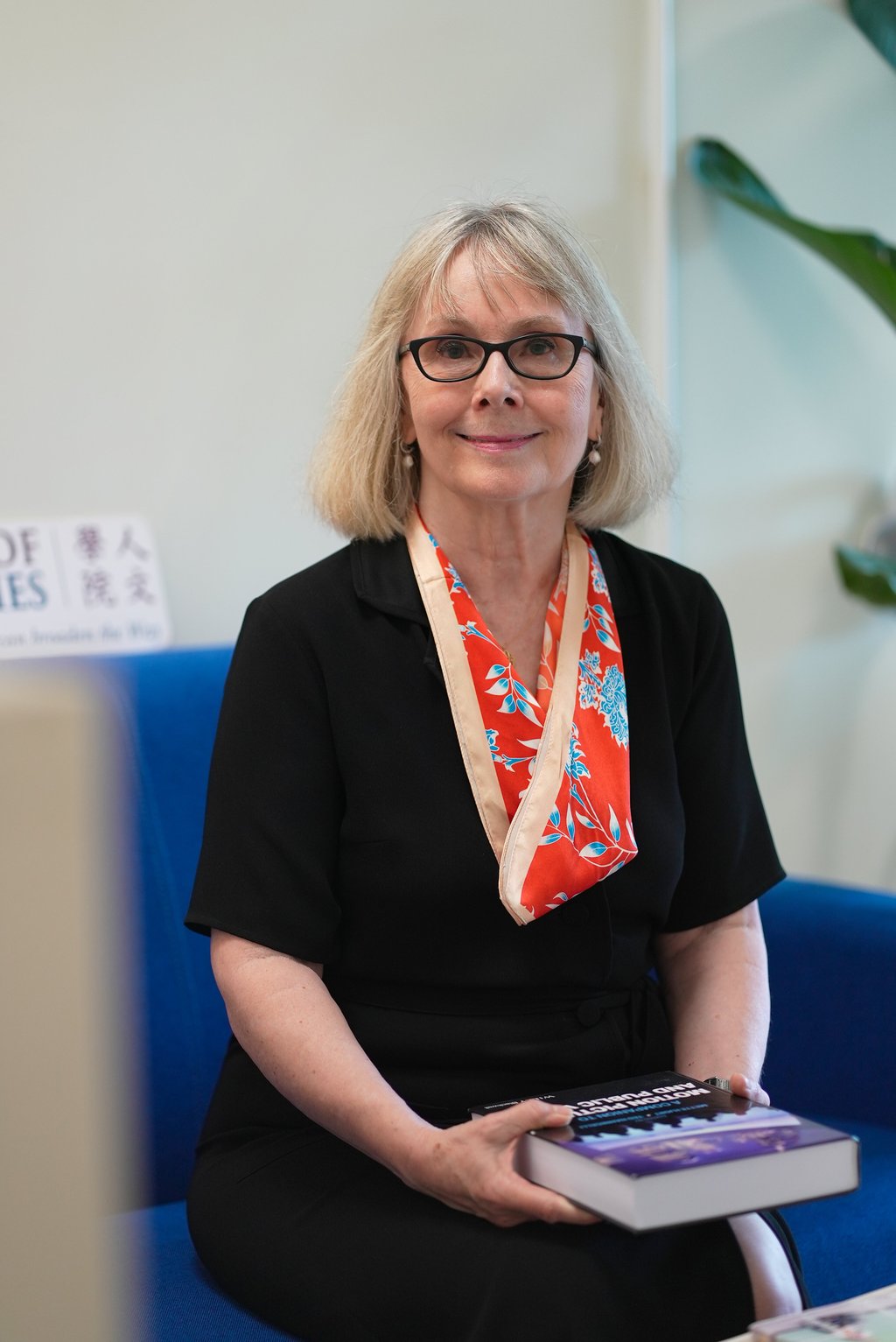
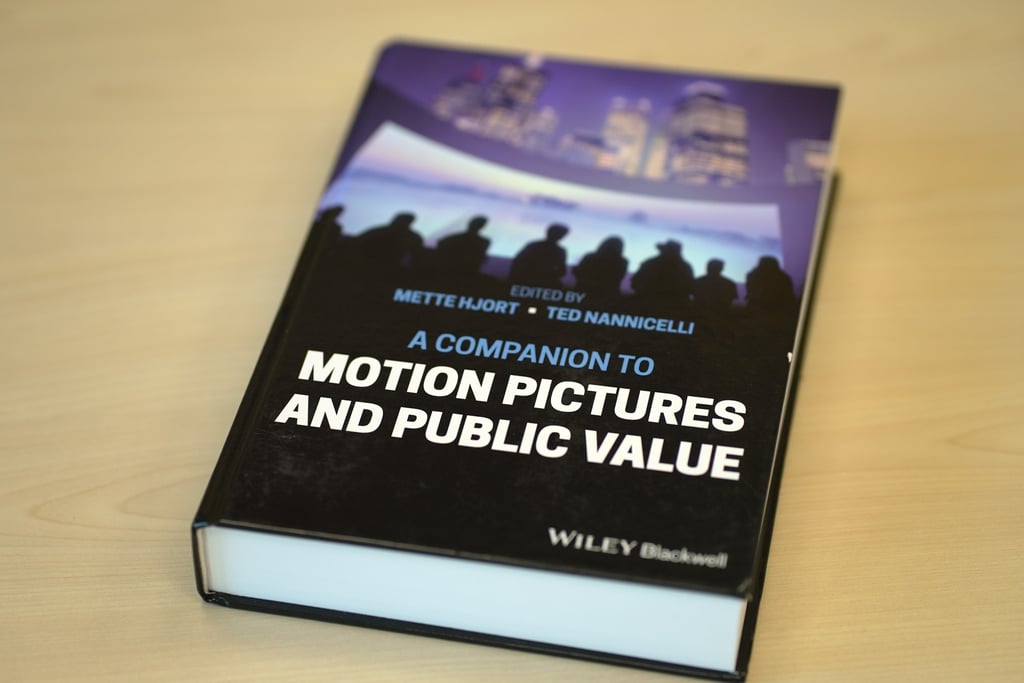
Prof Hjort's research on cultures of care related to motion pictures reveals that motion pictures have traditionally been valued primarily for entertainment, overlooking their broader potential. "We need to consider a much wider range of contributions," she explains. "I'm especially interested in how motion pictures can deliver different types of public value—moral/ethical, environmental/ecological, cultural, social, political, and health benefits."
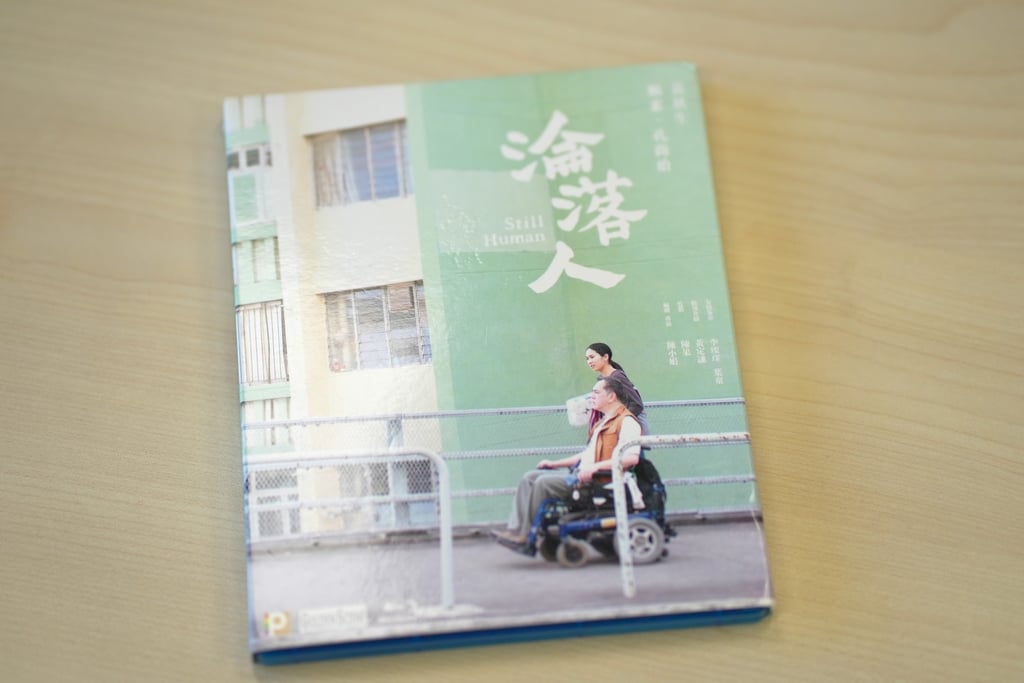
Hjort's vision transcends conventional cinema venues, extending into healthcare environments where films can serve therapeutic purposes. Her research examines how moving images might benefit patients in hospitals, nursing homes, and dementia care facilities. "I would like to see a policy landscape that acknowledges the multiple ways in which cinema can and should deliver value," she explains. "Cinema delivers public value in many different ways—and can serve as a significant factor in health and wellbeing."
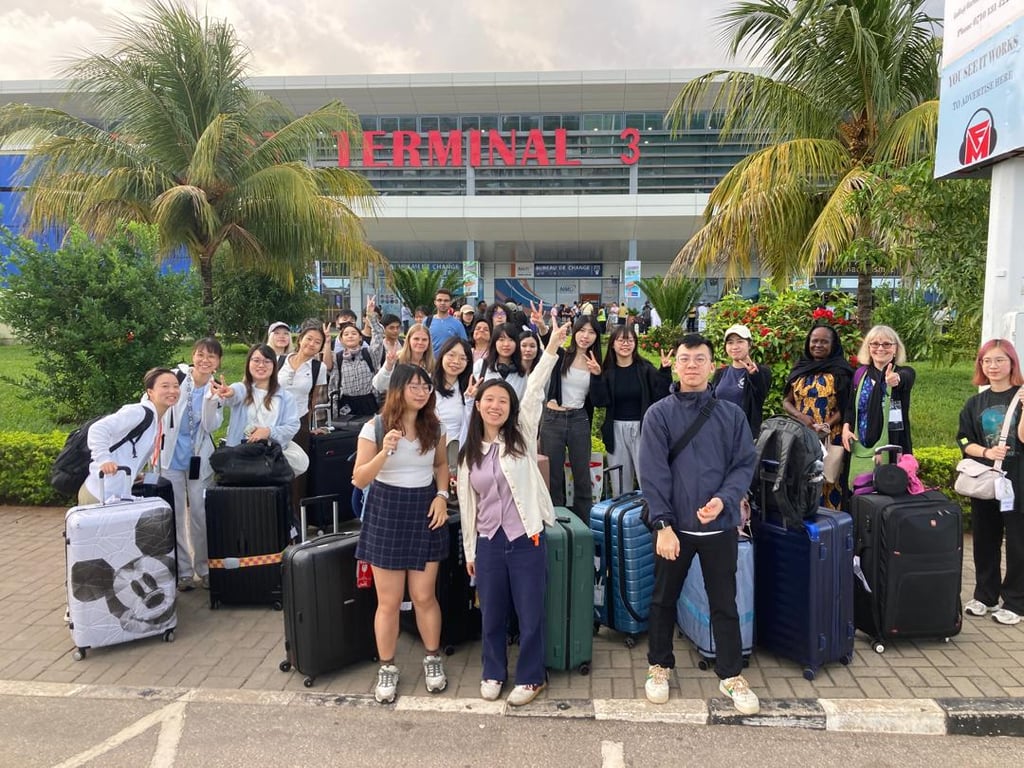
Hjort's pioneering research on transnational talent development in films has culminated in a transnational experiential learning opportunity at EdUHK in July 2025 through the CCC project. For 30 participating students, an 8-day immersion in Zanzibar, East Africa, promises transformative outcomes. "The careful cultivation of robust connections between Hong Kong and Zanzibar—through cultural collaboration programmes designed as partnerships of equals—has the potential to positively transform thinking about China-Africa relations in Hong Kong," she explains.
Hjort's vision for care-centred cultural development has been formalised through the establishment of EdUHK's Research Centre for Creative Arts and Public Value (RCCAPV), where she serves as a Director, alongside Co-director John Erni, Dean of the Faculty of Humanities. "Among other things, the team is creating a collaborative environment that welcomes artists from across the globe, including filmmakers," she explains. "Our focus extends beyond producing definitive works to emphasise the artistic process itself—the thoughtful exploration of values, issues, and concepts that can fundamentally transform society."
RCCAPV aims to catalyse policy formation through artistic projects, investigate how art enhances human flourishing, and facilitate global wisdom exchange through issues-based, solution-oriented transformative art. This institutional framework provides a sustainable platform for translating Hjort's theoretical insights into tangible contributions to Hong Kong's evolving creative and care ecosystems.
Through her groundbreaking research and advocacy, Hjort transcends mere documentation of Hong Kong's cultural landscape—she actively shapes its evolution towards more caring, inclusive, and flourishing futures—essential qualities for a truly global city in the 21st century.
Interviewer: Andy Ng & Eric Lam
Writer: Eric Lam
Photographer: Manvil Cheng