How Beethoven’s personal woes resonate with people today as HK Phil’s Beethoven 250th honours composer
- Pianists Nobuyuki Tsujii, born blind, and Rachel Cheung, who overcame emotional hurdles, can relate to German who battled depression and increasing deafness
- HK Phil, led by music director Jaap van Zweden, will perform Beethoven’s most notable works as part of concert series to mark his birth in 1770

[Sponsored Article]
In the world of classical music, 2020 is a significant year as it marks the 250th anniversary of the birth of Ludwig van Beethoven, one of the world’s greatest composers.
As his familiar compositions continue to delight global audiences, the Hong Kong Philharmonic Orchestra (HK Phil) is highlighting the celebrated German’s life and career by taking Hong Kong audiences on a musical journey after launching its special “Beethoven 250th” concert series, where it is performing the composer’s most notable works.
Beethoven, who was baptised in Bonn, Germany, on December 17, 1770, died in Vienna, Austria, aged 56 on March 26, 1827.
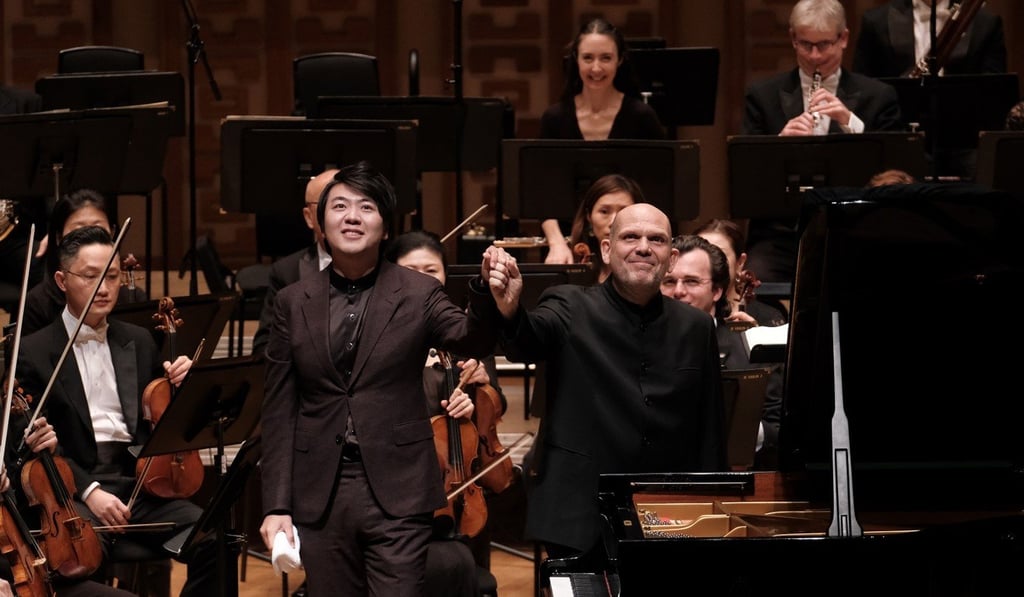
Conducted by music director Jaap van Zweden across two concert seasons in 2019/20 and 2020/21, this series features some of the world’s greatest classical pianists in the 2019/20 season, including mainland China’s Lang Lang – who performed Beethoven’s Piano Concerto No 2 on January 16 and 18 – and Japan’s Nobuyuki Tsujii.
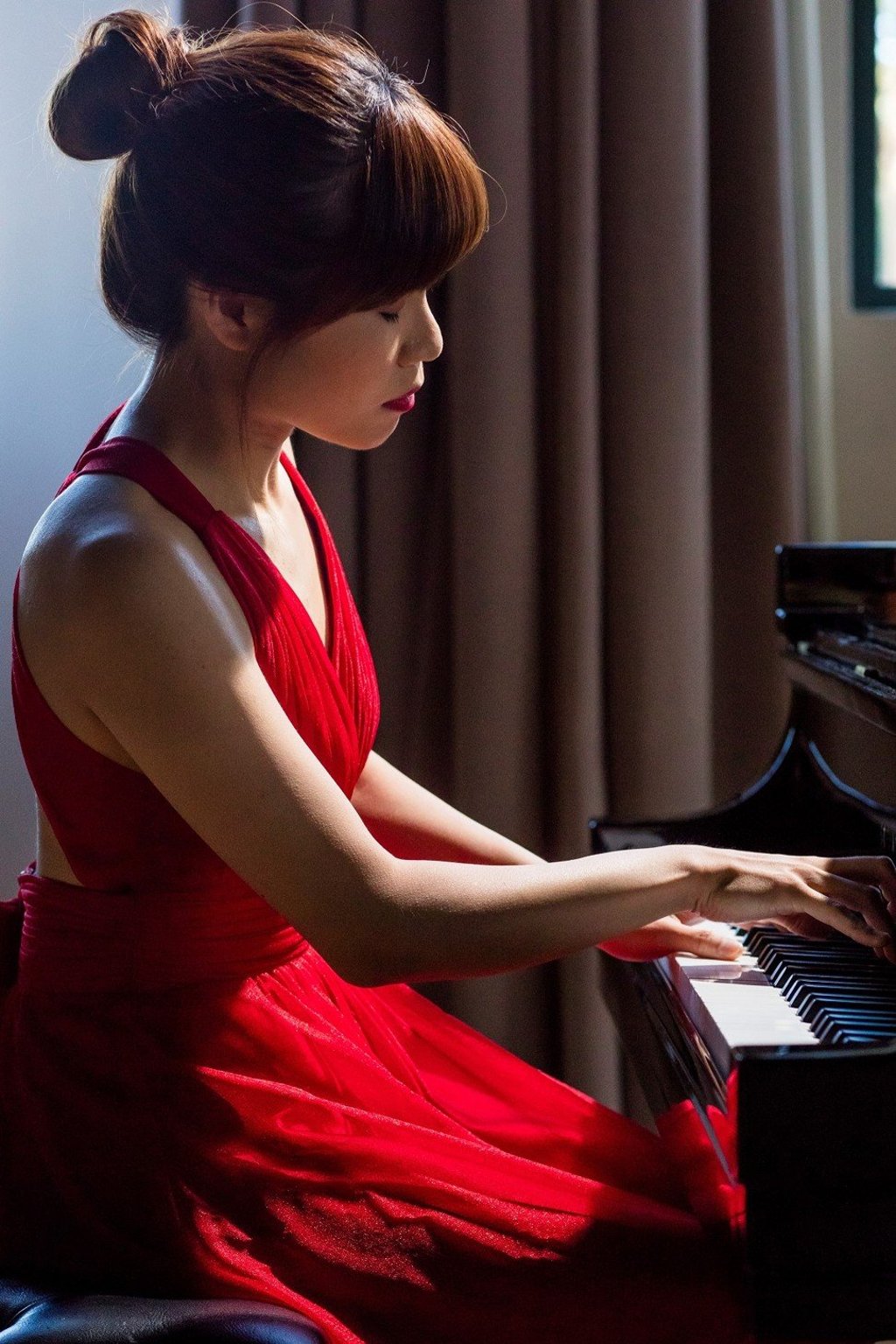
Prominent Hong Kong pianist Rachel Cheung, who has years of experience performing different great piano works including Beethoven’s with the HK Phil and other world-renowned orchestras, thinks the series of concerts are rare and exciting opportunities to see – and hear – the story and musical journey of the leading musical figure being brought to life.
The repertoire reflects the transitional period between the classical and romantic eras, filled with strong messages about love, overcoming adversity and how art and music can transcend age, time and gender.
Beethoven’s battle with ‘demons’

“Beethoven’s music and personality are admirable and … when you listen to [his music] you can really feel his struggles and how he is so resilient; you can feel how he fought against his fate even in his worst circumstances,” says Cheung, who has been an acclaimed Young Steinway Artist since 2011.
She feels passionate about Beethoven’s music and draws parallels between her own life, when she was a struggling musician having to overcome criticism and technical shortcomings.
The German composer suffered increasing hearing loss and depression later in his life.
Class differences thwarted his love for a countess because he was born a commoner. He also faced intense audience expectations, disputes with musical contemporaries and personal woes, including illnesses and a legal battle with his sister-in-law over the custody of his late brother’s son.
“As a musician in the artistic industry, [music is] very personal and very subjective, so it’s very difficult to please everyone,” Cheung says.

“I didn’t realise the importance of just staying true to the music; I focused too much on caring what other people would think of me, creating unnecessary tension and unhappiness.”
Cheung says that while this is something many artists endure, she has overcome the problem and is happy to express the musical messages in the works of composers she’s performing rather than promoting herself.
She says Beethoven’s compositions carry a message for today’s modern audiences because he was the first composer to express his emotions through his music.
“Before him, Mozart and Haydn were very passionate in their music and affected a lot of people, but for Beethoven, he put his own individuality [to the fore].
All audiences ‘connect with his music’
“So, even for audiences who are not familiar with classical music, or say a younger audience, even if you don’t know Beethoven or understand him as a musician, you will still be able to feel a force in his music.”
Acclaimed pianist, Tsujii, who is visually impaired, will be in Hong Kong to perform in May as part of the special concert series.
“I hope everyone enjoys Beethoven’s music in their own way by listening to the performances throughout the series and opening up a little bit of space in their hearts for the life and mind of the man,” he says.
Touted as one of today’s most remarkable Japanese pianists, he will be “exerting his miraculous powers” – as the HK Phil describes it – over Beethoven’s majestic Piano Concerto No 5, Emperor, at two concerts on May 22 and 23 at the Hong Kong Cultural Centre Concert Hall, which will also see the orchestra performing Beethoven’s Coriolan Overture and Symphony No 2. It will be Tsujii’s first time playing alongside van Zweden.
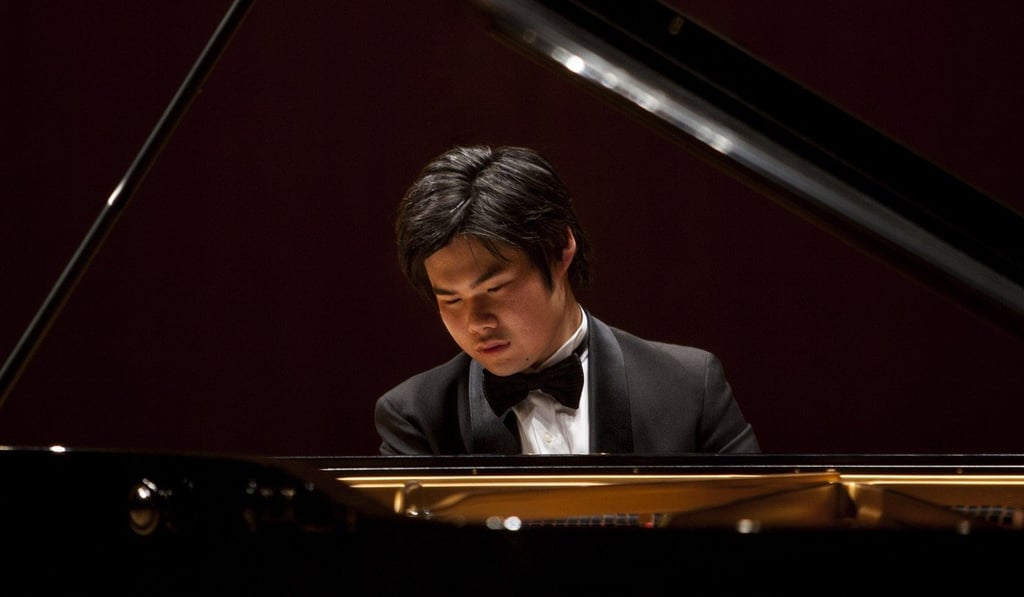
Tsujii seized the world’s attention as a classical pianist when he became the joint winner of the Gold Medal at the Van Cliburn International Piano Competition in 2009. The late American pianist Van Cliburn had described his playing as “absolutely miraculous”.
Plays ‘Do Re Mi’ as two-year-old
The Japanese pianist, 31, who was born blind, has said that his mother told him he was moving rhythmically to music at just eight months old. By two, he already showed exceptional musical talent when he learnt to play “Do Re Mi” on a toy piano after hearing his mother hum the tune.
He began formal piano lessons aged four and at 10 he made up his mind that he would be a concert pianist, making music his career and lifelong passion.
“Performing Beethoven’s pieces is challenging – technically and mentally,” Tsujii says.
“There is a prevailing sense of some difficulty, but one is also reminded of the importance of facing it head on and overcoming it.”
Just as Beethoven was forced to adjust the way he composed as his hearing deteriorated, Tsujii needs to learn all the music he performs entirely by ear.
He has said previously that he does it carefully by listening and “sensing what is around me”.
With the help of a team of people, Tsujii’s music is broken down into chunks and recorded so he can learn each segment and then piece it together. Since he is unable to see the baton, he listens to the conductor’s breathing for cues during performances.
Beethoven’s ‘spirit’ kept him composing
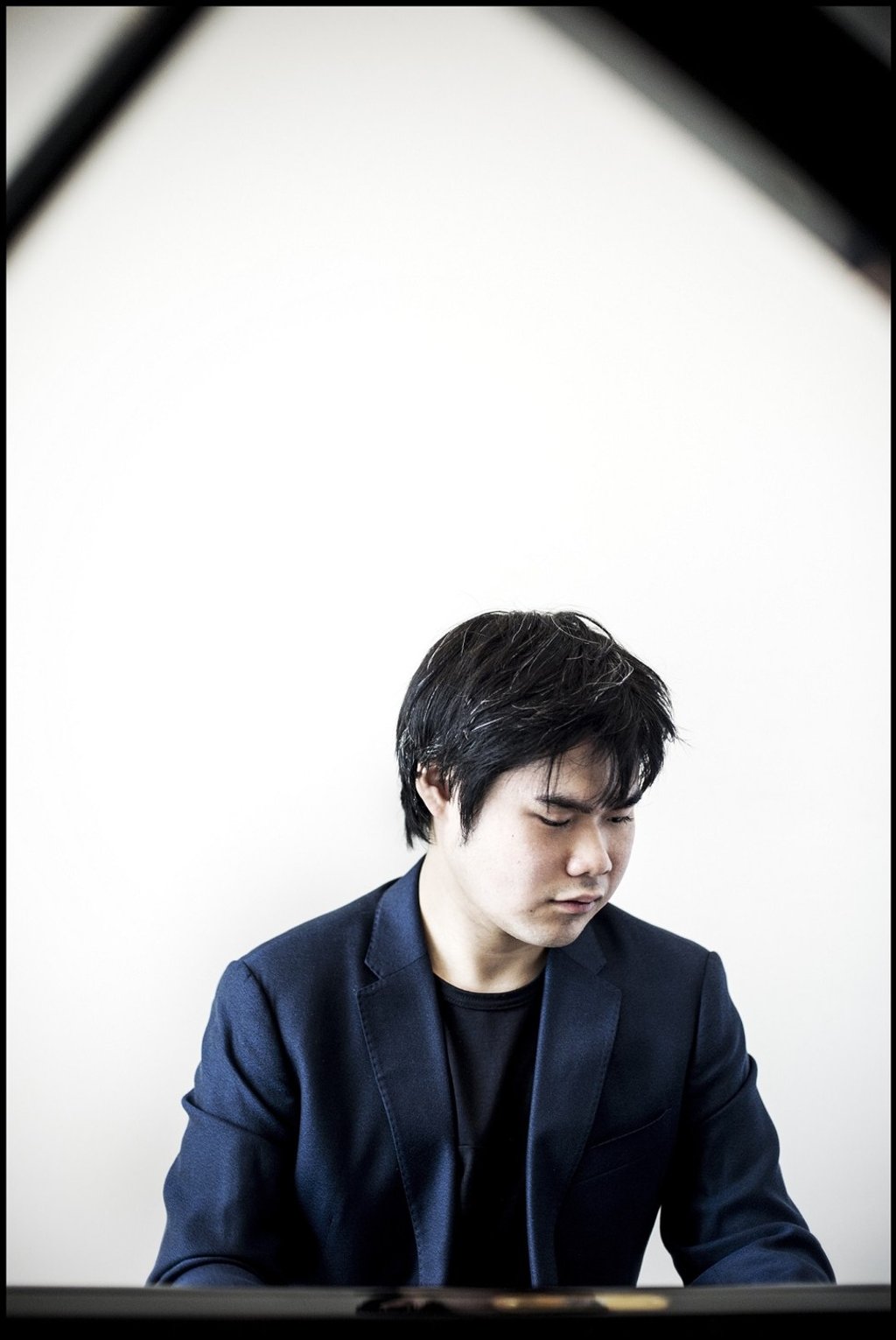
Tsujii, who performs with leading orchestras around the world, is able to flawlessly perform hour-long pieces, such as Beethoven’s Hammerklavier, Sonata No 29.
“[Beethoven’s] spirit propelled him to continue composing despite the hardship he experienced when he lost his hearing,” he says.
Watching Tsujii perform is a unique experience. He always starts by gently touching the edges of the keyboard to orient his hands, moving his head around to feel the environment, and when he plays his bodily movements make it seem as if music is radiating out of him.
“I don’t know if being blind makes any difference to the way one feels music, [but] I strive to express what I feel through this instrument and if someone listening to the sound I produce feels that it is nuanced and delicate, I’d be very happy.”
Aside from the 2019/20 concerts, the HK Phil will open the 2020/21 season with Beethoven’s Symphony No 9 and another line-up of notable international musicians.
This October, van Zweden will conduct Beethoven’s Fidelio as an opera-in-concert with the HK Phil at the Hong Kong Cultural Centre.
The cast will include Norwegian-born soprano Elisabeth Teige, New Zealand’s operatic tenor Simon O’Neill, German baritone Matthias Goerne and more. They will be joined by two choruses – the Hong Kong Philharmonic Chorus and the State Choir Latvia. The performances will be recorded live by Naxos.
To continue celebrating the life of the legendary composer whose music has transcended cultural boundaries, Beethoven’s 250th will hit another high note across the border at the Xinghai Concert Hall in Guangzhou, China, where van Zweden and the orchestra will perform all of Beethoven’s nine symphonies over four consecutive nights from November 5 to 8.
Editor's note: HK Phil has announced that, in view of the current situation regarding the coronavirus disease, Covid-19, the “Jaap’s Beethoven 4 | Nobuyuki Tsujii" concerts planned for May 22 and 23 have been cancelled. Visit the orchestra's website for more information.