"Multiverse – Hong Kong International Poster Triennial 2024" exhibition showcases awarded poster designs from around the world, highlighting emerging trends and future directions
- In its eighth edition, the competition has attracted the largest number of entries ever, highlighting the vibrant cultural diversity of different regions.
- For the first time, the triennial exhibition incorporates numbers of digital displays and an immersive projection zone, featuring enchanted animated works by international designers.

[The content of this article has been produced by our advertising partner.]
One of the largest of its kind in Asia, this edition of triennial attracted 3,189 entries from 55 countries and regions. The triennial exhibition, which is currently on display at the Hong Kong Heritage Museum (HKHM), allows audiences to appreciate the posters in a variety of medium from a fresh perspective, as designers are pushing the boundaries by adopting innovative approaches to conveying diverse messages, enriched with unique aesthetics and cultural attributes.
“Many designers have utilised digital technologies,” says Brian Lam, Museum Director of the HKHM. “This approach provides a greater scope for their creativity.”
The theme “Multiverse” carries several connotations. “On one hand, it denotes the multiple roles of each individual. On the other hand, it invites people to re-examine design and creativity, and their infinite possibilities,” says Kristie Ip, Executive Committee Member of the Hong Kong Designers Association, which co-presents the triennial with the Leisure and Cultural Services Department.
Local and global design trends are highlighted in the exhibition, which features the award-winning works as well as selected posters from international designers, totalling 155 sets. “Typography are the core design elements in many posters. Designers also incorporate their unique local cultural aesthetics to convey messages and concerns,” says Sandee Tang, Assistant Curator I (Design) of the HKHM.
The triennial features four categories: “Thematic: Multiverse”, “Promotion of Cultural Programmes”, “Commercial and Advertising”, and “Animated Poster”. “For the first time, we set up a separate specialist judging panel for the animated poster category, in alignment with the growing trend that more designers use digital technologies to explore more creative possibilities,” Tang notes.
Each category features Gold, Silver, and Bronze awards, as well as a Judges Award, which honours an outstanding design selected by one of the judges on the panels.
The triennial was inaugurated in 2001.
It’s a rare opportunity for design and art enthusiasts in Hong Kong to admire up close a curated collection of posters as diverse and rich in breadth and depth as this triennial exhibition. Divided into two distinct sections – award-winning designs and works by renowned international judges – the posters on display communicate a broad range of concepts.
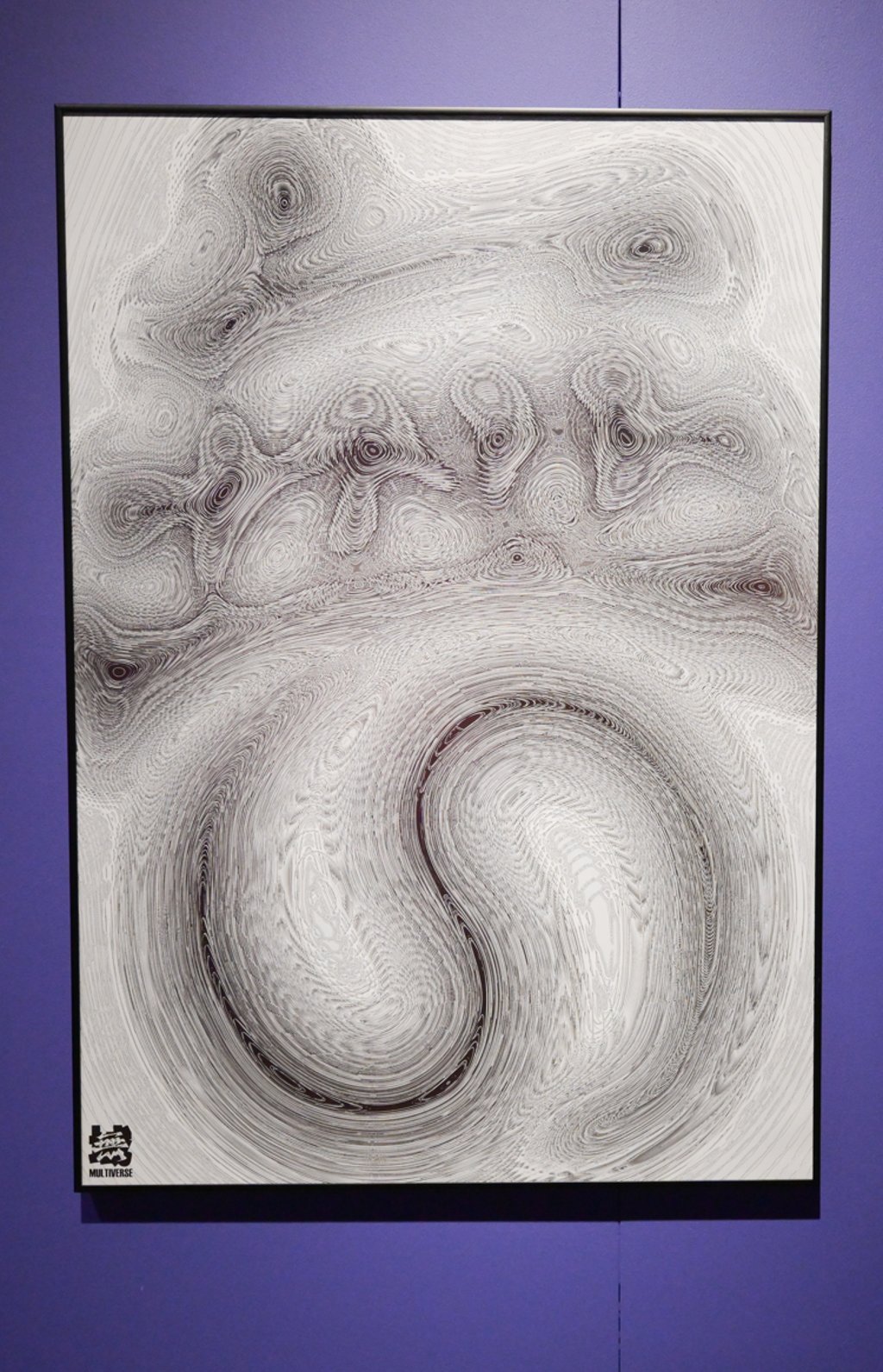
Pleasant surprises abound. For instance, the Gold Award winner in the “Thematic: Multiverse” category, Chen Yuese’s design titled “MULTIVERSE”, looks like Chinese ink calligraphy at first glance. “A closer inspection reveals digitalised graphic design elements,” says Tang. “But instead of artificial intelligence (AI), Chen meticulously retouched the graphic layer by layer using photo editing software to achieve the desired visual effect. Judges are impressed by how he blurs the line between traditional and contemporary art.” Chen is from Mainland China.
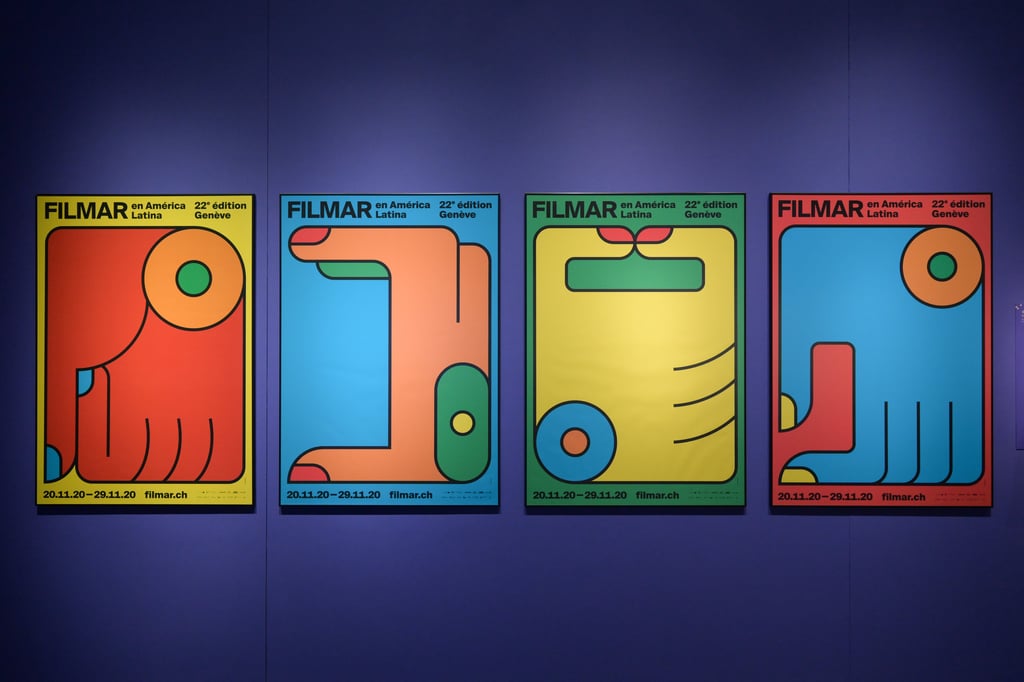
The Maya language is the inspiration for a set of four posters for the “Festival Filmar 2020”, by WePlayDesign in Switzerland, the Gold Award winner in the “Promotion of Cultural Programmes” category. Echoing the festival’s focus on Latin American cinema, the masterfully designed glyphs depict film-making-related hand gestures, such as framing and shooting, says Tang.
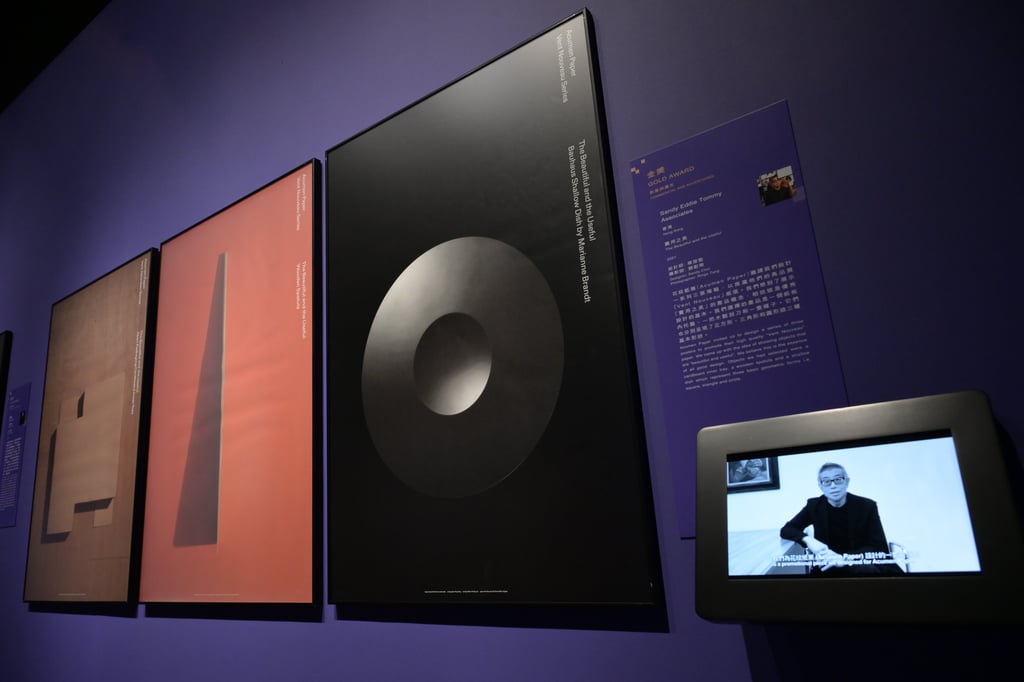
Hong Kong design unit Sandy Eddie Tommy Associates took home the Gold Award in the “Commercial and Advertising” category with “The Beautiful and the Useful” by designer Sandy Choi, featuring photography by Ringo Tang. The set of three posters showcases the sculptural forms of everyday objects, expertly highlighting the practicality and beauty of simple products while conveying the vision of the brand, Tang says.
On the future of animated posters enriched with cutting-edge technologies, Nguyen believes posters will go beyond animation and will react and interact with their surroundings or people around them. “AI is becoming a big thing as well. Like in proceduralism, designers work with algorithms and use generative modes to create works… we create the systems that generate the animation,” he notes. “We use AI as a tool, but we don't rely on AI to generate the work for us… The work is only as good as the person who's creating it, even if you're using AI.”
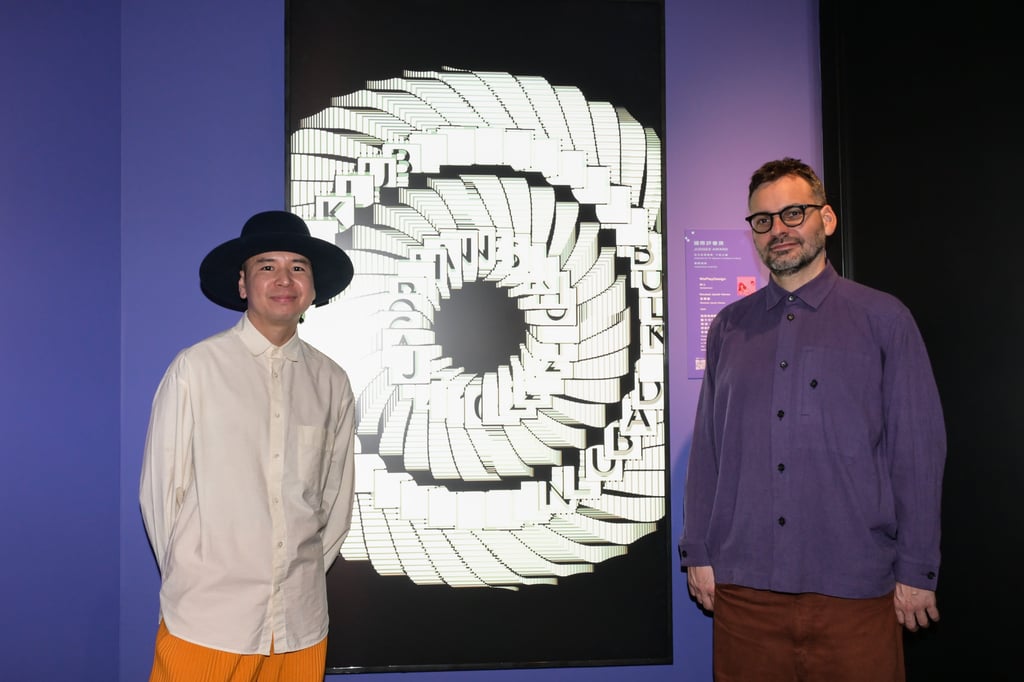
Posters as a medium are being redefined by technology. “We definitely see designs becoming more immersive, incorporating augmented reality, mixed reality, Vision Pro, among others, which allow you to not just look at something, but exist inside and interact with,” Nguyen notes, adding that animated posters can be like a portal into the digital universe.
Nevertheless, printed posters will coexist with their animated counterparts, Cutting says.
To fully showcase the visual impact of animated posters, the exhibition features a zone exclusively dedicated to two giant immersive projections of digital works by local designer and artist Henry Chu, who was also on the judging panel, and Tin&Ed, along with highlighted works by Thomas Widdershoven from renowned design studio Thonik in the Netherlands.
"Multiverse – Hong Kong International Poster Triennial 2024"
Venue:
Thematic Galleries 3, 4 and 5, 1/F, Hong Kong Heritage Museum
Date:
From now until May 5, 2025
Free Admission