Maestro Tan Dun champions Hong Kong’s unique art and cultural diversity on the mainland and abroad
- The globally acclaimed maestro dedicated to empowering young Hong Kong artists to shine on the domestic and international stage, shaping them into ambassadors of the city’s cultural narrative.
- He also envisions the world premiere of a ‘Tea Culture Festival’ as part of the forthcoming “Tan Dun WE-Festival” in Hong Kong.

[The content of this article has been produced by our advertising partner.]
Tan Dun, the Oscar-winning composer, world-renowned musician, and conductor has empowered Hong Kong’s young talents by providing them with global platforms, nurturing artists who are both technically proficient and engaged in international artistic dialogues since his appointment as Hong Kong’s Ambassador for Cultural Promotion.
“Hong Kong is a city where Eastern and Western cultures converge. My goal is to bring the city’s vibrant arts and culture to the world’s most prestigious stages, ensuring that Hong Kong’s voice is heard globally,” Tan says. “I lead young Hong Kong artists in collaborations with top orchestras and directors worldwide. Meanwhile, it is also vital that the city’s artistic identity remains deeply connected to its roots. That is why I guide young artists in exploring and sharing the most authentic and traditional aspects of Chinese culture.”
His mentorship of young Hong Kong artists underscores his commitment to expanding the city’s cultural influence. Recent initiatives include “High Mountains and Glaciers,” performed in Shanghai for UNESCO’s World Water Day in March 2025, featuring percussionist Karen Yu; and the “Tea” opera in Fuzhou with Yu, percussionist Elise Liu, and bass-baritone Apollo Wong. Soprano Candice Chung was starred in the “Tan Dun Earth Day – Tea Garden Opera Festival” in Yunnan this April and will perform Tan’s “Nature’s Requiem” with the Orchestre Philharmonique de Radio France and the Radio France Choir in July.
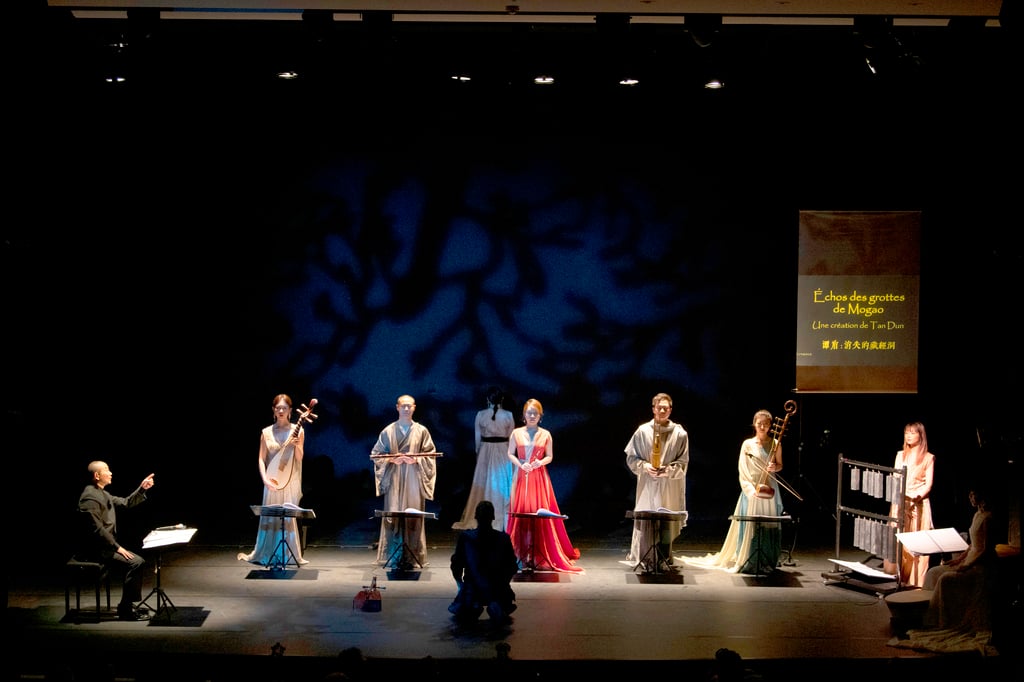
2024: A Fruitful Year
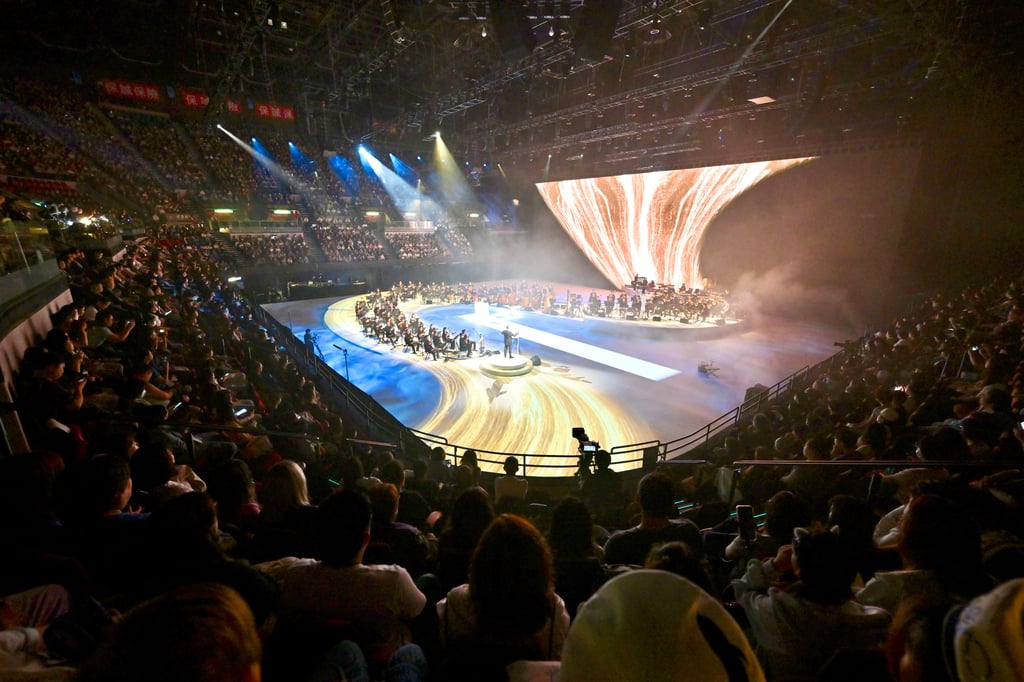
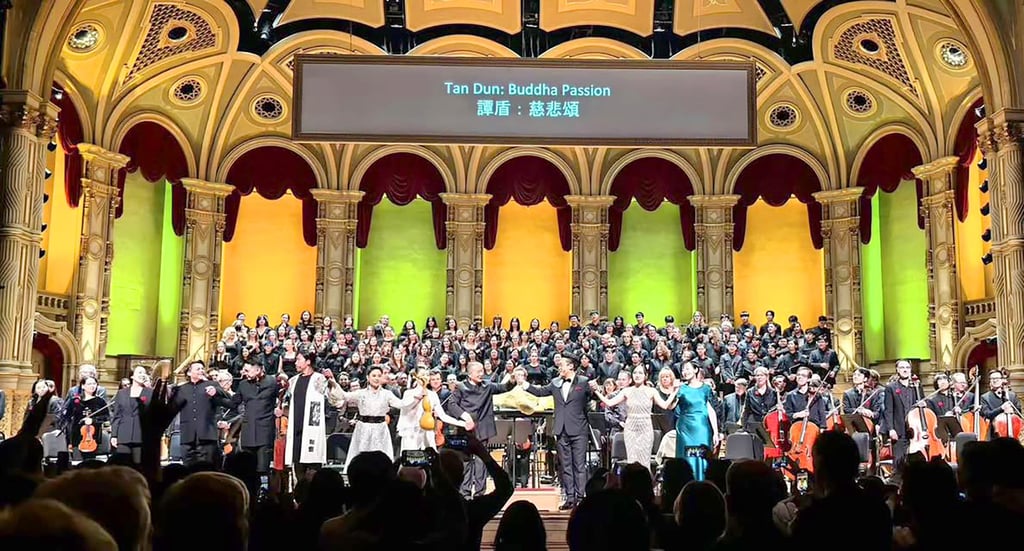
Pianist Rachel Cheung cherishes her involvement in “2024 Tan Dun Summer Music Festival” in Qingdao and Shanghai, where she performed in his reimagined “The Rite of Spring” by Stravinsky for two pianos and multiple percussionists alongside international artists. “Collaborating with global musicians has forged lasting friendships,” she says.
Since his appointment as Ambassador for Cultural Promotion, maestro Tan has led 15 young Hong Kong artists to perform in 28 showcases across mainland China and overseas. These performances have captivated global audiences by delving into themes of humanity, nature, and sustainability. Through his efforts, Tan is paving the way for a vibrant, innovative future for Hong Kong’s arts scene, fostering excellence, intertwining tradition with modernity, and amplifying the city’s distinctive ‘East-meets-West’ cultural identity, all in alignment with China’s National 14th Five-Year Plan.
“Hong Kong plays a pivotal role in merging old and new. My goal is to introduce avant-garde creations from the East to the West, while integrating the West’s emphasis on environmental preservation into these cultural exchanges. I believe this synergy can contribute to universal peace,” Tan says.
Blending Tradition and Innovation: Tan Dun WE-Festival
This June, the much-anticipated “Tan Dun WE-Festival” will spotlight the visionary artistry of Tan. Introducing his concept of ‘wei yi’—literally meaning ‘unique’ and ‘the only one’—Tan merges tradition with innovation to spark inspiring artistic dialogues. This second edition of the festival, themed around tea culture, draws on Tan’s extensive research into percussion music, which he describes as the ‘backbone’ of Chinese musical heritage, alongside the country’s revered tea traditions.
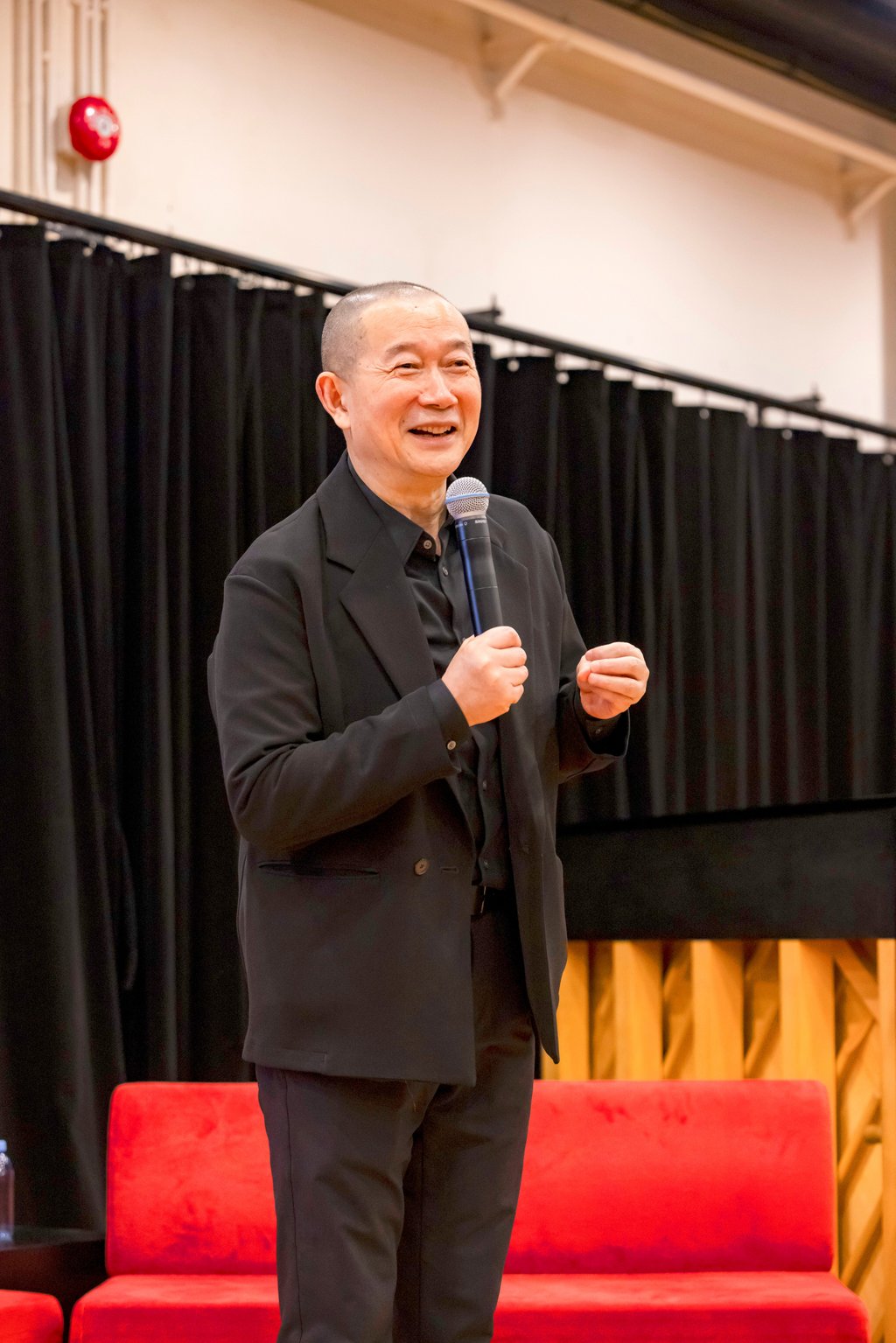
Another festival highlight will be “Lost Tang Dynasty Music and Dance Manuscripts: The Vanishing Mogao Caves,” showcasing Tang dynasty instruments and reflecting years of Tan’s research into Dunhuang’s forgotten music.
“The tea festival fosters dialogue through percussion music between artists from Chinese Tujia ethnic group and Hong Kong, alongside an artistic interplay blending Dunhuang ancient music, Western opera, and performances by artists returning from France,” Tan notes.