Taiwan targets blood-borne ‘silent killer’ hepatitis C, which affects 58 million people worldwide
- Island has about 400,000 cases of disease, with nearly 7,000 new cases annually, but most of those infected can be asymptomatic and unaware of their condition
- Health education and targeted screening – backed by Gilead Sciences’ research – aims to halt 90 per cent of infections and 65 per cent of HCV deaths by 2025
[Sponsored article]
Known as a silent killer, hepatitis C (HCV) – a blood-borne disease discovered in 1989 – affects an estimated 58 million people around the world and claimed about 290,000 lives in 2019. It is believed that 10 million people in Southeast Asia are chronically infected.
Although new antiviral medicines can cure nearly 98 per cent of cases, most people infected by the virus can be asymptomatic and unaware of their condition for decades, making diagnosis difficult and halting the spread an even bigger challenge. It also makes the disease more dangerous.
Dr Yu Ming-lung, chair professor at the College of Medicine at Kaohsiung Medical University, in Taiwan, says that single-use syringes – something many people now take for granted in everyday medical procedures – were not widely available in Taiwan 40 years ago, especially in less developed areas. As a result, HCV may have spread among residents in these rural communities through contaminated medical equipment. Mothers with the disease can also pass on the virus to their newborn children.

“There is no vaccine to prevent hepatitis C, so there are only two ways to prevent hepatitis C infection,” Yu says. “The first is health education; you need to identify and avoid risky behaviour. The second is to restrict the source of infection to avoid transmission.”
In 2019, the Taiwanese government reported that there were about 400,000 HCV cases on the island, with nearly 7,000 new infections each year.
“Half of the people living with hepatitis C are within the normal range [in terms of] their liver function,” Yu says.
“Once you begin to experience symptoms of hepatitis C, such as abdominal distension, vomiting blood, or losing consciousness, it means that your condition is severe.”
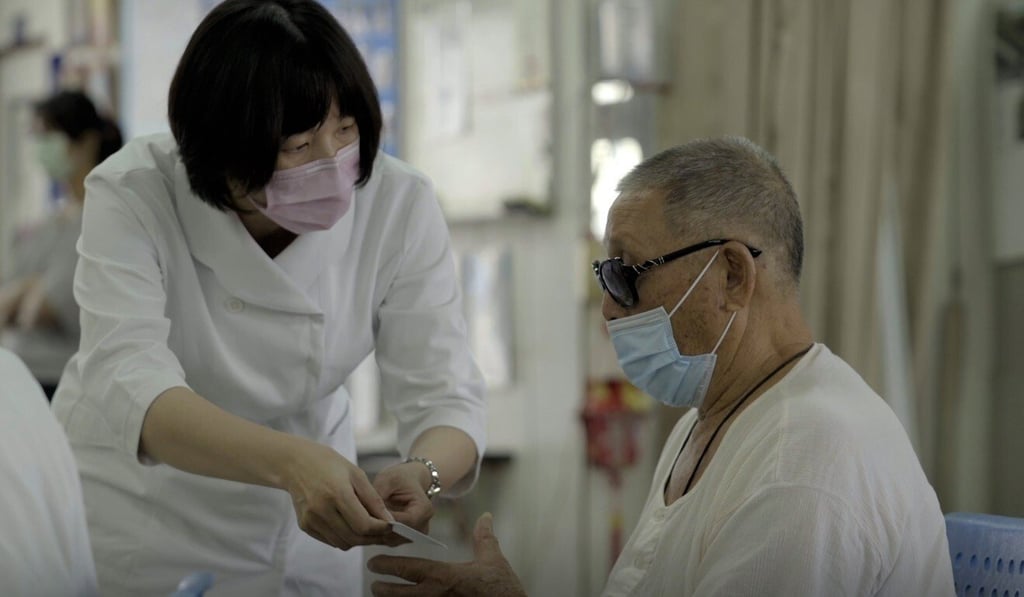
In May 2016, the World Health Assembly – the decision-making body of the World Health Organization – adopted the first global health sector strategy to eliminate viral hepatitis as a public health problem, which aims to reduce new infections by 90 per cent and deaths caused by viral hepatitis by 65 per cent by 2030.
However, Taiwan has committed itself to achieving these same goals five years earlier – by 2025.
HCV micro-elimination programmes may hold the key to the success of Taiwan’s ambitious goals. Micro-elimination is a strategy to gradually achieve comprehensive elimination goals starting with specific segments of the population. The selection of groups of the population for micro-elimination initiatives includes those facing a higher risk or burden of hepatitis to help reach marginalised communities.
Tsai Liang-jian, 70, chief of Chikan village in the Tzukuan district of Kaohsiung, Taiwan’s second largest city, was one of the many HCV virus carriers diagnosed during one of the programme’s outreach efforts in the district by Taiwan Liver Research Foundation.
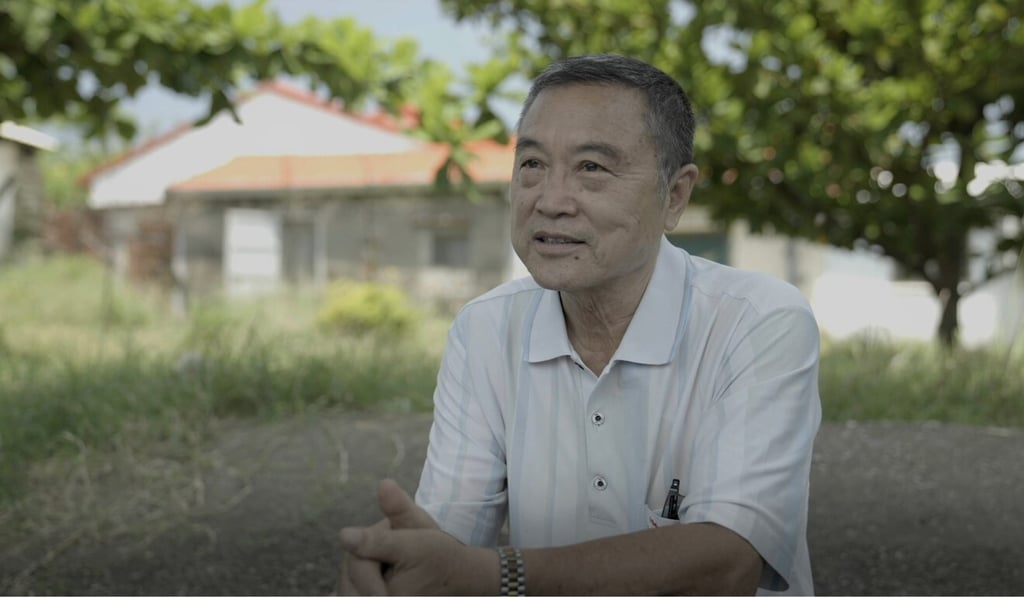
The experience made Tsai realise the importance of raising awareness to combat the disease. He and another Tzukuan resident, Kuo Xian-bao, 69, who was also found to be HCV positive, began to travel around the local community to promote the screening service offered as part of the hepatitis C micro-elimination programme run by Kaohsiung Medical University and the Taiwan Liver Research Foundation. The campaign efforts have shown positive results – inspiring many residents to get tested.
Micro-elimination can also build support and generate momentum for comprehensive elimination by demonstrating early success. The Taiwanese government has lowered the threshold for treatment and expanded funding to cover the cost of new drugs. Between 2017 and 2019, the number of people living on the island receiving new drug therapy more than quadrupled – rising from fewer than 10,000 people to about 42,000.
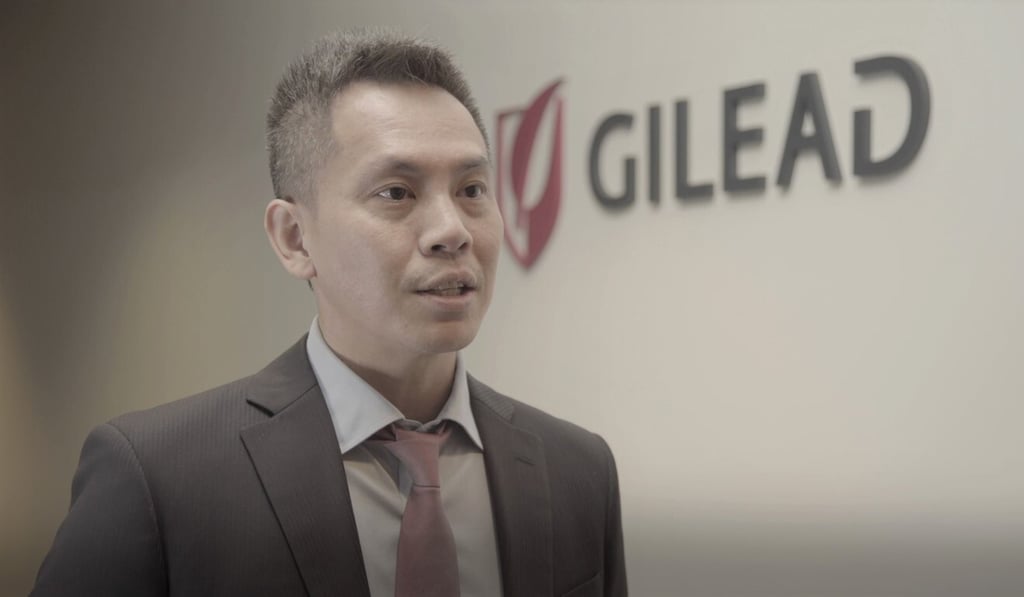
David Lin, country medical director at the research-based pharmaceutical company Gilead Sciences Taiwan, says: “We understand the importance of industry, government and academia collaboration in eliminating hepatitis C. Through academic research, we are supporting Dr Yu’s hepatitis C micro-elimination programme in remote areas.”
Lin believes that Taiwan’s superb research and best practices can set a good example for medical professionals around the world.
Yu says: “As a doctor, it is our basic duty to help address our patient’s medical needs and preserve their health. But if we can also help their family or relatives to solve the same [challenges] simultaneously, it will be the proudest moment for us as medical practitioners.”