Samsung Bioepis to accelerate innovations in biosimilar treatments, to meet demand for affordable health care
- The biopharmaceutical arm of Samsung Group is focusing on providing affordable health care options to patients
- In less than a decade, Samsung Bioepis has become a key player in the sector, by expanding its biosimilars portfolio

Samsung Bioepis is expanding its presence in the biopharmaceutical sector in what it says is a move to improve access to health care. The South Korean company, which is the biopharmaceutical arm of the Samsung Group, plans to use its technological know-how to create products and services that contribute to a better global society.
Samsung Bioepis was established in 2012 to provide affordable health care to patients, especially those who had limited options previously due to the high costs of treating certain diseases. The company uses a data-driven approach in its biosimilar development processes – from the preclinical stage to large-scale manufacturing – to produce cost-effective medication in a short period of time.
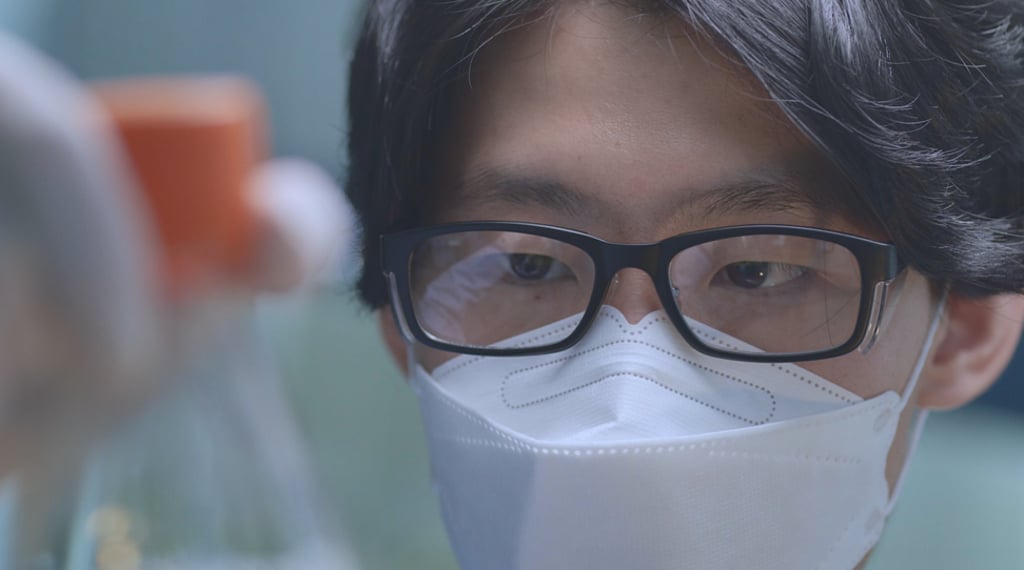
According to the US Food and Drug Administration (FDA), biosimilars are biologic drugs that are highly similar to biologic products that have been approved for use, which are known as reference products. Biologic products are made from molecules from living micro-organisms or animal cells, and developed into medicines using advanced biotechnological techniques.
As biologic medicines are developed from living organisms, the complex nature of their components makes it impossible for manufacturers to create identical versions, even among different batches of the same reference medicine.
Biosimilar products gain regulatory approval by being highly similar to reference products. Studies show biosimilars have no clinically meaningful differences in terms of safety, quality and efficacy when compared with their reference products, according to the European Medicines Agency.
Biosimilars are typically less expensive to produce because they are based on existing reference products. This means the approval process for biosimilars is shorter, as fewer clinical trials are required to demonstrate similarity, which in turn significantly reduces costs.
With an increased use of cost-saving biosimilar products to treat certain diseases, the global biopharmaceutical sector is in transition. The size of the global biosimilars market reached US$15 billion last year, and estimates suggest it could top US$60 billion by the end of the decade, management consulting firm McKinsey reported in June.
Europe is one of the fastest-growing markets for biosimilars. More than 60 such products have been approved for use there, making up half of the global biosimilars market by value, the McKinsey report noted.
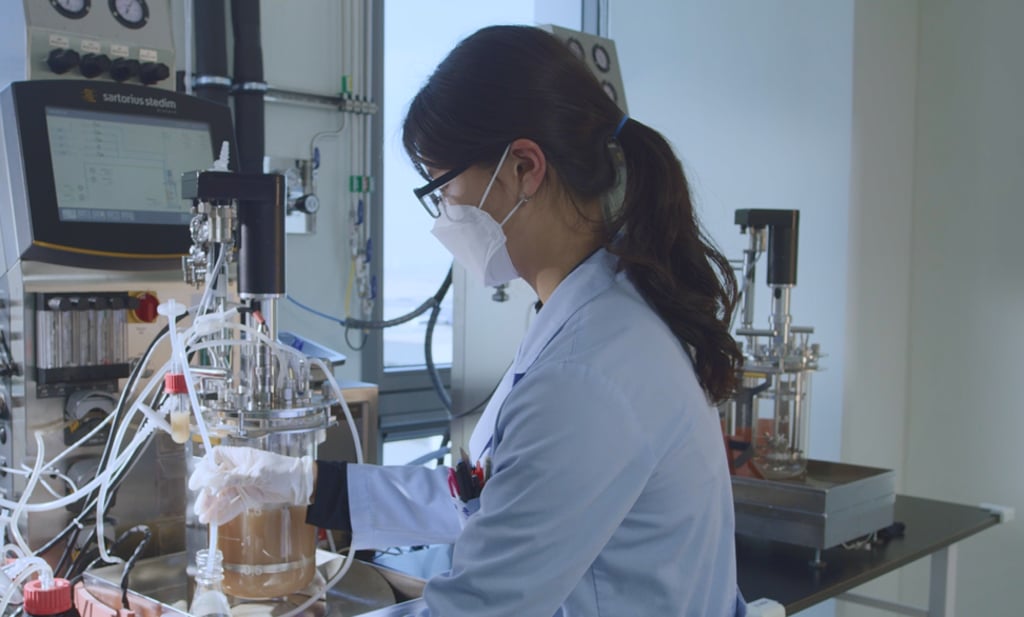
In less than a decade, Samsung Bioepis has become a major player in the biopharmaceuticals sector, achieving this by expansively developing its biosimilars portfolio. The company says its innovative approach to biosimilar development has allowed it to produce cost-effective medicines in a shorter period of time without compromising safety or quality. Stringent controls help the company to improve its processes and refine its biosimilars portfolio, which in turn give it a competitive edge, the company adds.
The information provided in this article is for educational and informational purposes only, and is not intended to be – and does not constitute – medical advice, pharmaceutical advice, an invitation to purchase, to consume, or any other advice. All content provided by our sponsors is purely their opinion, and SCMP does not warrant or represent that they are factually correct, and will not be responsible for and will disclaim all liability to the extent permitted by law should you decide to take any action. Please conduct your own due diligence and consult your own professionals or doctors if deemed necessary.