Exhibition showed rare treasures of ancient Afghanistan
[Sponsored Article]
“Glistening Treasures in the Dust - Ancient Artefacts of Afghanistan”, held at the Hong Kong Museum of History recently, displayed artefacts excavated from four famous archaeological sites in Afghanistan.
Featuring 231 sets of precious relics on loan from the National Museum of Afghanistan, this exhibition was the first time that the Hong Kong public got to see up close and personal the treasures of this war-torn country, which has been at the crossroad between the east and west for millennia. As an important cultural intersection on the Silk Road, Afghanistan’s cultural heritage is a fascinating mix of world civilisations.
Director of the National Museum of Afghanistan, Mohammad Fahim Rahimi, said at the opening of the exhibition last year: “This exhibition is very important to us because we want to show the different faces of Afghanistan. Normally you see the depictions of war, poverty and lots of other problems when it comes to Afghanistan, but when this exhibition travels around the world, it changes the perspective of the people. You can see Afghanistan has been a famous nation in history and can offer good potential for future cooperation with other countries.”
The artefacts, including goldware, glassware, bronze sculptures and ivory carvings, were unearthed from four famous archaeological sites, namely Tepe Fullol, Aï Khanum, Tillya Tepe and Begram. There are visible influenced from the Greek, Indian and Roman cultures as well as other neighbouring regions, dating back from the Bronze Age to the first century AD. They are an embodiment of cultural diversity including features of different steppe cultures.
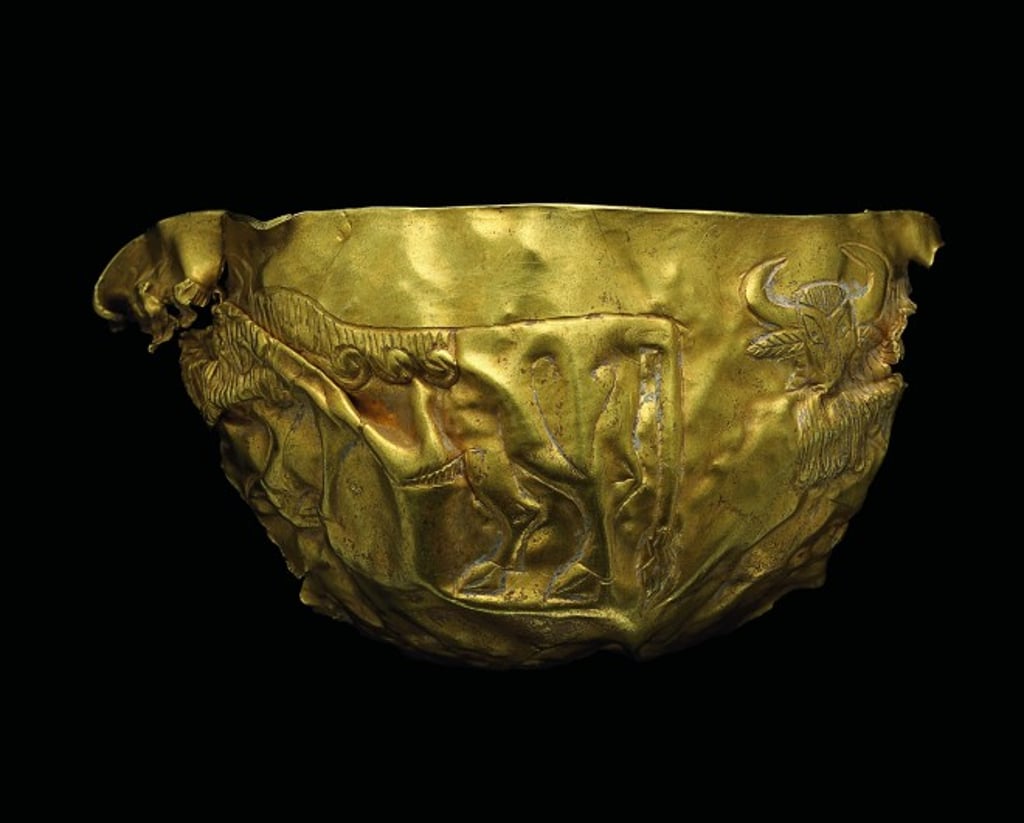
Discovered accidentally by farmers in 1966, Tepe Fullol is a village in northern Afghanistan where the treasure of Fullol from the Bronze Age was found. Several pieces from the find were exhibited including a golden bowl that features a relief of a bearded-bull motif.
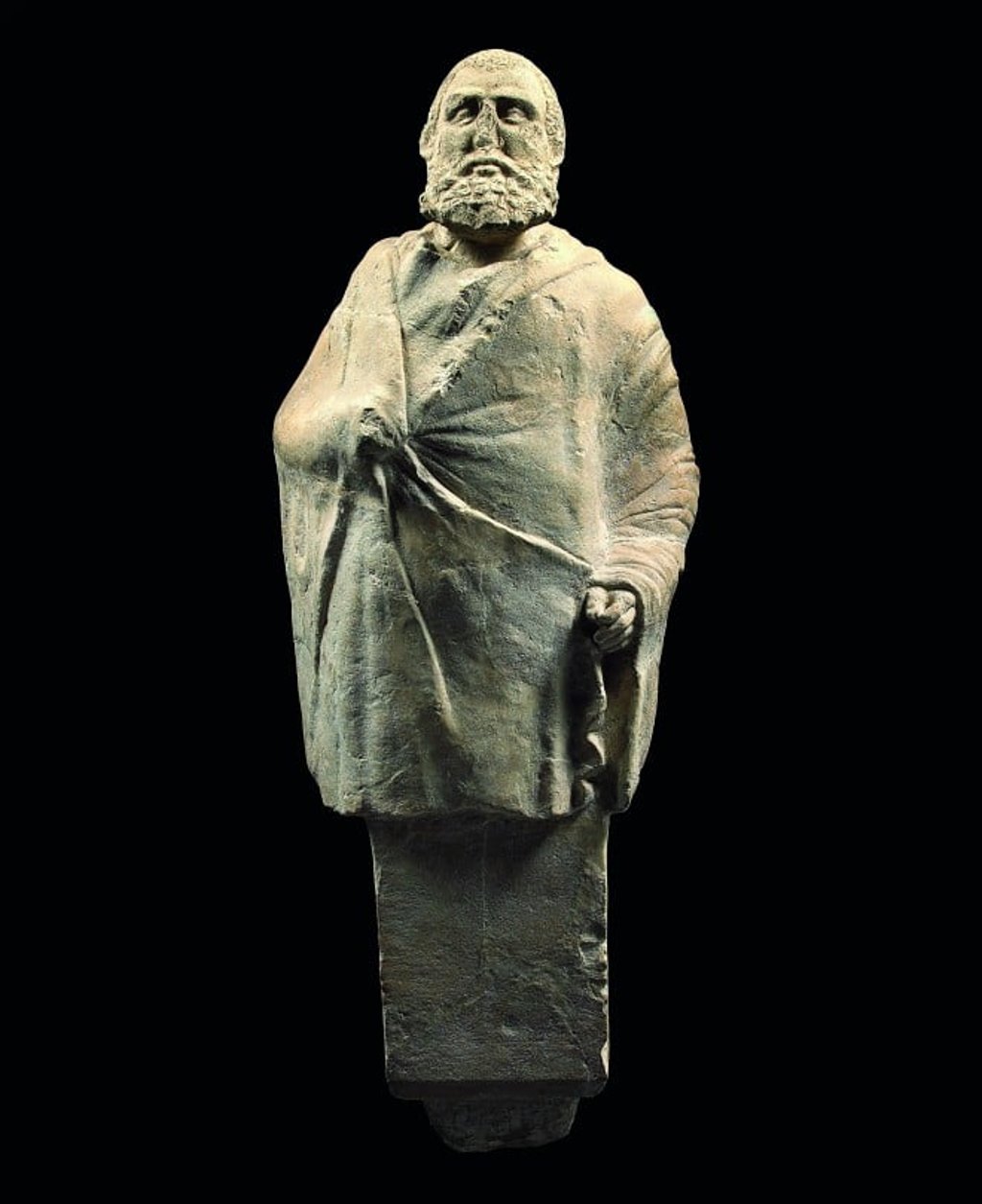
Ai-Khanoum was one of the primary cities of the Greco-Bactrian Kingdom, and might have been founded in the late 4th century BC, following the conquests of Alexander the Great. One of the artefacts on display, a decorative plate with Cybele, shows the footprints of Hellenisation. Numerous colonnades and a Hermaic pillar indicate an indisputable link to Greece.
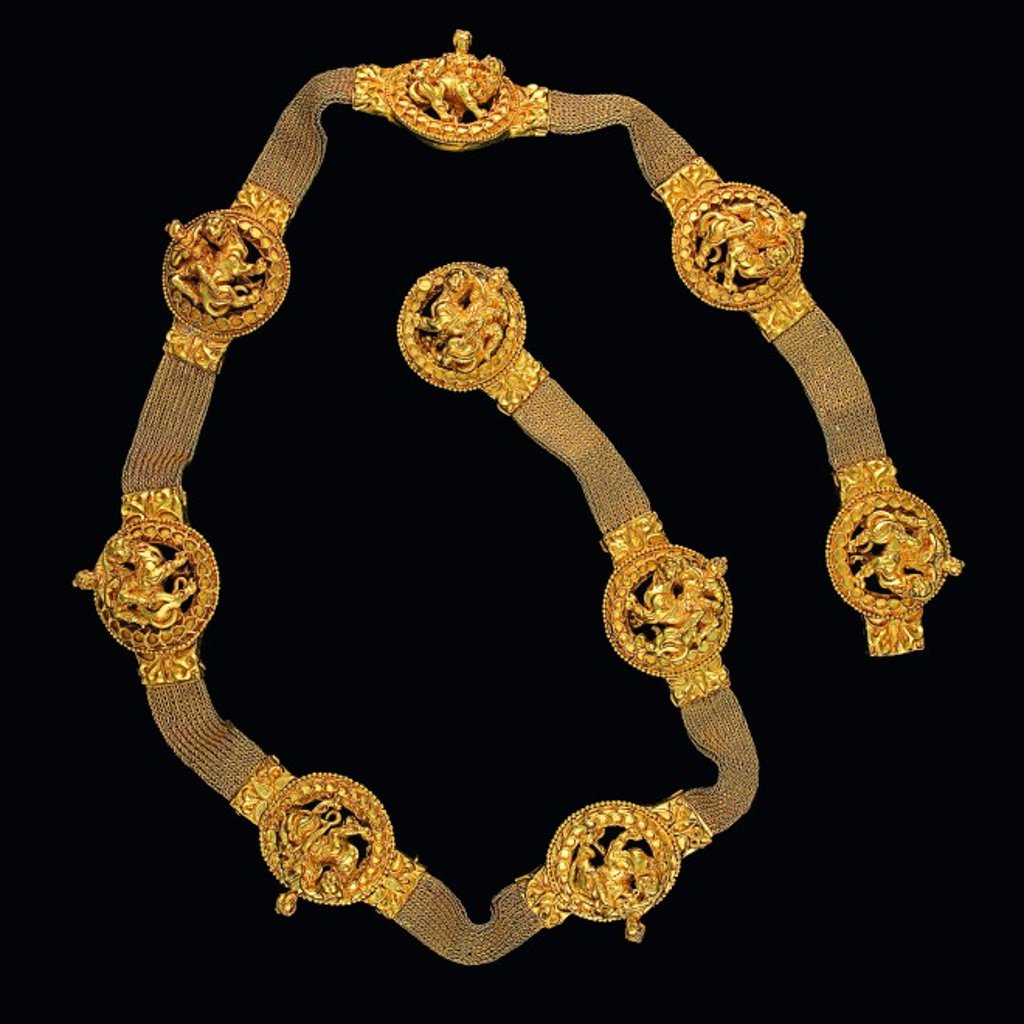
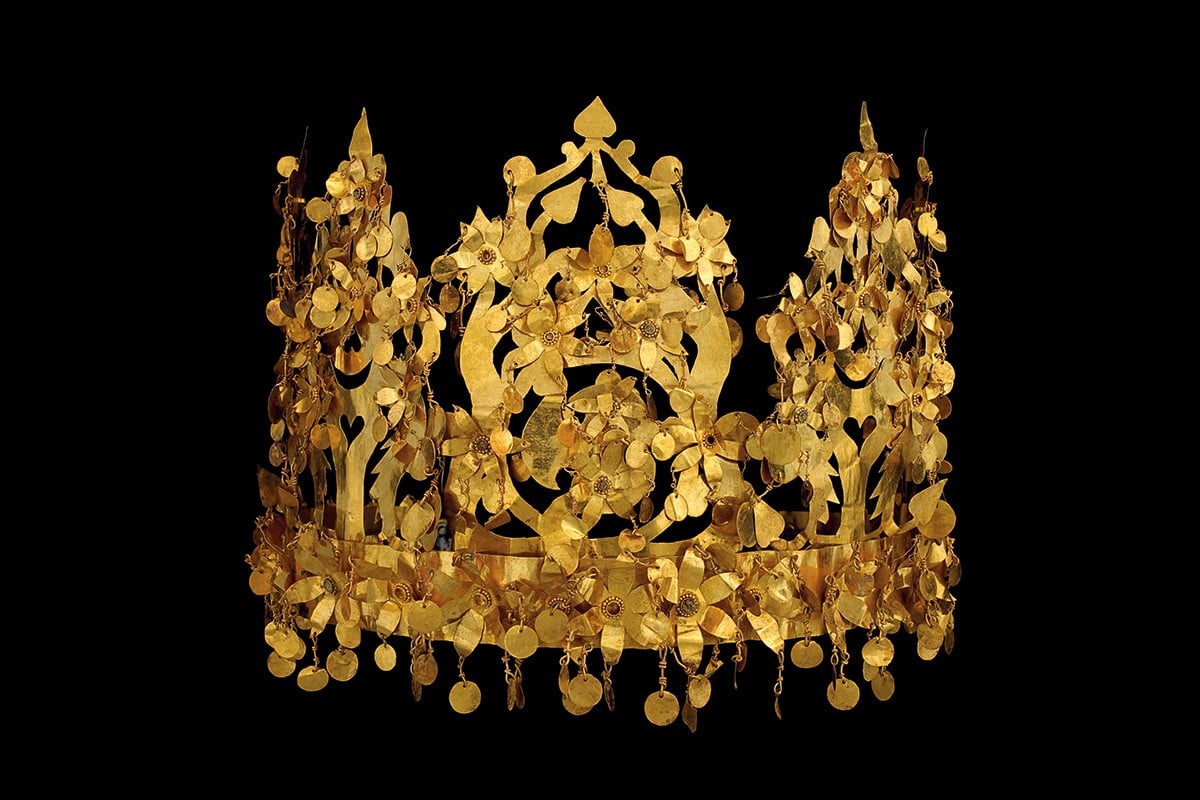
Tillya Tepe, or Hill of Gold, was excavated in 1978 and 1979 with a hoard of around 20,600 items found in six burial mounds of five women and one man, all wearing elaborate and exquisite jewellery dated to the first century AD. Their nomadic lifestyle manifests in a golden crown that can be disassembled for travelling. The sheer amount of intricate gold pieces adorned with turquoise and lapis lazuli shows the owners’ wealth and status, as well as the artistry of the time. In particular, a resplendent gold belt piques interest not only for its grandeur, but also for the buckles that show either Dionysus, the Greek god of wine or the Kushan goddess Nana. An interesting comparison was provided on a touch screen for viewers to make up their own minds over this archaeological mystery.
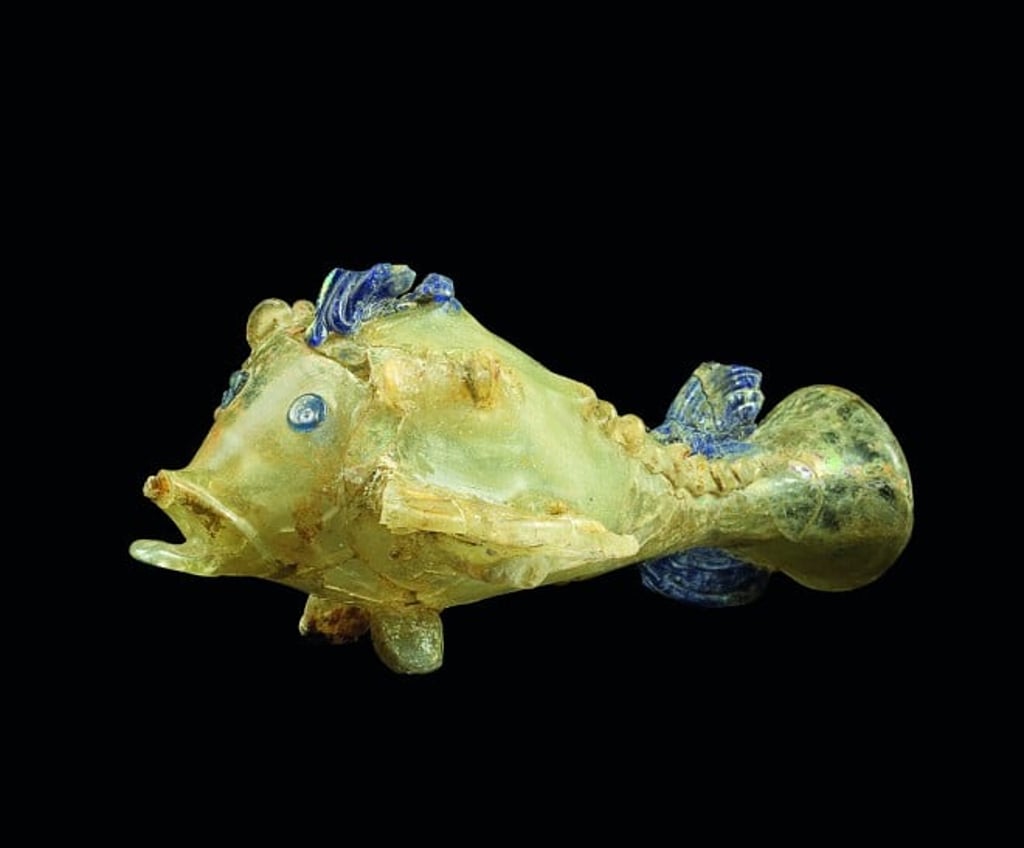
The location of Begram is situated on a key passage to Ancient India along the Silk Road, making its archaeological finds a confluence of cultures and a witness of trade. The statuettes of a goddess have a distinct Indian influence, while the set of glass fish shows the Roman glass blowing technique travelling all the way east to Begram. The collection also included Buddhist artefacts including a plaque with the Jataka scene of the Buddha’s previous life.
Joyce Ho, Curator (Collection and Dr Sun Yat-sen Museum) of the Hong Kong Museum of History, explained that Hong Kong was the 29th stop of the exhibition so the curating team tried not to replicate what had been done in the previous stops. They used an original archaeological report to try to uncover the context and essence of each artefact.
She said: “Since Afghanistan has been at a crossroad of civilisations, we also provided references to other cultures, e.g. a photo of an artefact from around the same period, to show how they are similar or different so that viewers could make their own judgments.”
The exhibition also featured multimedia such as touch screens and animations to offer a detailed look or more comprehensive perspective for these artefacts. A video documenting the preservation efforts by Afghanistan and international archaeologists was shown at the end of the exhibition to give viewers a sense of their arduous undertakings.