How high-density, high-rise Hong Kong uses green buildings to help fight climate change
- Non-profit organisation Hong Kong Green Building Council works to raise awareness about need for Hong Kong to create sustainable eco-friendly environment
- City’s 42,000 buildings, including 8,000 high-rises, consume 90 per cent of its electricity and contribute to 60 per cent of greenhouse gas emissions

[Sponsored article]
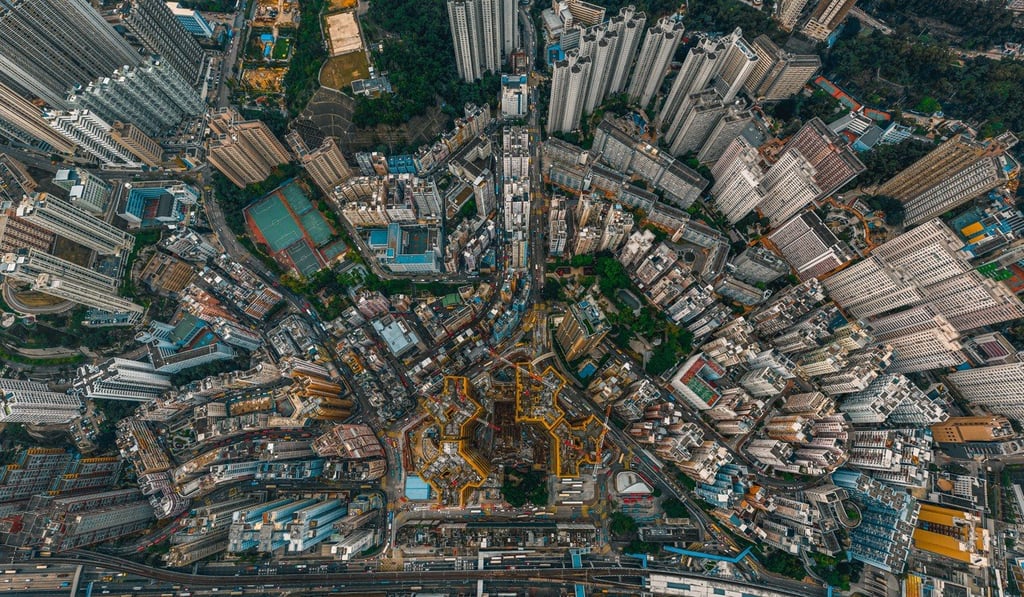
It should have come as no surprise to people living in Hong Kong that this year the city was ranked fourth in a list of the world’s most densely populated places. The city’s most crowded, high-rise district is Kwun Tong, which has up to 55,200 people per square km.
In the summer the tropical heat and humidity seem to engulf everything as residents walk along the street: within minutes they are drenched in sweat.
Hong Kong has lots of multi-owned buildings. It’s hard to get so many different owners to spend money. Regulations are therefore extremely important to driving the energy efficiency of existing buildings
Those people who have lived here long enough might remember that things did not seem to be as bad in the past.
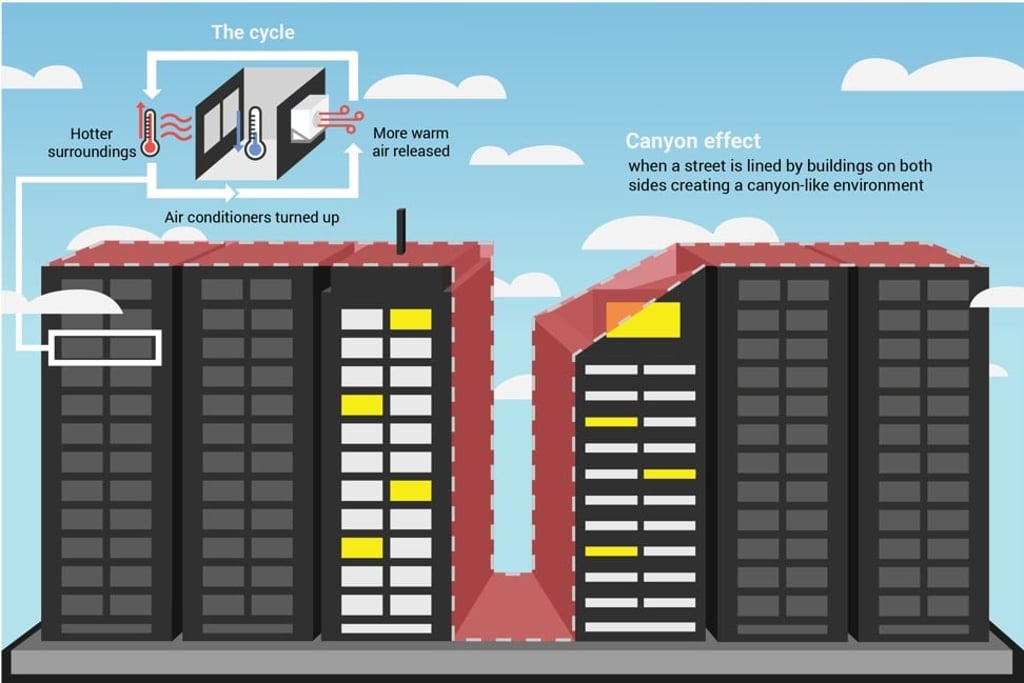
The city’s increasingly high-density, high-rise environment of streets flanked by tall buildings has created what is known as a “canyon effect”, which can influence temperature change and lead to a vicious cycle where the hotter the surroundings become, the more residents turn up their air conditioners and release warm air outdoors.
However, there is a bigger picture: urban activities are the major sources of greenhouse gas emissions. The world’s cities are believed to be responsible for 75 per cent of global carbon dioxide emissions, with transport and buildings two of the largest contributors, the UN Environmental Programme reports.
These are problems that non-profit Hong Kong Green Building Council (HKGBC) is trying to tackle by promoting the development of sustainable buildings in Hong Kong.
Good design can help save resources in the construction process and during a building’s life cycle. We also need to build buildings that last 100 years, not 50: this will reduce demolition and repair work
Buildings have a huge impact on the environment – accounting for 39 per cent of global energy emissions, 50 per cent of global material use and the annual use of 42.4 billion tonnes of materials.
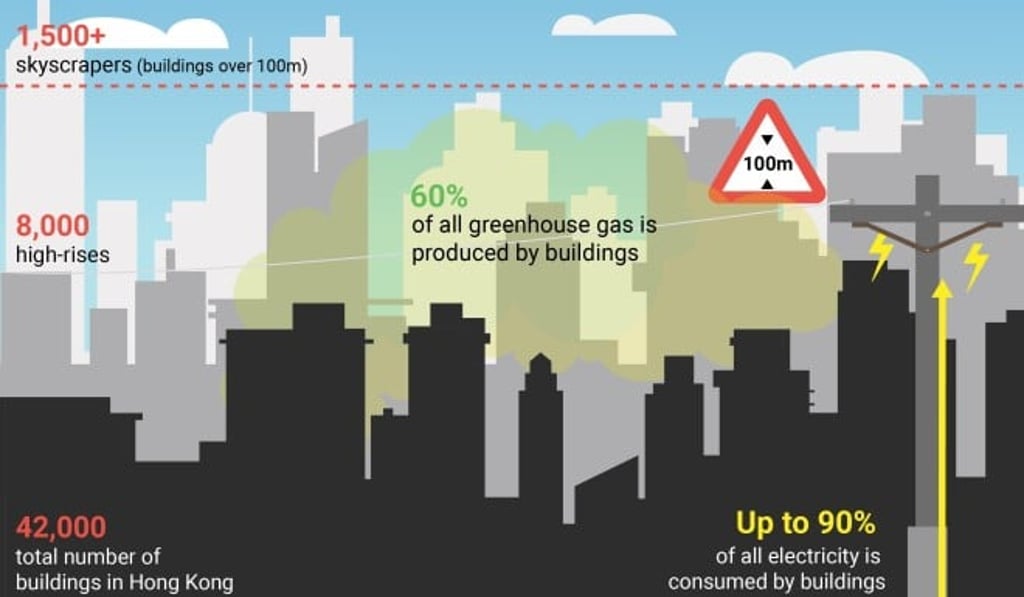
Hong Kong’s property development, which comprises 42,000 buildings, including about 8,000 high-rises – of which more than 1,500 are skyscrapers exceeding 100 metres in height – consumes up to 90 per cent of the city’s electricity and contributes to 60 per cent of the city’s greenhouse gas emissions.
To ensure the city is a healthy and enjoyable place in which to live, HKGBC was established in 2009 to raise awareness among the public, business and government about the need for a sustainable, eco-friendly building environment.
It serves as a platform for the exchange of ideas about making Hong Kong’s buildings greener and as a source of information on global best practices for architects, developers, the construction industry, the government and the public.
One such resource was the World Sustainable Built Environment Conference 2017 held in Hong Kong, which saw 1,800 industry professionals, academics, green building advocates and policymakers from 55 nations discuss green building problems affecting their locales.
HKGBC also works with stakeholders to create practical, Hong Kong-centric solutions to cut the city’s carbon emissions and help it meet climate change targets set out in the Paris Agreement, where nations pledged to undertake ambitious efforts to combat climate change such as keeping global temperature rises within 1.5 degrees Celsius (34.7 degrees Fahrenheit).
It recently committed to Advancing Net Zero, a World Green Building Council (WorldGBC) charter, which aims to promote and support the acceleration of net-zero carbon buildings – those that emit near zero carbon by reducing energy consumption, improving energy efficiency and the use of renewable energy coupled with the decarbonisation of Hong Kong’s electricity supply.
Green building is a very important solution to decarbonise in Hong Kong
“We’re talking about government commitment, country commitment and industry commitment,” says Cary Chan, executive director of HKGBC and vice-chair of WorldGBC’s Asia Pacific Regional Network.
“We need to have a lot of campaigns, so people understand what they have to reduce their emissions by.”
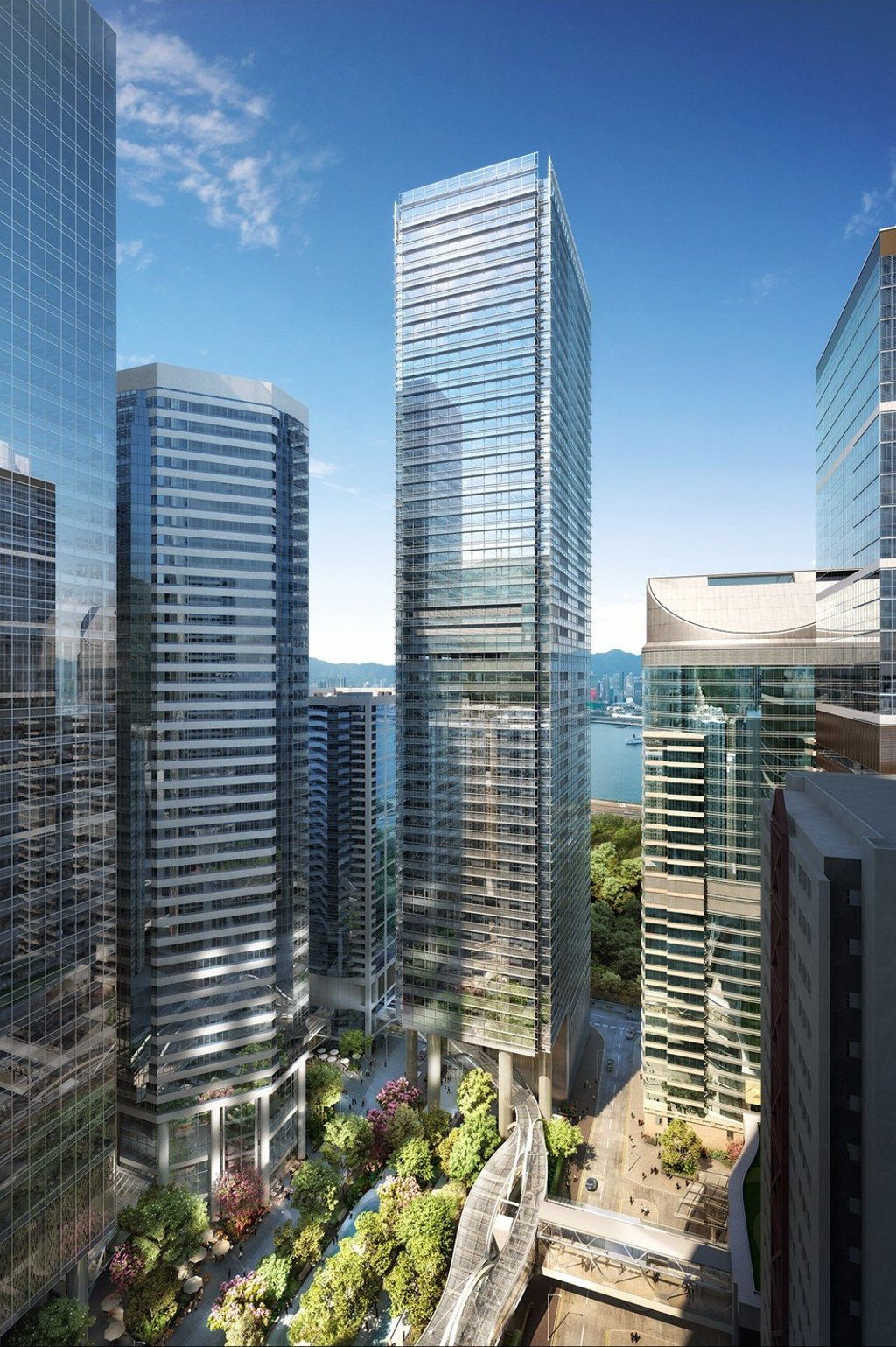
Chan previously spent 30 years working in the commercial sector, most recently managing sustainability for Swire Properties, including instigating consultations on One Taikoo Place, one of Hong Kong’s most energy-efficient buildings, which is certified Platinum under HKGBC’s green building standard, BEAM Plus.
Wong Kam-sing, Hong Kong government’s Secretary for the Environment, says the government is fully behind the charter.
“Green building is a very important solution to decarbonise in Hong Kong,” Wong says.
Ada Fung, director of WorldGBC and a director of HKGBC, says of the charter’s target: “We need to get new [buildings] there by 2030. For all other existing buildings, the target is 2050.”
Fung, a trained architect, who was deputy director of housing development and construction at the government’s Housing Authority until 2017, says planning and design will be very important to the success of Advancing Net Zero.
“Good design can help save resources in the construction process and during a building’s life cycle,” she says.
“We also need to build buildings that last 100 years, not 50: this will reduce demolition and repair work.
“And we need to minimise embodied carbon. If we can save resources and materials, we can reduce the amount of carbon dioxide emitted in the process of manufacturing building materials and getting them to building sites. That’s embodied carbon.”
For HKGBC, reducing the carbon embodied by building products and materials from the point of sourcing right through to wastage will be a major focus of its efforts under Advancing Net Zero.
That is why it has instigated the CIC Green Product Certification, a new certification scheme covering not only the carbon footprint, but also efficiency, performance, toxicity to humans, impact on ecosystems, resource consumption and environmental management systems.
The new certification will come into effect at the start of 2020, merging two existing schemes, the Carbon Labelling Scheme and HK G-PASS, and featuring 28 product categories and 110 certified products.
Fung says education will be vital if HKGBC is to meet its goals. “In terms of strategy, we can’t afford to have too many bites of the cherry,” she says. “It’s about one holistic action – that will be the work of Cary.”
Chan says: “Hong Kong has lots of multi-owned buildings. It’s hard to get so many different owners to spend money. Regulations are therefore extremely important to driving the energy efficiency of existing buildings.”
Consumers look for incentives. If there’s a benefit from doing something – whether savings on water bills, electricity bills or something else – they’ll do it
HKGBC also works with other parties to encourage the development of regulations – including the Buildings Energy Efficiency Ordinance, Building Energy Code and Energy Audit Code – to make Hong Kong’s existing and new buildings as energy efficient as possible.
Retrofitting existing properties with energy-saving technologies and retro-commissioning buildings by making operational improvements, such as scheduling, or combining and adjusting the temperature of its many air conditioning systems, can help to save energy and improve their efficiency.
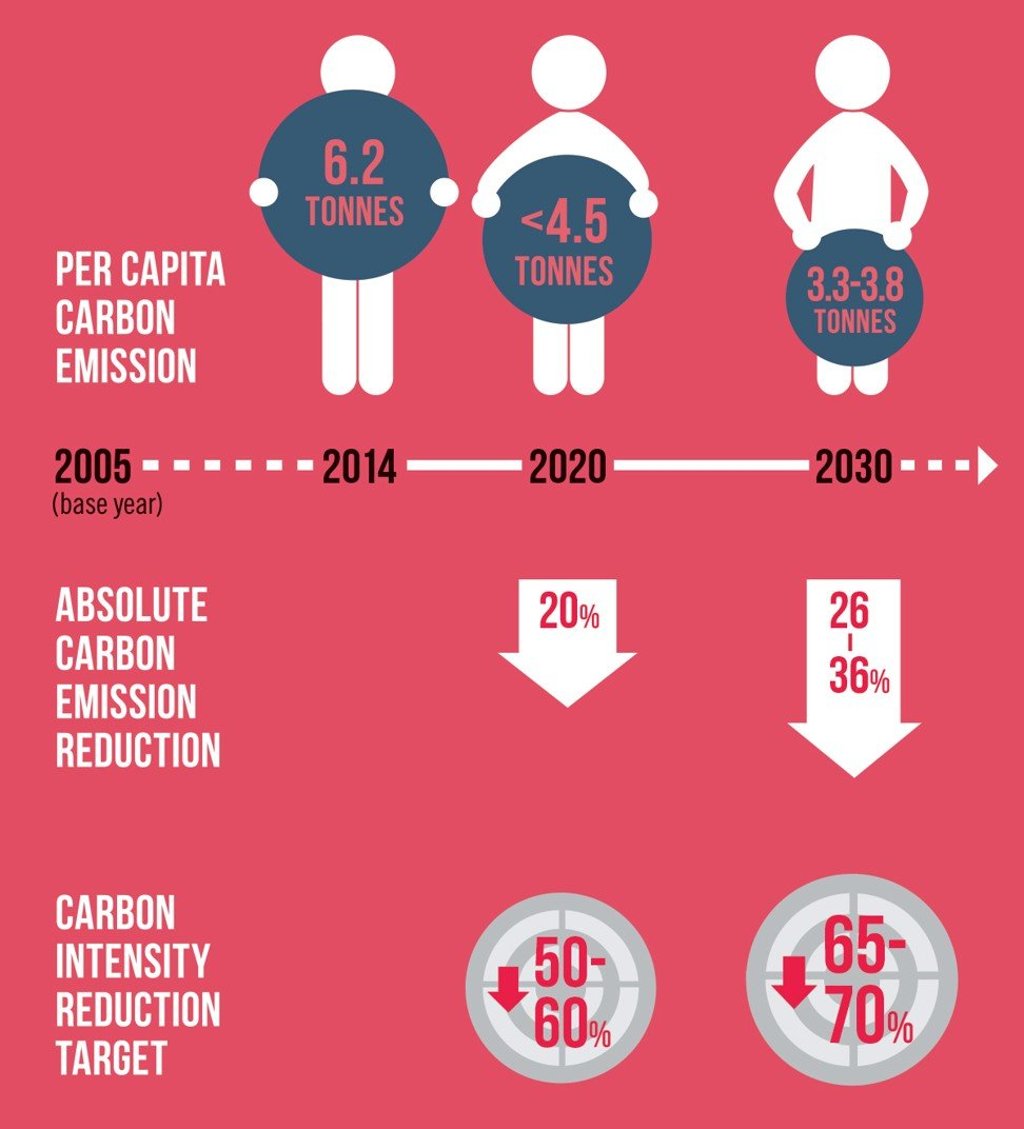
Improving the performance of existing buildings is now part of the Hong Kong’s Climate Action Plan 2030+ report, which sets out the city’s carbon emissions targets for 2030 and what it needs to do to achieve them.
Chan says for the past four years HKGBC has been working with the city’s top 20 developers by using “real buildings as living laboratories” to test its retro-commissioning methods so that construction companies can train their staff.
The programme has been so successful that the government has engaged HKGBC to drive recommissioning throughout the city.
Green building development in the last 10 years in Hong Kong has made huge progress from being a new concept to a mainstream movement … and inspired many types of developers … to look further into environmental and social impacts and benefits
Indeed, HKGBC’s efforts as a whole have been very effective over the past decade.
Ellie Tang, head of sustainability at New World Development, says: “Green building development in the last 10 years in Hong Kong has made huge progress from being a new concept to a mainstream movement.
“It has inspired many types of developers, whether they are private or government or infrastructure, to look deeper into how to construct quality buildings and how to enhance existing buildings by considering different factors, apart from spatial [and] financial, and look further into environmental and social impacts and benefits.”
As well as inspiring developers, HKGBC is also looking to educate investors and get them to fund and develop green technology and sustainable solutions.
Chan says: “If you can get the government and investors working together, everything will fall into place.”
Fung says it is also important to educate the public. “If they demand sustainability, then developers and investors will change,” she says.
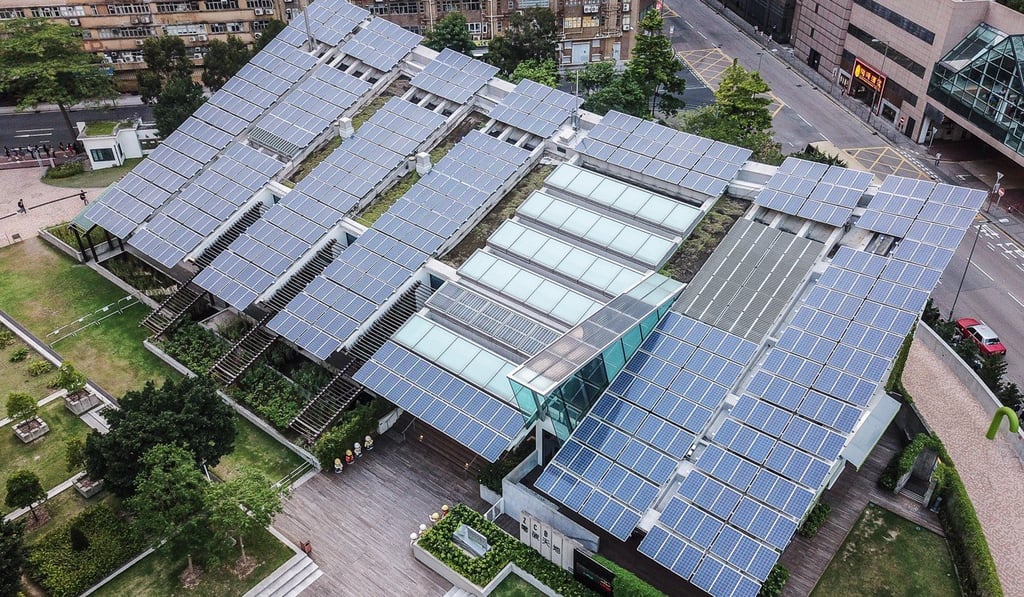
HKGBC uses campaigns such as the annual Hong Kong Green Building Week, first held in 2013, to promote its campaign. This year’s event, with the theme of “Green Building Exploration” – held in September at CIC – Zero Carbon Park, in Kowloon Bay – showcased green buildings and practices in Kowloon East.
“Consumers look for incentives,” Fung says. “If there’s a benefit from doing something – whether savings on water bills, electricity bills or something else – they’ll do it.”
Improving the “liveability” through things such as green landscaping, better ventilation, air quality, or shorter distances to public transport and recreational facilities will also resonate with Hongkongers.
“It’s about how a building is healthy – and how it makes them happy,” Fung says.