How Hong Kong drives strong sustainable building performance through comprehensive assessment tool
- BEAM Plus rating tool designed to guide city’s transformation into green built environment through use of clear world-leading standards
- Non-profit organisation Hong Kong Green Building Council backs change in city where buildings are responsible for 60 per cent of carbon footprint
[Sponsored article]
Establishing Hong Kong as a sustainable city for the future was the driving force behind the creation of BEAM Plus, the city’s green building assessment tool.
This fair and objective green building assessment standard is one of the many tools the Hong Kong Green Building Council (HKGBC), a non-profit organisation raising awareness of sustainable development, is using to educate the construction and building industry about reducing Hong Kong’s greenhouse gas emissions.
Buildings are responsible for 60 per cent of the city’s carbon footprint.
“BEAM Plus guides the development of industry standards, best practices, education and research,” Colin Chung, director of HKGBC, says.
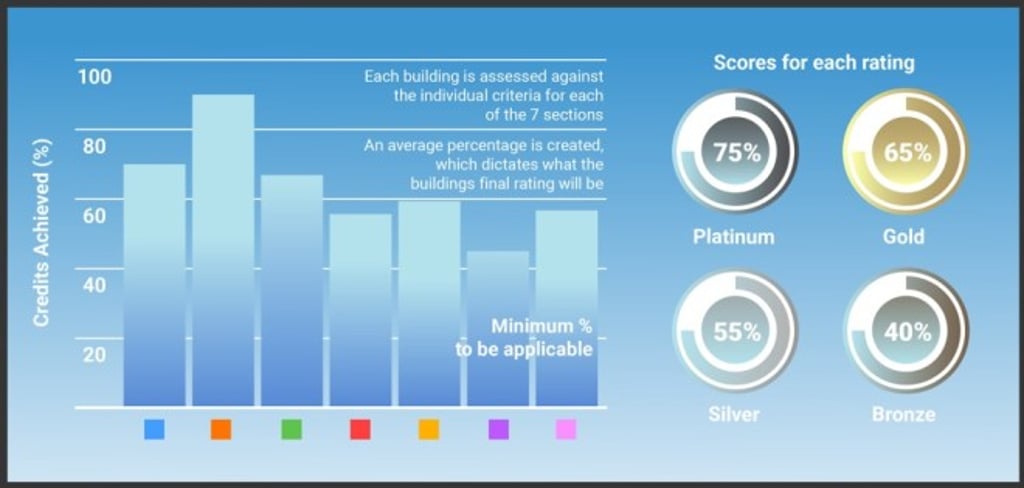
Developers must meet a set of criteria set out by BEAM Plus for their buildings to be classified as sustainable.
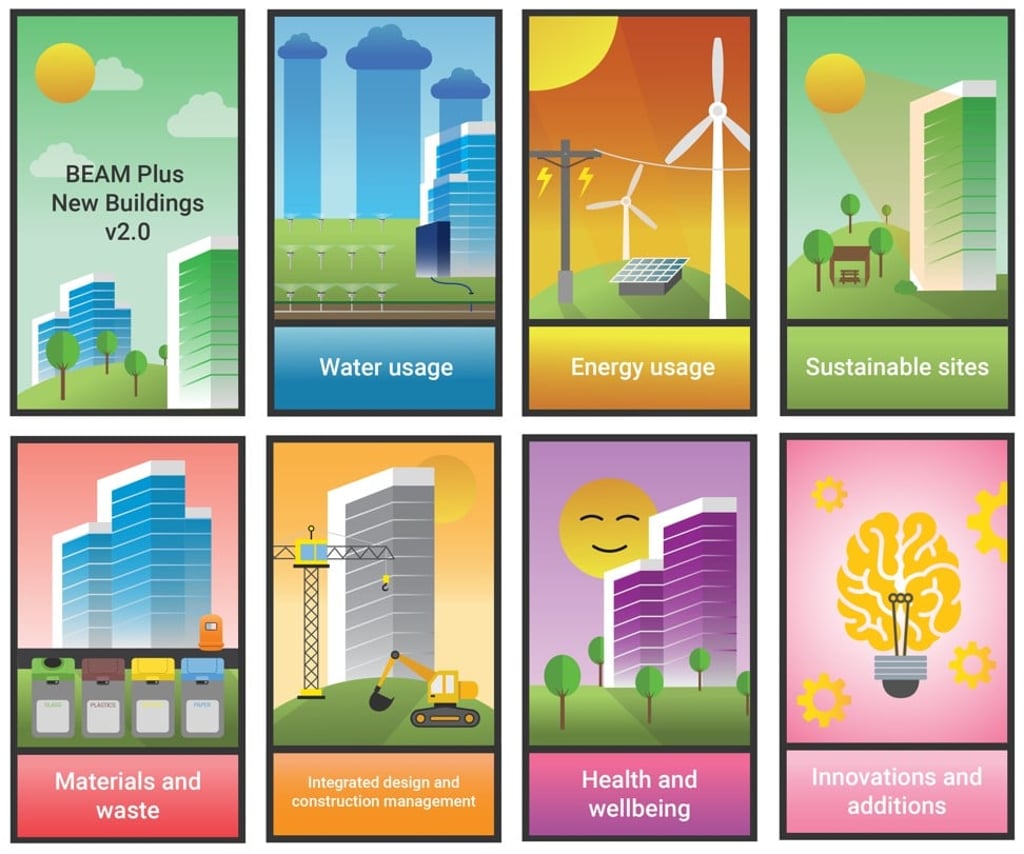
BEAM Plus had its beginnings as HK-BEAM, which was launched in 1996 by the BEAM Steering Committee, made up of the Real Estate Developers Association of Hong Kong, Planning Environment and Lands Bureau, Swire Properties, Hongkong Land, Hong Kong Polytechnic University and Business Environment Council.
HK-BEAM’s initial focus was on new and existing offices, but this was expanded to cover residential buildings in 1999 and new and existing building developments in 2004.
In 2010, the BEAM Steering Committee became the BEAM Society, and in 2012, HK-BEAM became BEAM Plus Version 1.2 for New Buildings and Existing Buildings.
“The 2012 enhanced version addressed some of the issues raised in the report, Roadmap for Green Building Labelling Systems in Hong Kong, and it reflects the aspiration of stakeholders for passive design,” Chung says.
Review and improvement has been a constant in the BEAM Plus journey.
“HKGBC has been reviewing BEAM Plus constantly over the past 10 years to ensure the assessment tool aligns with world standards and global trends and new technologies,” Chung says.
As part of that process, the rating tool has expanded to include BEAM Plus Interiors and even BEAM Plus Neighbourhood.
Now, the rating tool assesses each building across its life cycle – covering planning, design, construction, commissioning, management, operation and maintenance – in its four categories, each of which has been established to tackle Hong Kong’s unique landscape and challenges.
“Hong Kong is a humid, subtropical, high-density environment,” Chung says.
“We have to pay more attention to noise isolation between floors and units … to where we position air conditioners, and to water, because in Hong Kong we have seawater flushing, which has to be weighed separately from fresh water.”
So far 1,300 projects have registered with BEAM Plus and 542 projects have been certified under the green building rating tool.
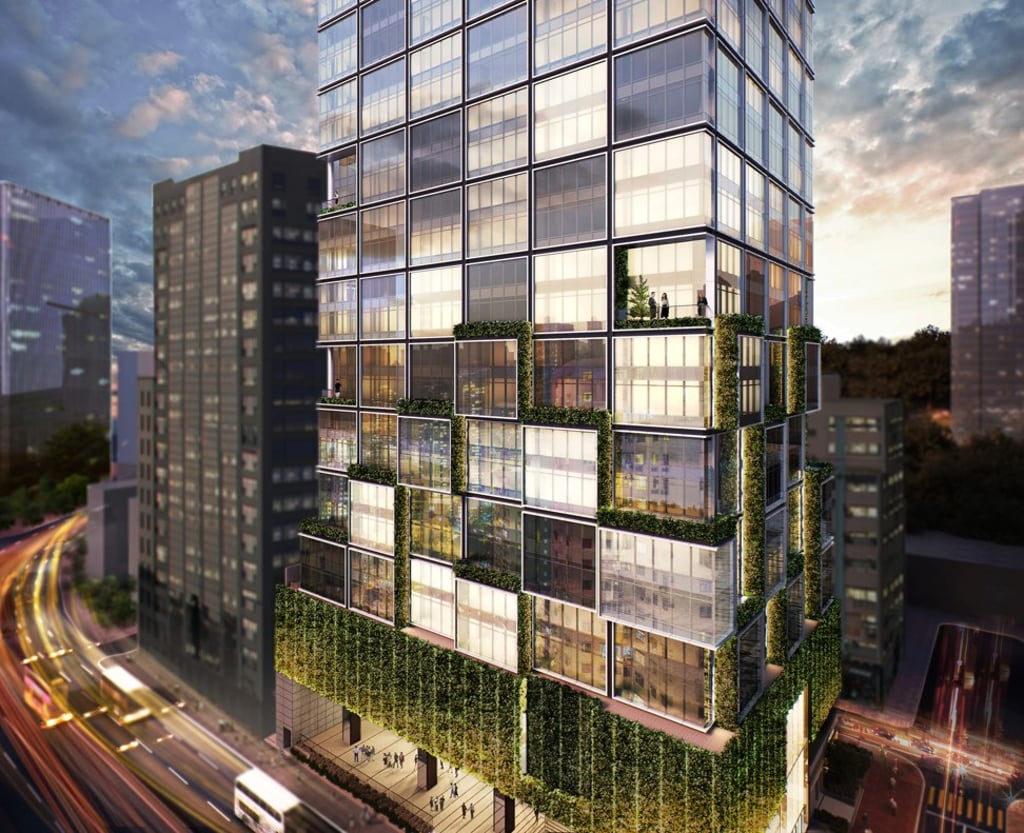
K11 Atelier King’s Road in Quarry Bay, which opened in October, is one of the latest Hong Kong projects to have received a BEAM Plus Provisional Platinum rating under New Buildings v1.2.
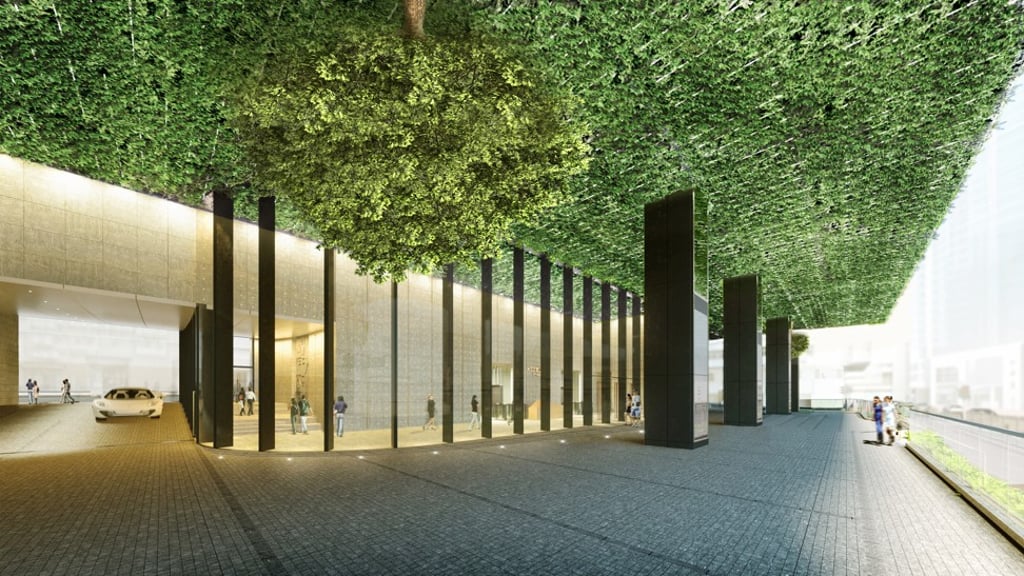
The mixed-use development offers more than 40 wellness and sustainability features, including green walls and ceilings, open green spaces, indoor air and water quality, which exceed World Health Organisation standards, and leisure activities centred around mindful living and personal development.
Tenants can sign a voluntary sustainability pledge, giving them access to advice on sustainable fit-outs, additional services and access to smart metering for energy savings.
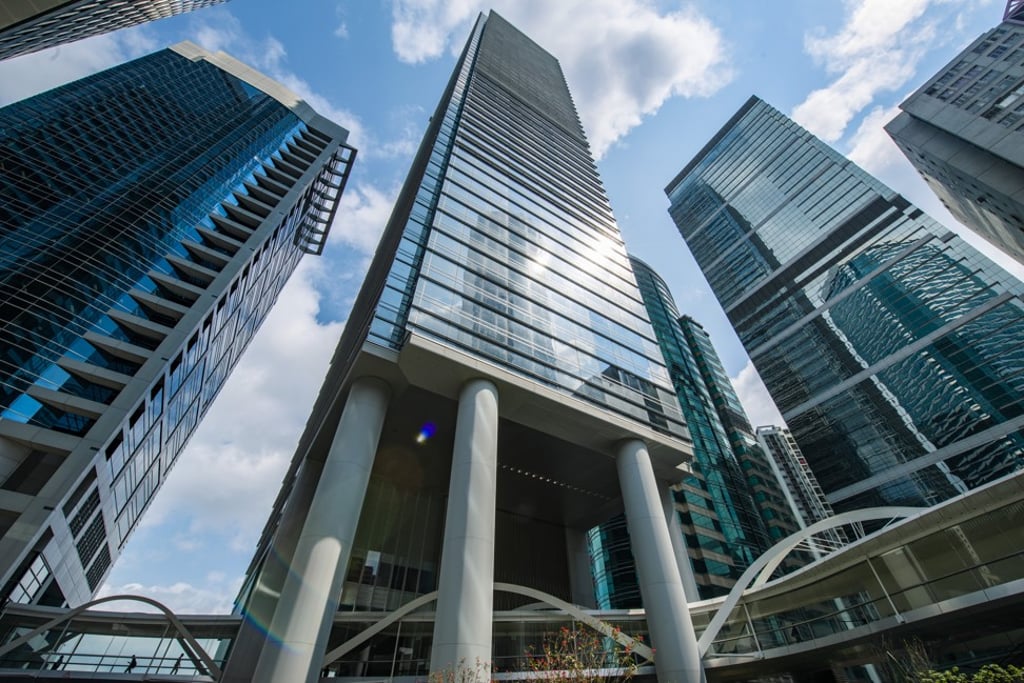
Those who frequent Quarry Bay’s Taikoo Place or who have visited the Tong Chong Street Market will have come to appreciate the area’s open public areas, art spaces and layout that encourages smooth pedestrian access.
Swire Properties’ One Taikoo Place, which opened last year, is another triple grade A office with Final Platinum WELL certification, LEED Precertification Platinum, and Provisional Platinum BEAM Plus certification, with features including rainwater collection facilities, greywater recycling, a green roof for heat absorption and 69,000 square feet (6,400 square metres) of green spaces for tenants.
“Lincoln House in Taikoo Place won the highest rating award as the first building in 1998 to achieve that [Platinum] rating,” Guy Bradley, chief executive of Swire Properties, says.
“[If you move] forward to today, over 90 per cent of our buildings have been certified as green, of which 75 per cent have achieved the highest ratings.”
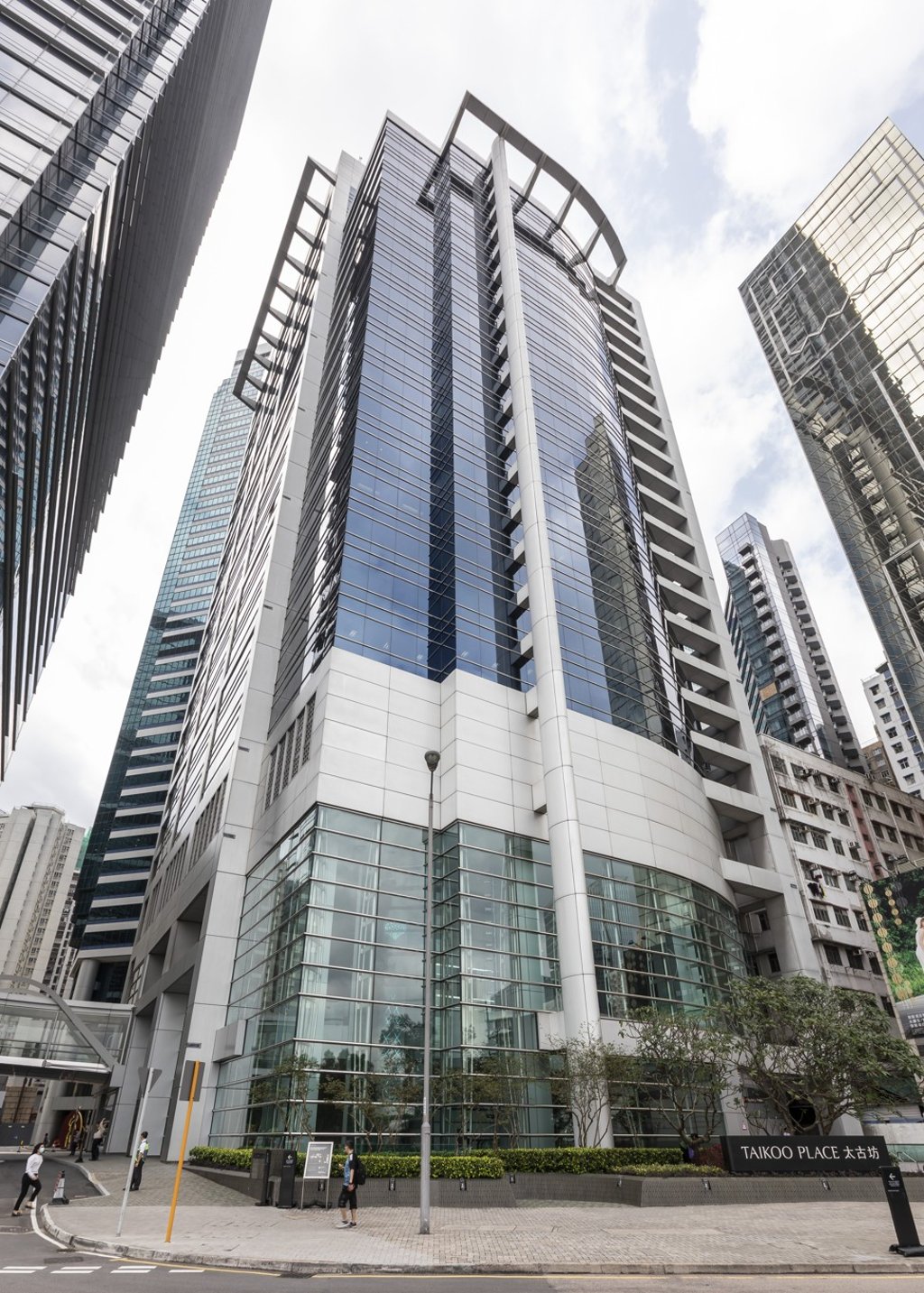
Every existing building at Taikoo Place has achieved Platinum status under BEAM Plus Existing Buildings v2.0. Just like One Taikoo Place, Two Taikoo Place, which is under construction, has received provisional Platinum status under BEAM Plus New Buildings v1.2.
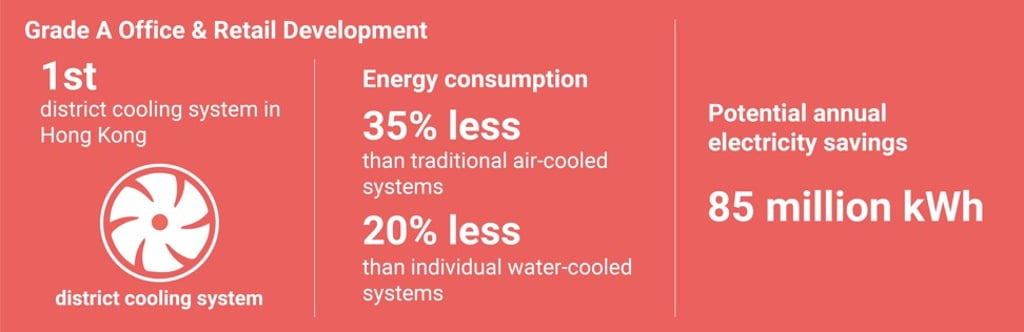
Last year, the grade A Office & Retail Development at NKIL 6556 in the Kai Tak Development Area was the first to receive a Platinum rating under BEAM Plus Neighbourhood v1.0.
Its sustainable features include a district cooling system – the first in Hong Kong – which consumes 35 per cent less energy than traditional air-cooled air conditioning systems, and 20 per cent less energy than individual water-cooling air-conditioning systems, leading to potential annual electricity savings of 85 million kWh.
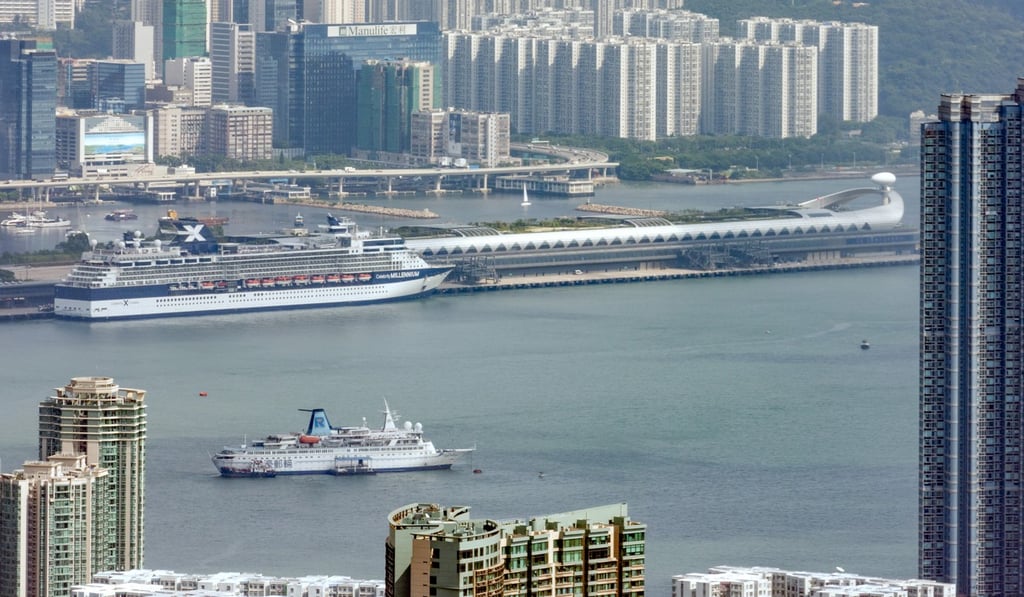
The Kai Tak Development Area also includes the three-storey Kai Tak Cruise Terminal – another of the city’s many BEAM Plus-certified projects providing significant energy savings.
In September, a new version of BEAM Plus New Buildings launched, “to maintain the assessment tool at a level beyond statutory requirements”, Chung says.
With this mission in mind, New Buildings v2.0 introduces several new criteria that indicate the shifts happening on a global level – including a movement towards human-centric buildings and resilient, climate-responsive design.
“World Green Building Council has a campaign called ‘Better Places for People’, which draws on the social benefits of green buildings,” Chung says.
“In the past, it was all about the environmental benefit of buildings and economic benefits, such as saving money by reducing energy use.”
BEAM Plus New Buildings v2.0 also maintains its original focus on the environmental and economic benefits of saving light, energy and water.
Vincent Cheng, director of building sustainability at Arup, a design, engineering and project management building service consulting company, says BEAM Plus New Buildings v2.0 now looks at a building’s “air quality, lighting, air flow and design”.
It is estimated the green buildings rating tool has led to savings in the city of 710,850MWh of electricity each year – roughly the average annual electricity consumption of 146,000 Hong Kong households – and cut annual consumption of fresh and seawater by 15.7 billion litres.
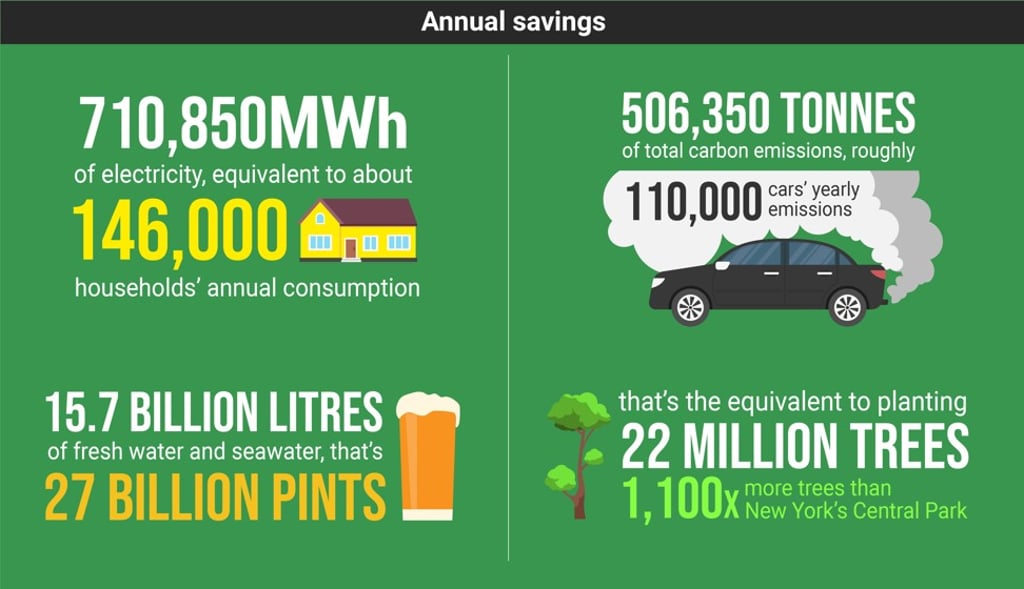
The result is that total estimated yearly carbon emissions will be reduced by 506,350 tonnes. That’s the equivalent of planting 22 million trees.
In addition, BEAM Plus has improved Hong Kong’s ventilation and led to the introduction of green roofs and on-site greenery “to bring nature closer to building occupants”, Chung says.
“BEAM Plus encourages improved connectivity to public transport. This makes the buildings more convenient and liveable, with less air pollution.
“It also encourages good indoor environmental quality, including acoustic isolation, provision of adequate daylight and fresh air.”
So far 3,500 green practitioners have been trained in BEAM Plus and other HKGBC schemes to serve the green building industry.