Avoid common Marathon-related injuries
As the marathon season is upon us, runners should be aware of common injuries and how to avoid them.

[Sponsored Article]
Running has become Hong Kong’s favourite sport. The various marathons, as well as road running and trail running events are reporting record-high participation, with the community keenly taking part in support of the spirit of endurance. However, this also means that running related injuries have become prevalent, with 50% of regular runners reportedly having more than one injury each year.
Running long distances requires months if not years of training. It is therefore inevitable that most marathon-related injuries are musculoskeletal and caused by overuse.
Are you at risk? What are some of the most common injuries?

Any runner is at risk of injury regardless of experience, but some are more prone than others. Risk factor is higher among those with body mass index greater than 26 kg/m2. The risk is also greater for those with less than 5 years of running experience, and runners not doing interval training on a regular basis.
The knee, leg, foot and ankle are the hardest hit areas. For the knee, the most common complaints include knee pain caused by repeated contact of the bones such as patellofemoral pain syndrome and iliotibial band friction syndrome (runner's knee), anterior cruciate ligament (ACL) injuries as well as hamstring muscle injuries.
Overload of the shin area can lead to leg injures like tibial stress syndrome (shin splint) and stress fracture of the tibia. Foot and ankle injuries, on the other hand, are the most common injuries reported by long distance and marathon runners, including achilles tendinopathy, plantar fasciitis, and stress fracture of the metatarsal.
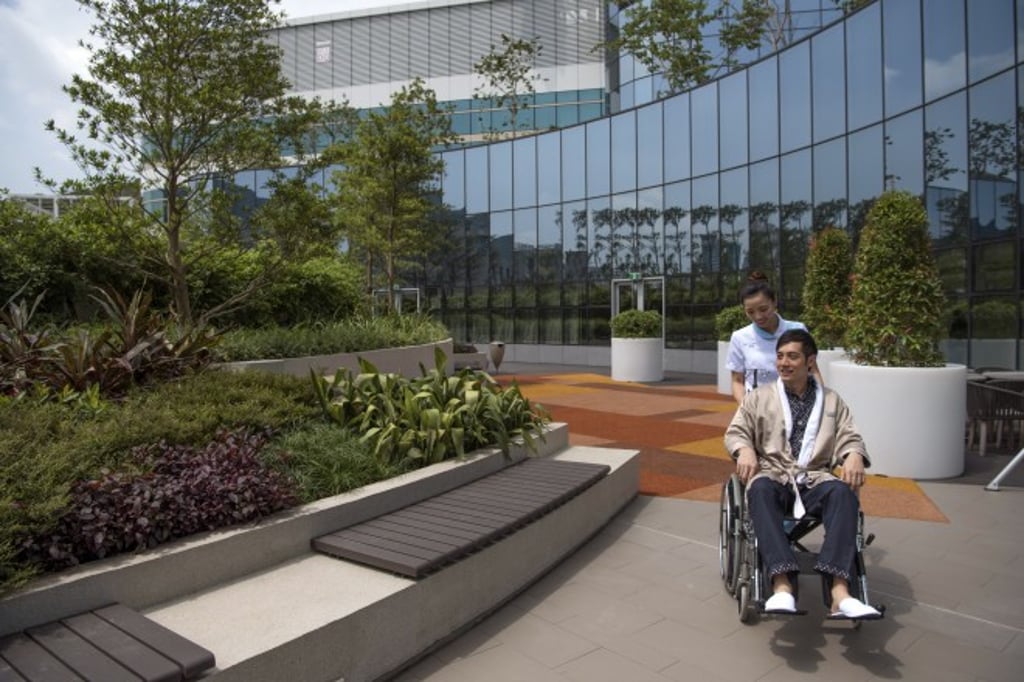
When planning their training regimen, runners should also be aware of an uncommon but serious disease–rhabdomyolysis–that can be caused by over training. Due to rapid skeletal muscle damage, dead muscle fibre is released into the blood stream causing muscle pain, weakness, vomiting and confusion. Beware of tea-coloured urine or an irregular heartbeat as some of the muscle breakdown products are harmful to the kidney and may lead to kidney failure.
Sustaining an injury will not only sideline a runner from the joy of running, but may also have repercussions in their daily life as well. It is therefore paramount that precautions are taken as soon as training commences. These include appropriate footwear, activity modifications and appropriate training schedule as well as proper warm up and cool down routines that involve stretching. If necessary, take anti-inflammatory medications.
Once an injury is sustained, it is important that training should be halted and medical advice sought immediately. In Hong Kong, medical institutions are becoming more and more attuned to sports-related injuries due to its prevalence, and offer comprehensive orthopaedic services to help deal with these issues.
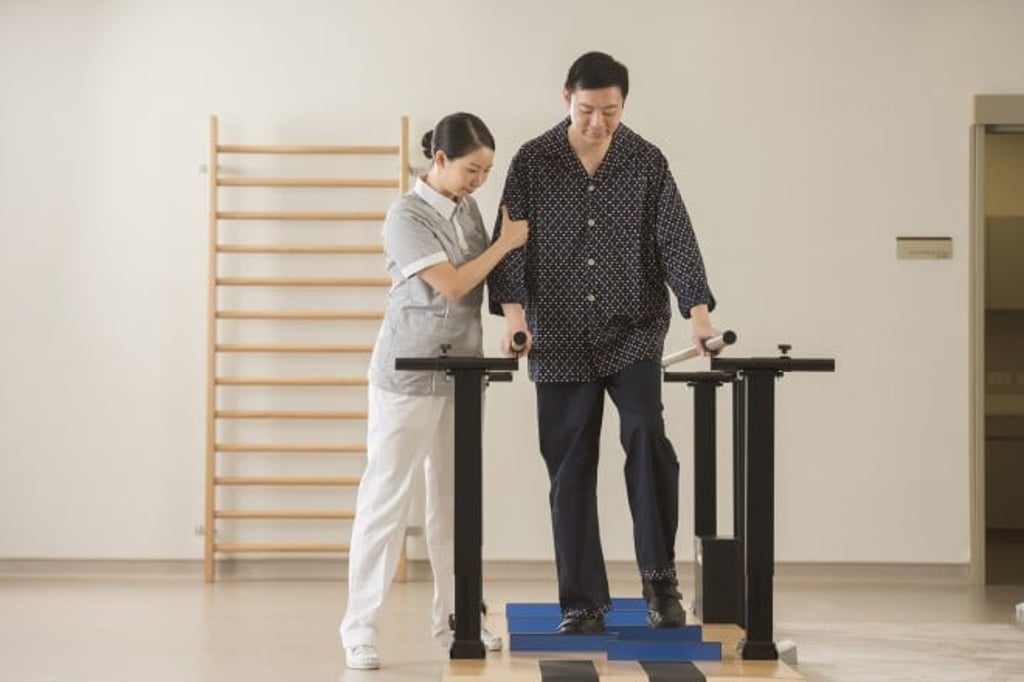
For instance, Gleneagles Hong Kong Hospital, known for its state-of-the-art facilities, offers comprehensive treatments at its Orthopaedic Surgery Clinic, providing medical and nursing services catered especially to orthopaedic patients. Its Radiology Department is able to conduct imaging tests using various imaging technologies including X-ray, computed tomography (CT), magnetic resonance imaging (MRI), ultrasound, bone mineral densitometry (BMD), etc, to provide interpretive diagnostic imaging reports and opinions to assist doctors in making the best decisions to manage patients’ conditions.
If surgery is needed, the hospital’s all-inclusive medical packages allow patients to better manage costs, including fee advisory services before admission to provide a high degree of fee transparency and peace of mind. There are packages for different types of orthopaedic injuries with detailed breakdowns of surgeries and hospital stays, ranging from simple Achilles Tendon Repair, to the commonly sought ACL Reconstruction & Meniscal Repair, to complex ones like hip or knee replacement at its recently opened Joint Replacement Centre.