How a bowl of noodles became a cultural symbol
Tam Jai International’s CEO explains how mixian came to spice up Hong Kong’s food culture and why the brand is now taking its flavour and attitude overseas

[The content of this article has been produced by our advertising partner.]
From modest beginnings, mixian has grown in popularity as a comfort food and has become a cultural touchstone that holds a place in the hearts of many Hongkongers, wherever they are. Quick, soothing and customisable, it has settled into local life over three decades. For many who have moved abroad, mixian carries a powerful sense of home, and is often the first thing they seek out when returning to the city.
For Daren Lau, Chairman and CEO of Tam Jai International, the connection reflects Hong Kong’s tempo. Asked whether mixian represents the city’s food culture, he says: “In many ways, a bowl of mixian reflects the Hong Kong lifestyle itself.”
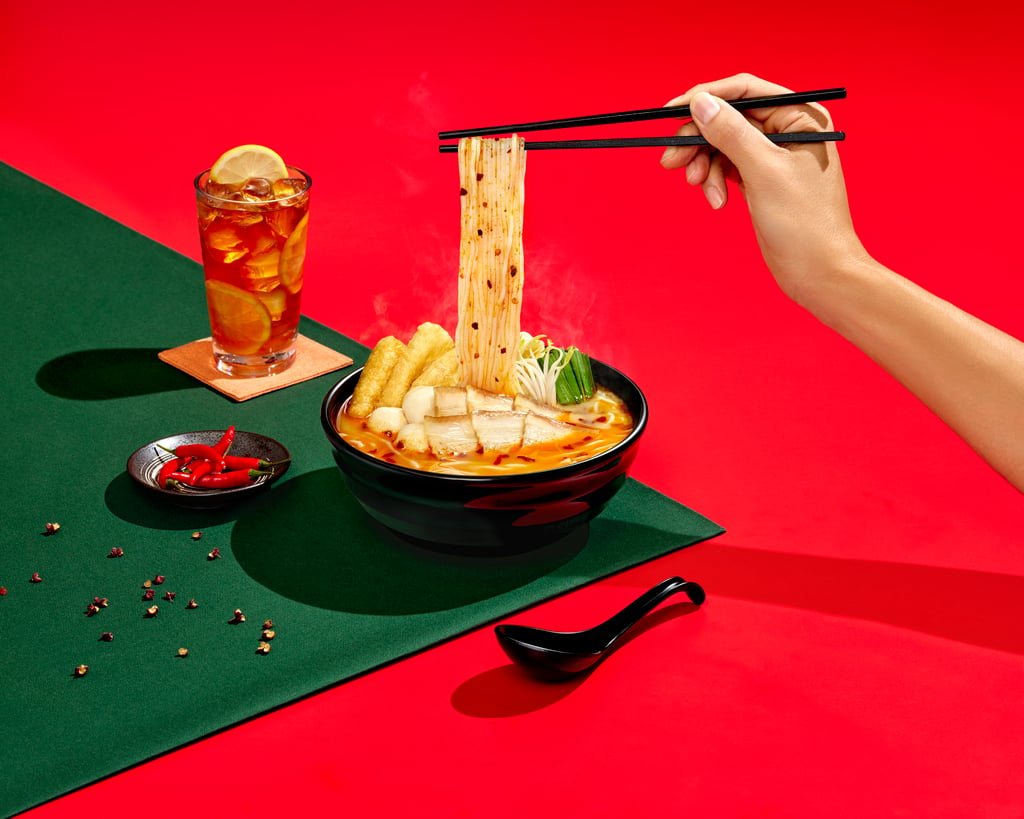
Founded in 1996, TamJai Yunnan Mixian built its reputation on time-honoured craftsmanship, with Hong Kong-style broths and fresh ingredients at its core. Over the years, it has become a dependable choice for diners seeking quality at a reasonable price. TamJai SamGor Mixian arrived later with bolder spices and a playful character that resonated with a younger crowd.
Today, the international label, TamJai Mixian, brings together the best of both, introducing global diners to a style of noodles that has long been part of Hong Kong’s food culture.
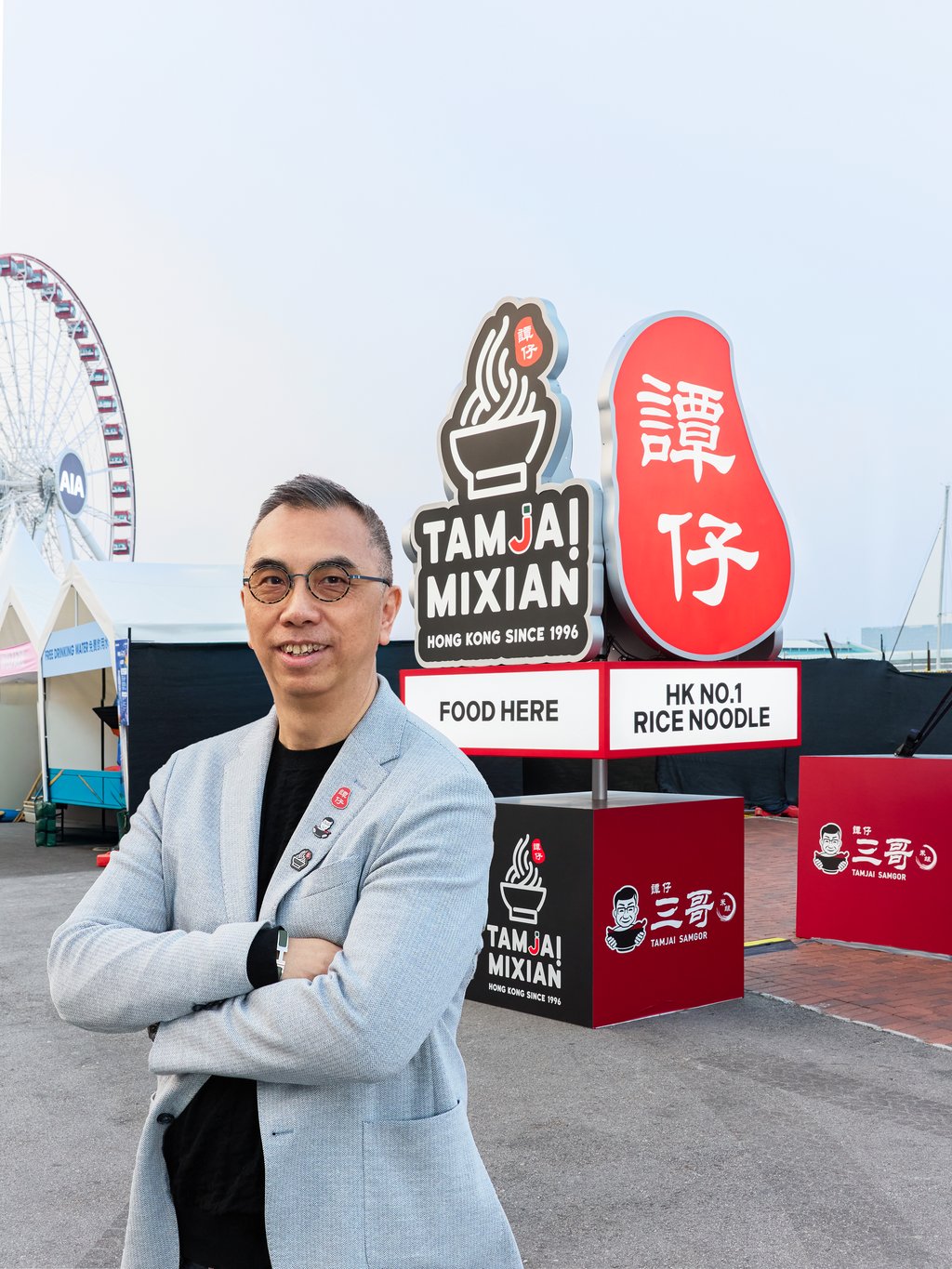
The restaurant chain has recently expanded into Australia, Malaysia, Singapore and Japan, introducing mixian to diners familiar with Asian noodles but new to Hong Kong’s distinct tradition. For many Hongkongers living overseas, spotting a TamJai abroad offers an instant sense of comfort, as if a small piece of home has travelled to meet them.
Lau believes mixian travels well because it offers cultural richness without requiring prior knowledge. “When people overseas try mixian, they are naturally curious,” he says. “The soup and spices are slightly adjusted for each region, but the Hong Kong soul remains. It becomes a gateway understanding our food culture.”
The spice scale has served as a cultural bridge. While long established as a common norm in Hong Kong, locals treat it as a test of bravery. Overseas customers tend to approach it with playful humour. Lau enjoys the stories. “People take pride in choosing their level. It becomes a personal moment of adventure,” he notes.
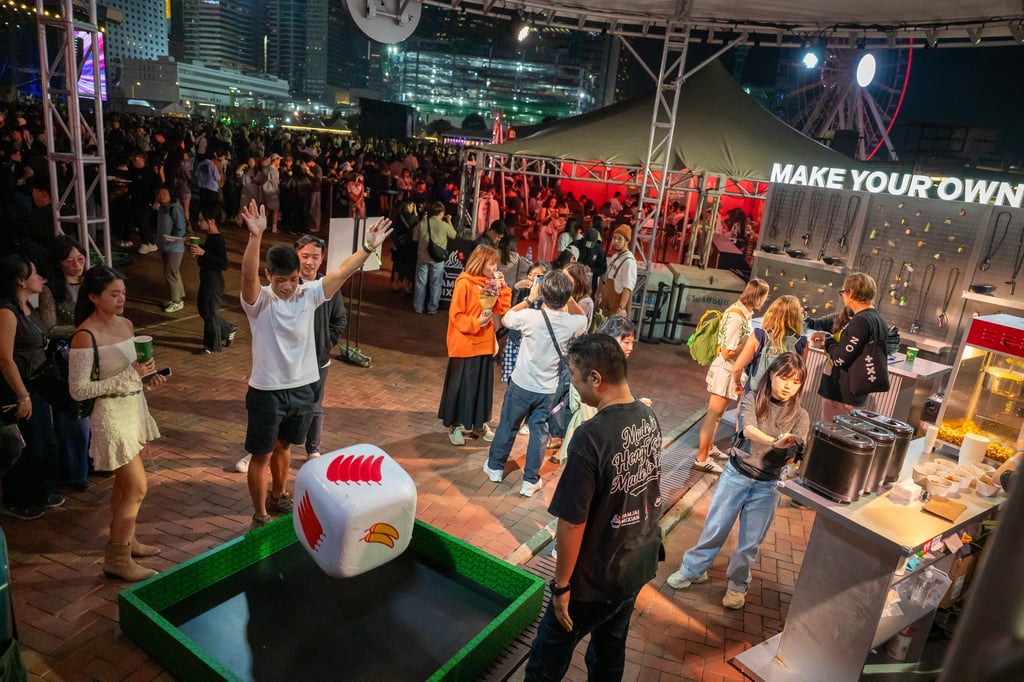
The brand reached new visibility at Clockenflap Music & Arts Festival 2025 with TamJai Avenue, a pop-up that brought together its three brands under the theme “Made in Hong Kong, Made to Move”. The installation featured festival-only creations such as avocado in garlic and chilli sauce and mala popcorn, alongside two specialty cocktails infused with TamJai’s signature spices. Lau sees TamJai Avenue as one of many creative explorations.
The brand’s direction is increasingly driven by the voice of customers. Feedback is gathered through in-store interaction, the CRM system, social media and recurring research. Lau regards this ongoing dialogue as key to the company’s creative marketing approach.
A key step came with the app relaunch in July, which introduced gamification and richer loyalty rewards to encourage return visits. This form of engagement has become an important way of staying connected with a younger generation of diners.
At its heart, comfort food communicates feeling as much as flavour. In the case of mixian, that feeling has now found a home in cities around the world.