Get a glimpse of the Hakka village life
Unveiled last December, Chinachem Lai Chi Wo Story Room showcases the Hakka culture and village life, from daily lives and traditional medicine to courtship and wedding rituals.

[Sponsored Article]
Many of the historic rural villages in Hong Kong face challenges in preserving their intangible cultural heritage. Therefore, the Hong Kong UNESCO Global Geopark has launched the 'Same Roots, Same Origins' project to empower these local communities to conserve and revitalise their intangible cultural heritage.
Unveiled last December, Lai Chi Wo Story Room is part of the UNESCO project that educates the younger generation about the Hakka culture and promotes eco-tourism.
Located in northeast New Territories, Lai Chi Wo Story Room showcases the culture of Hong Kong's Hakka villages, collectively known as 'Hing Chun Alliance'. They are represented by Lai Chi Wo, So Lo Pun, Mui Tsz Lam, Kop Tong, Siu Tan, Ngau Shi Wu and Sam A.
The seven Hing Chun Alliance villages shared a communal school (Siu Ying Public School), temples (the Hip Tin Temple and the Hok Shan Monastery) and festivities (the Da Jiu Festival and the Kwan Tai Festival). Some villages had the same ancestors. This close-knit community gave rise to a unique lifestyle and local culture.
The Hing Chun Alliance has a history of over 300 years. According to local records, Mui Tsz Lam, which dates back to 1661, was the first village in the region. Flanked by lush feng shui woods and mangrove forests, Lai Chi Wo has a history of more than 300 years and is one of the oldest, largest, and best-preserved villages in the region.
Lai Chi Wo's overall village layout mirrors the rural lifestyle in the past and how the villagers co-existed in harmony with the environment. It has more than 200 houses laid out in precise horizontal and longitudinal rows and is protected by rustic walls. Lai Chi Wo was home to more than 1,000 residents during its heyday before the 1960s.
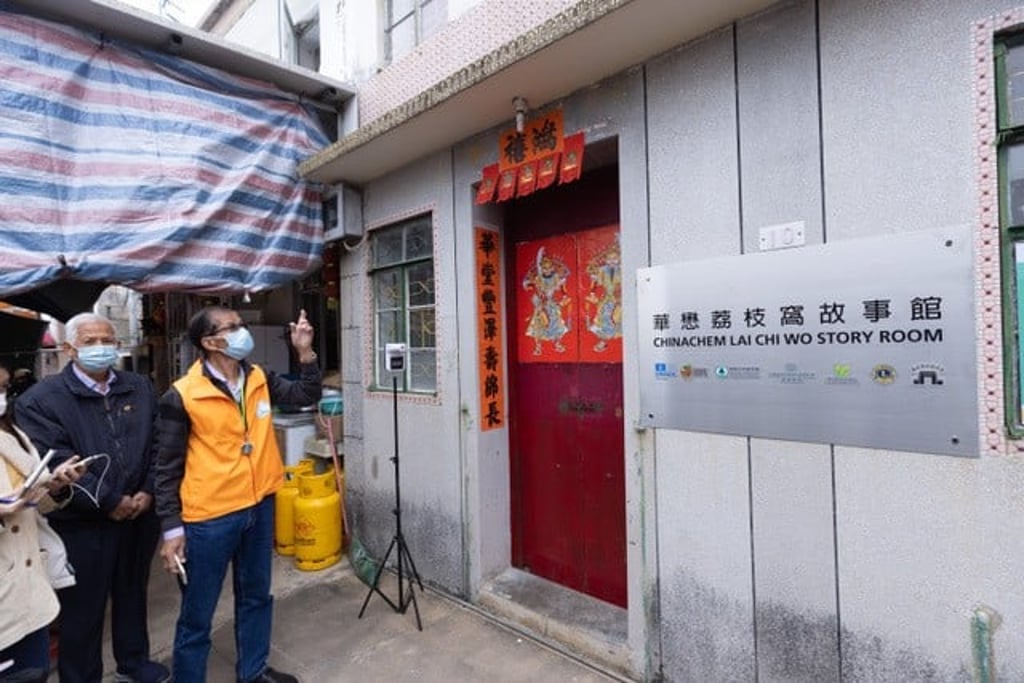
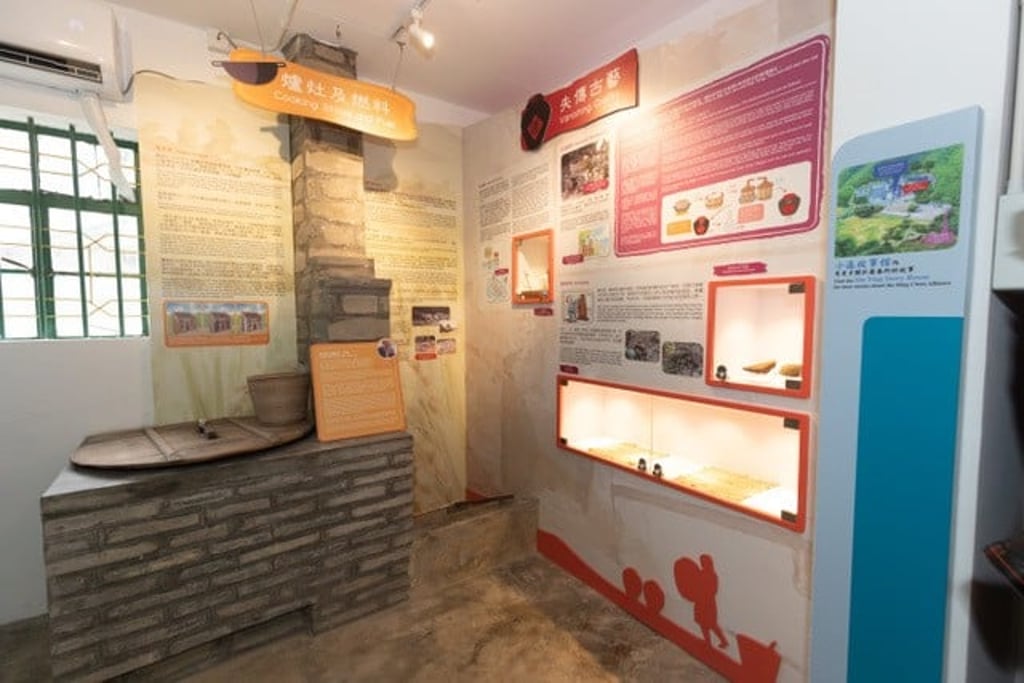
Revitalised from one of the village houses, the Story Room contains exhibits of daily lives, wedding rituals, traditional medicine and Hakka folk songs.
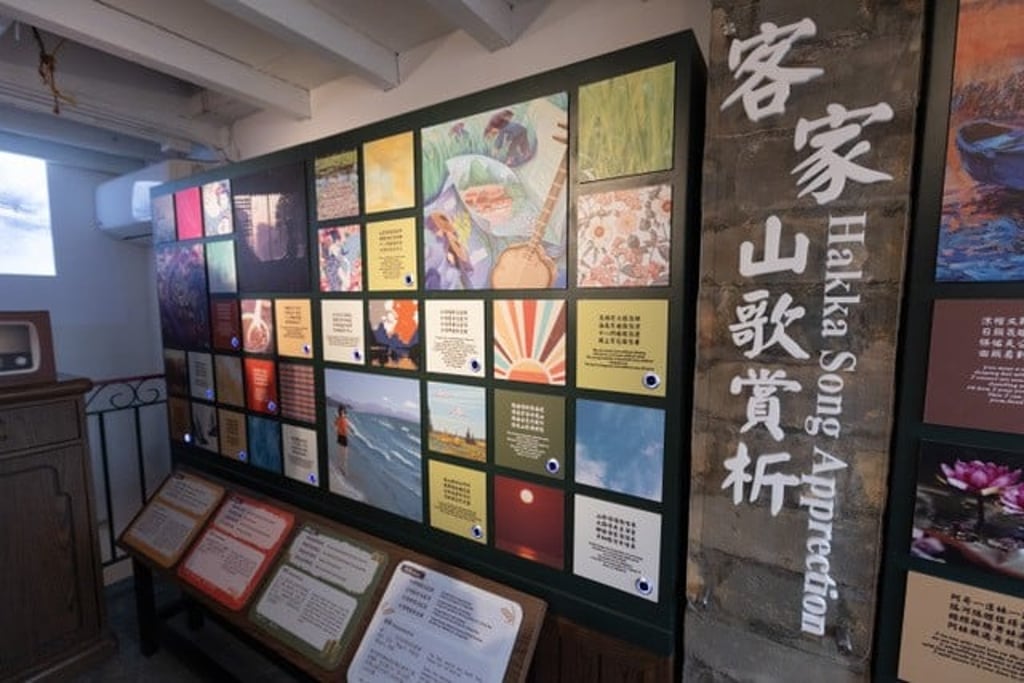
At a time when there was no telephone, let alone instant messaging, Hakka folk songs or hill songs were sung as a remote courting method between young men and women. However, these folk songs are disappearing as elders pass away.
To preserve this authentic rendition of Hakka village life, the Story Room has a collection of song recordings sung by senior villagers who still remember how to sing these folk songs.
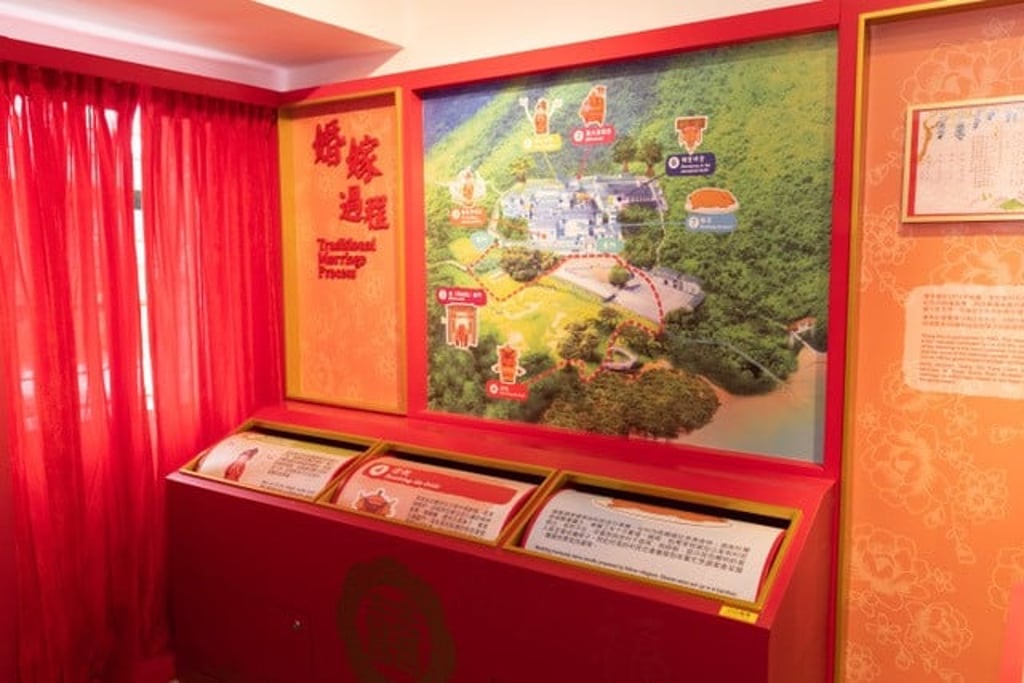
Apart from folk songs, visitors can learn about traditional Hakka and herbal medicine and wedding customs, such as traditional Hakka food for the guests, costumes for bride and groom, and traditional wedding rituals and celebrations.
Funded by Chinachem Group, the Story Room is a collaboration among Chinachem Group, the Agriculture, Fisheries and Conservation Department, the Lions Nature Education Foundation (LNEF) and Lai Chi Wo Pui Shing Tong.
"The Geopark requires concerted support, innovation and creativity from the government, local communities and different stakeholders to excel. We look forward to continued exchange and collaboration among the government, geopark stakeholders and other partners to conserve the heritage, culture and environment of geopark communities, and to promote their sustainable development," said Wong Kam-sing, the Secretary for the Environment, at the opening ceremony of the Story Room.
He added that more than 80 villagers provided an oral history, with some of them having deposited their family heirlooms for exhibition. He reminded the public to follow the principles of 'leave no trace' travel to minimise environmental impact on these historic villages.
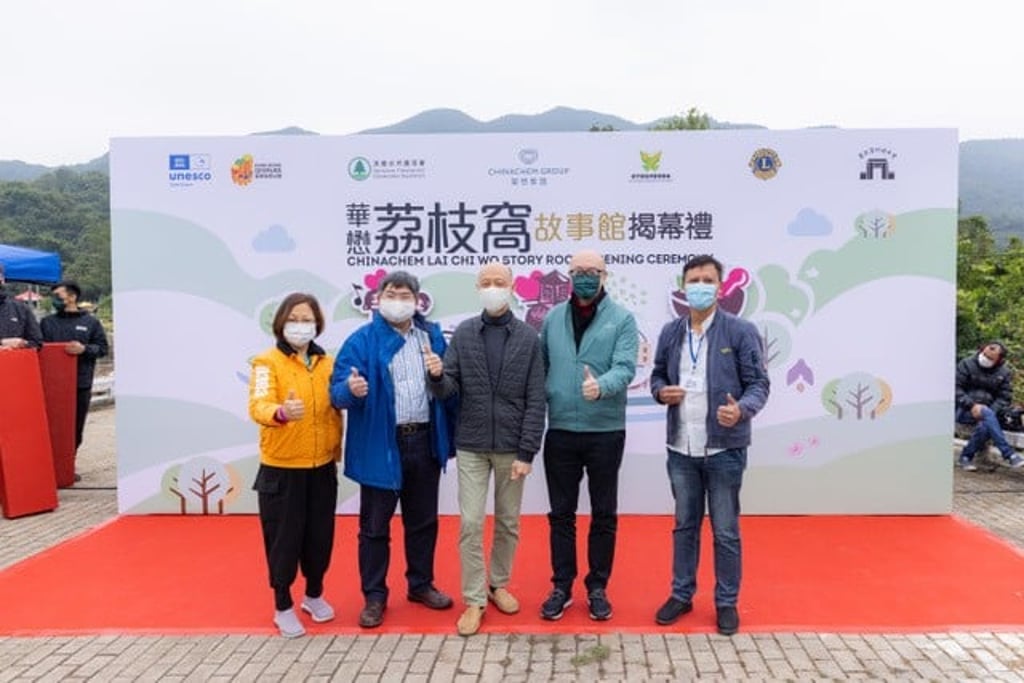
During the ceremony, Donald Choi, Chinachem Group's executive director and chief executive officer, said the establishment of the Story Room is guided by the Group's 'Triple Bottom Line' of People, Prosperity and Planet, and that the Group has a responsibility to the society and environment it exists in.
"By creating 'Places with Heart', we are pleased to play a role in safeguarding this key part of Hong Kong's culture. We want to help people understand the social and cultural fabric of Hakka villages and drive social and economic benefits for the community at the same time," he said.
LNEF's chairperson Cherry Tam added that the foundation had been established to promote nature education and rural conservation. By rediscovering the stories of the Geopark's communities, they could give visitors a unique opportunity to learn more about their intangible cultural heritage, she said.
Tsang Wai-yip, the Lai Chi Wo village representative, noted that he welcomes the establishment of the Story Room. Not only will it allow visitors to experience the colourful culture of Hakka villages, but he also believes that the promotion of eco-tourism will spur sustainable economic development in these rural villages that are often left behind.
The Lai Chi Wo Rural Cultural Landscape has been awarded the inaugural Special Recognition for Sustainable Development in the 2020 UNESCO Asia-Pacific Awards for Cultural Heritage Conservation.