Interdisciplinary mental well-being-focused studies by Hong Kong Baptist University’s researchers offer vital insights in STEM education and social media
A study by an award-winning researcher sheds light on the impact of students’ cognitive disparities on STEM education and suggests ways to optimise learning.
Another study focuses on users’ resilience towards social media surveillance, paving the way for a comprehensive understanding of the health of the digital world.

[The content of this article has been produced by our advertising partner.]
To navigate the increasingly complex digital world, adequate skills and knowledge of information technology are prerequisites. However, the varying cognitive abilities of students can affect their academic performance and seriously impact their mental health and well-being. Rapid developments in social media also add strain to the emotional health of individuals.
A growing number of primary and secondary schools are incorporating computer science and artificial intelligence (AI) literacy into their curricula. As a foundational element of AI literacy, computational thinking (CT) encompasses developing proficiency in core programming concepts and employing problem-solving skills to design and implement computational projects. However, the diversity of students' unique characteristics leads to varying paces and approaches in cultivating CT skills, highlighting increasing concerns about the impact of cognitive differences on learning outcomes.
Some students experience greater difficulty than their peers with acquiring literacy and numeracy skills, or in understanding concepts, even with appropriate differentiation. This frustration over learning may take a toll on their mental health.
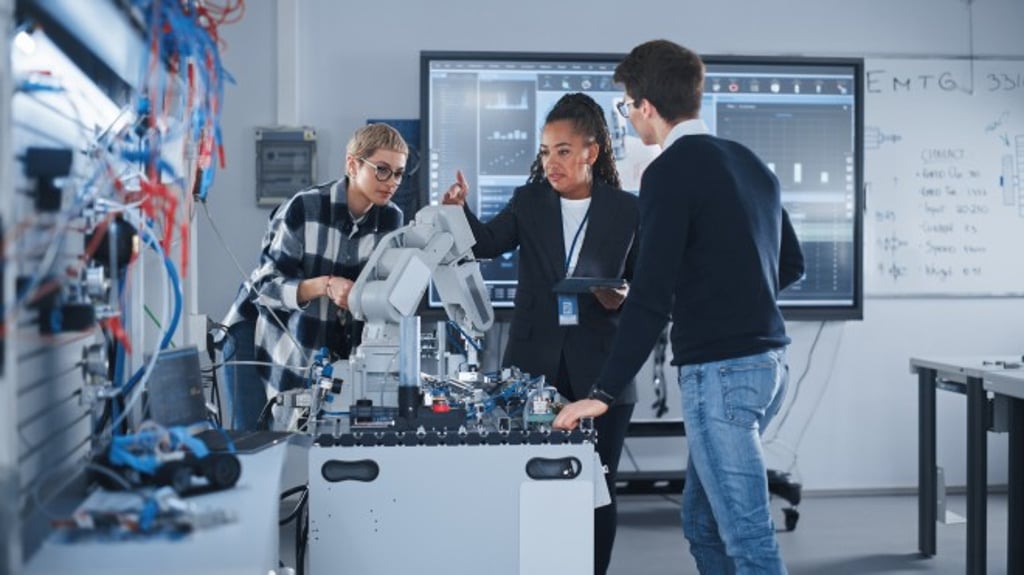
Through a research approach that traverses education, data science, cognitive science, and neurodiversity, Dr Liu’s paper “Relationships Between Executive Functions and Computational Thinking”, underscores the critical importance of understanding the connections between students’ cognitive functions and CT skills in designing personalised instructional strategies for advancing computer science education and fostering AI literacy development. This research offers a promising pathway for developing tailored CT education programs that address the unique needs of each individual, facilitating inclusivity in computer science education. By doing so, it makes significant contributions to broadening participation in STEM education and diversifying the future workforce. This paper is in HKBU’s Data Analytics and Artificial Intelligence cluster.
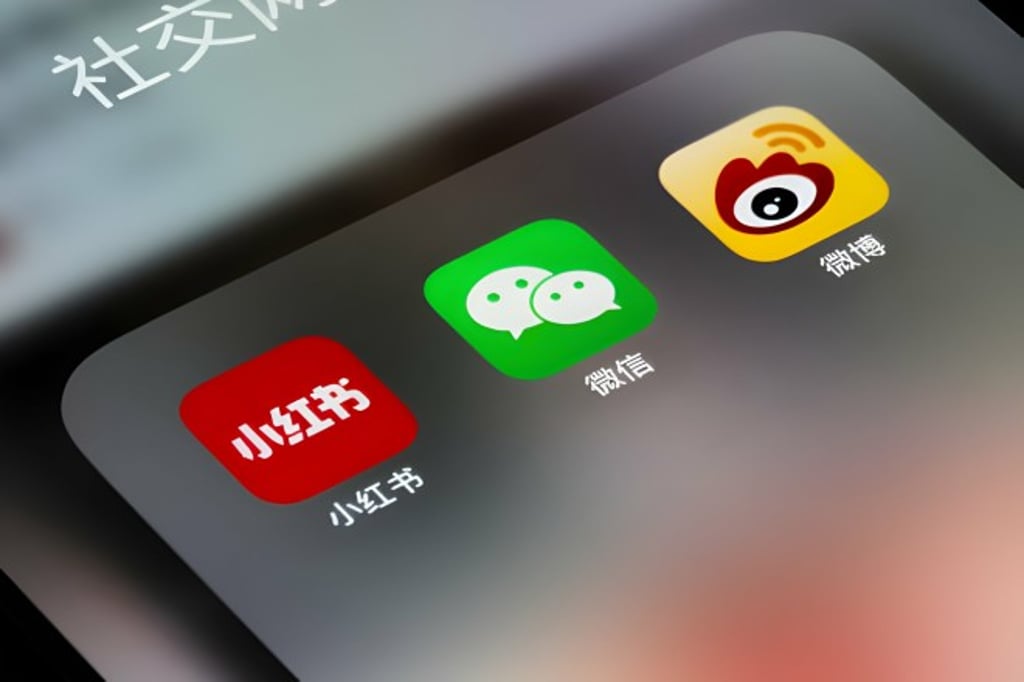
The paper “Privacy cynicism and diminishing utility of state surveillance: A natural experiment of mandatory location disclosure on China’s Weibo” by Dr Zhu examines the public response to mandatory IP disclosure, a new surveillance technology implemented on China’s Sina Weibo. Adopting perspectives from digital media, sociology, and mental healthcare, the paper’s findings suggest that prolonged surveillance makes people less sensitive to privacy threats and more experienced in neutralising surveillance’s influence on themselves. This paper is in HKBU’s Humanities and Cultures cluster.
Both Dr Liu and Dr Zhu’s papers share important insights that contribute to the sustainable development of education, social media, the health of the digital world, as well as mental health and well-being. They have been recognised in the HKBU Outstanding Research Output Award for the academic year 2023/24.
Dedicated to advancing education innovations
Dr Liu has built her research expertise in artificial intelligence in education, educational data mining/learning analytics, and computer science education.

Exploring diverse topics of social media
The research interests of Dr Zhu include political communication, information governance, mass surveillance, and digital technology. She applies computational and experimental methods to investigate large-scale datasets to understand how the general public perceives and reacts to political events through their use of digital communication technologies.

Research clusters
HKBU has identified research clusters to further promote interdisciplinary research. The Data Analytics and Artificial Intelligence cluster aims to solve problems in diverse domains, such as data journalism, data healthcare, data literature, and digital humanities, by using robust, safe, and advanced AI algorithms. The main focuses are Chinese medicine and healthcare, social communications and digital media, and geoinformatics and environment.
The Humanities and Cultures cluster promotes interdisciplinary scholarship, where arts, languages, philosophy, and social sciences converge to explore the rich tapestries of human experiences and cultural expressions. It emphasises the strategic use of digital technology.