HKBU’s interdisciplinary research papers in the health and drug discovery cluster illuminate pathways to major innovations on air pollution control and pharmaceuticals
A health and wellbeing-focused research paper explores the potential of a metabolic component in humans to reduce the impact of PM 2.5 on our lungs.
Study findings on the catalysed development of an organic compound may offer potential solutions to many modern societal challenges, including drug discovery.

[The content of this article has been produced by our advertising partner.]
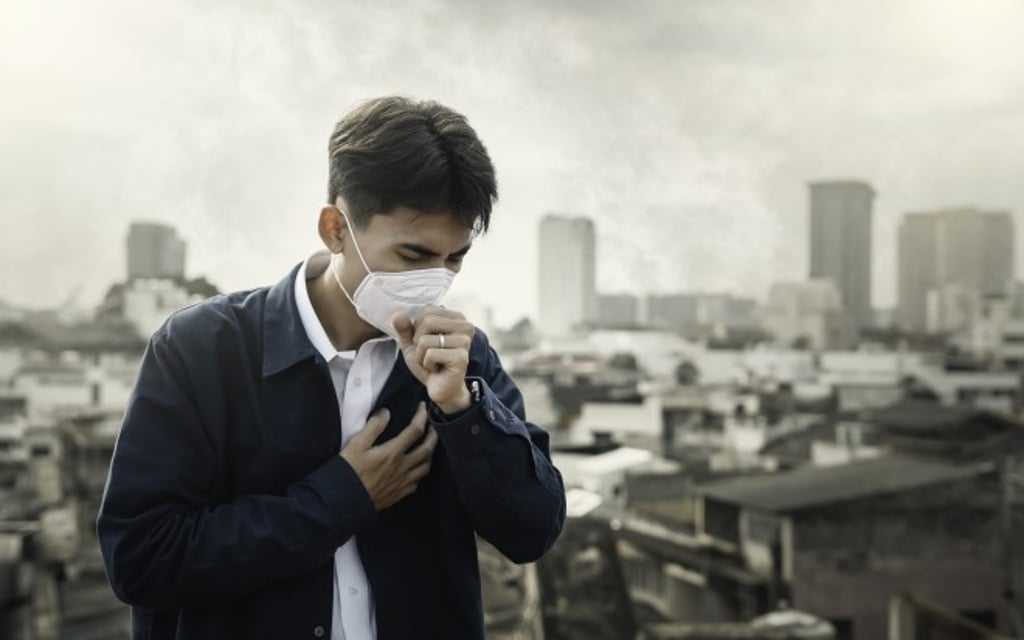
The advent of industrialisation and rapid urbanisation has improved the livelihoods of billions, but it has also brought about numerous health scourges, including air pollution.
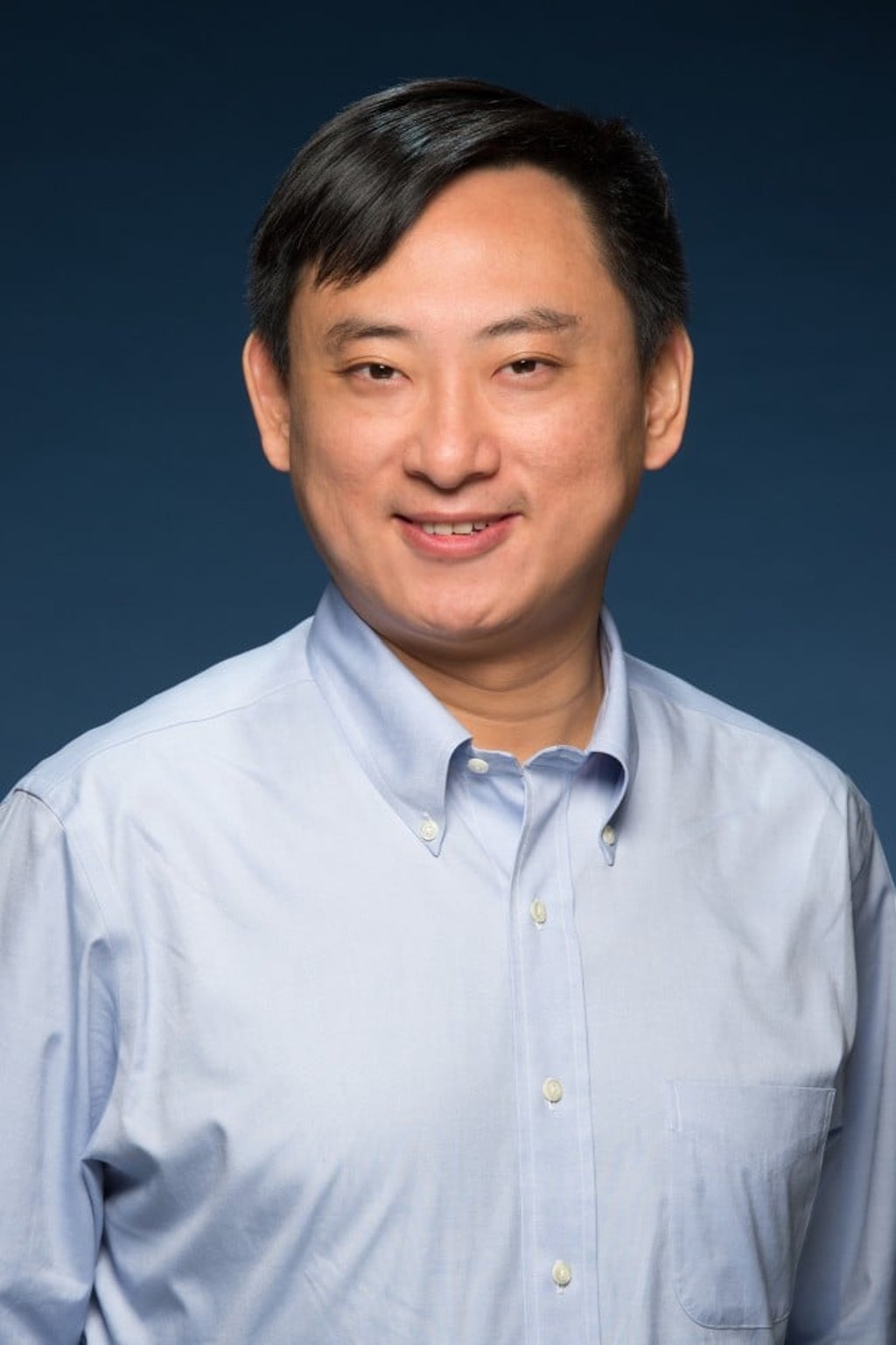
At the forefront of health-focused interdisciplinary approaches that contribute to potential solutions, Dr Zhu Yang of the Department of Biology and Professor Jun (Joelle) Wang of the Department of Chemistry at Faculty of Science, Hong Kong Baptist University, have made significant discoveries and published ground-breaking research papers. Professor Wang and Dr Yang’s contributions in their respective fields have been recognised with the HKBU Outstanding Research Output Award (the Award) for the academic year 2023/24.
Dr Yang’s paper focuses on an important component in the body’s metabolism that may counteract the adverse effects of PM2.5 toxicity on lung cells. His discovery not only offers vital insights for regional pollution control and health interventions, but also provides the prospect of developing novel treatments for related health issues, potentially addressing this public health challenge. In the future, the research’s findings may also contribute to the development of diagnostic protocols for lung diseases caused by PM2.5, apart from the component’s potential as a therapeutic agent.
Multi-facetted contributions
In addition to research on the health risks of PM2.5, Dr Yang has worked on a study focused on exploring the relationship between plasma metabolites biomarkers and antibody levels in recovered COVID-19 patients. The relevant research results have also been published in PNAS.
“Based on the study, further research is needed to explore the potential for application in other treatments and disease control. For example, innovative strategies can be developed to improve the efficiency of humans in increasing antibody levels after vaccination, especially in diabetic patients in high-risk groups for COVID-19,” he says.
A passion for challenges: Precision Molecular Design and Editing
.png?itok=gpVNhjtx "Professor Jun (Joelle) Wang")
She says, “I enjoy challenging work, selecting a topic myself and then working on it together with the students. It's a great feeling to go through many twists and turns and finally achieve our goal. As a much-quoted Chinese poem goes, 'Just when all seemed lost, a new path emerges beyond the shadows of the trees.’”
On her ongoing research path, Professor Wang says she has been driven by her passion for challenges and perseverance. “My sense of accomplishment comes from two sources: self-recognition and the application of my research findings,” she adds.
Cluster aims to enhance health and well-being
Both Dr Yang and Professor Wang’s papers are in the Health and Drug Discovery cluster, one of four strategic clusters identified by HKBU. This cluster seeks to transform health and wellbeing. Researchers at HKBU break barriers by integrating cutting-edge sciences, such as Chinese medicine philosophy, chemical biology, data analytics, and environmental, physical, and social sciences. Aiming to revolutionise preventive measures, diagnosis, and therapeutic treatments for human diseases, HKBU is ready for an exhilarating journey to enhance health, ignite prosperity, and change lives.
Future articles will focus on more award-winning research papers in the Health and Drug Discovery cluster, as well as in the Data Analytics and Artificial Intelligence and Humanities and Cultures clusters.