The German bilingual approach puts GSIS students on fast track
The long-term advantages of a first-rate bilingual education are beyond dispute, and they are very much on show at German Swiss International School (GSIS) in Hong Kong.

[The content of this article has been produced by our advertising partner.]
Students there who opt to enter the German International Stream follow a well-rounded, highly-regarded curriculum which can take them from kindergarten up through primary and secondary levels to the final Deutsches Internationales Abitur (DIA) qualification, which opens the door to top universities everywhere.
For applicants at certain levels, no prior knowledge of German is required. But an immersive language programme quickly brings non-native speakers up to speed, giving them the confidence to study all the usual subjects in a bilingual German-English classroom environment and to play a full part in a wide selection of extracurricular activities.
The basic academic curriculum is set and supervised by the German government, which also ensures quality standards are achieved. It combines traditional strengths in arts, sciences and mathematics with a large multilingual component, and is designed with the values of innovation, independence and creativity in mind.
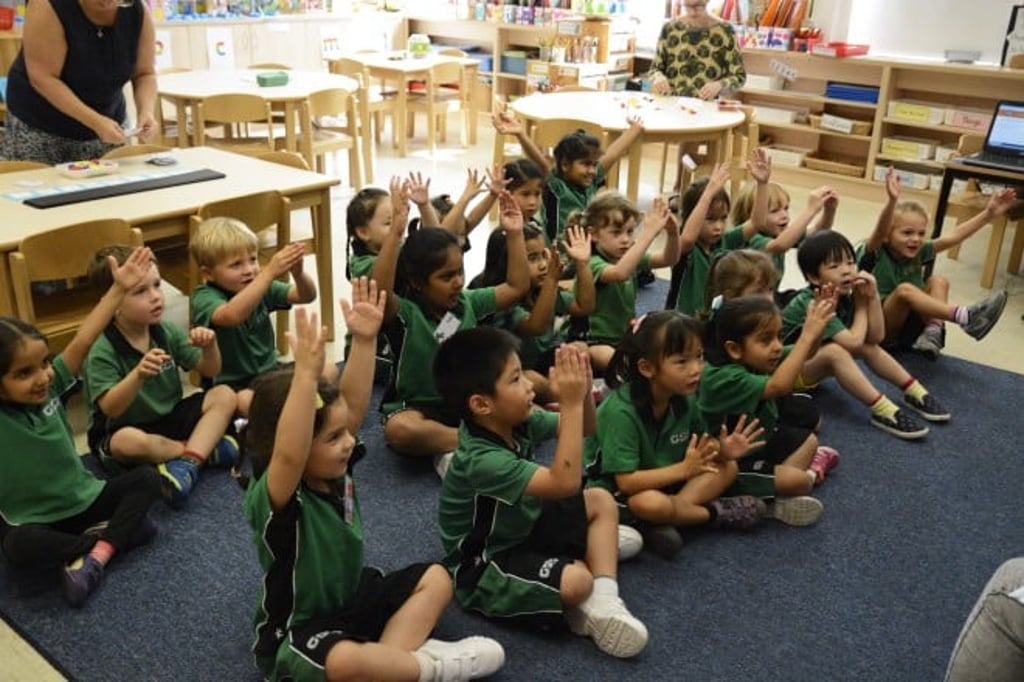
“Students get a very prestigious, internationally recognised education with a diploma that enables them to apply and enrol for any university worldwide, including elite institutions in Europe, the United States and Hong Kong,” says Grit Cichon, deputy principal and head of the German International Stream. “The curriculum and qualifications are comparable and parallel with the IB or IGCSE. We offer several different entry points, and since GSIS is part of a network of 140 such schools around the world – four of them in mainland China – it is possible to switch to a partner school if a family has to move.”
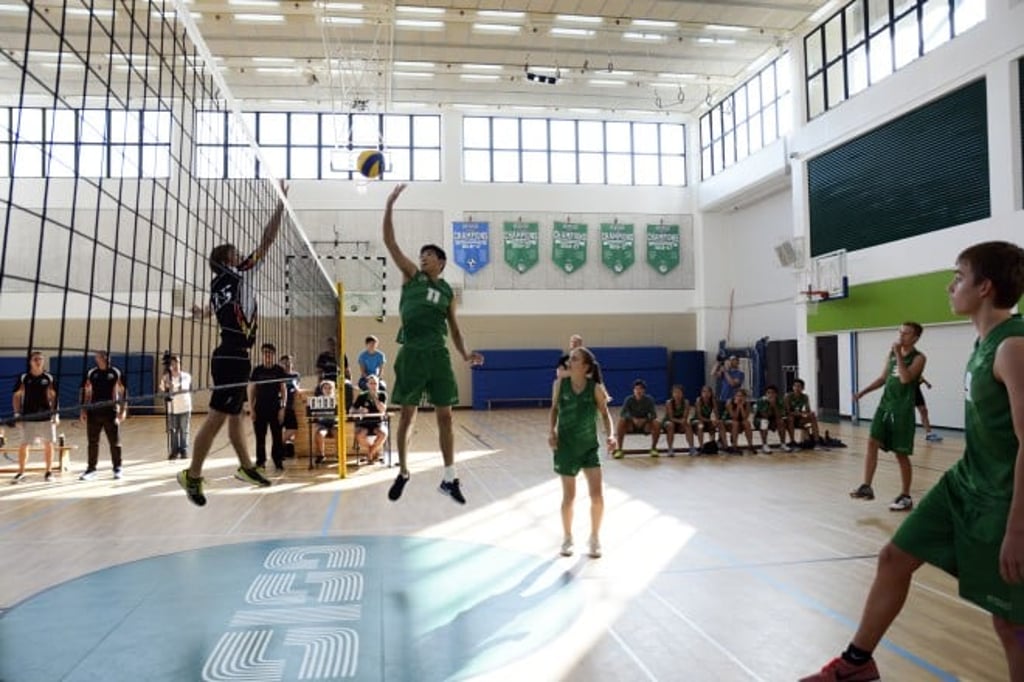
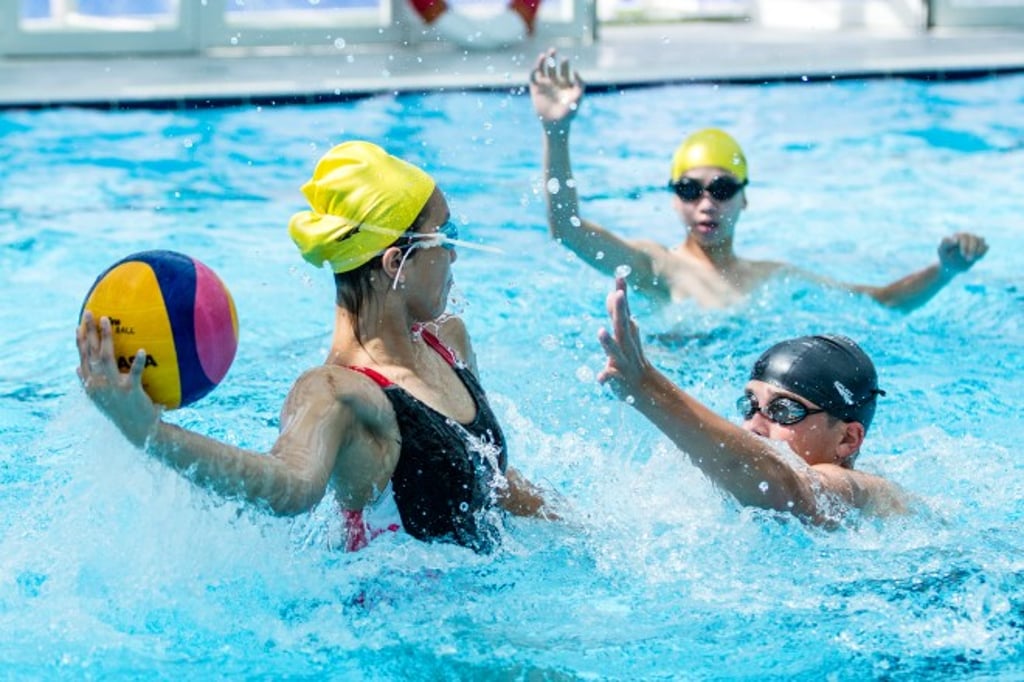
In practice, 50 per cent of some subjects – history, biology and so on – are taught in German, with the balance taught mainly in English. All tests and exams are taken in the relevant language. And, outside class, cross-stream activities including sports, drama, music and volunteer projects allow for plenty of interaction and involvement.
One student clearly seeing the benefits is 13-year-old Mimi (Noemi) Signorotti, who started at GSIS two years ago. She is among the one-third of non-native German speakers in her class and is part of the fast-track programme which helps each of them attain fluency.
To achieve that, she took tailor-made German classes for the first two years, as well as extra lessons, usually before school hours.
“I wanted the challenge of learning a new language and discovering a new culture,” says Signorotti, who is half-Swiss and already proficient in English, Chinese and Italian. “I still remember the very first lesson; we were taught about places and Sachertorte, and things moved very fast. My German is getting better all the time. I spend about 30 minutes a day revising my notes and I can always ask classmates for help if I don't know a word or phrase.”
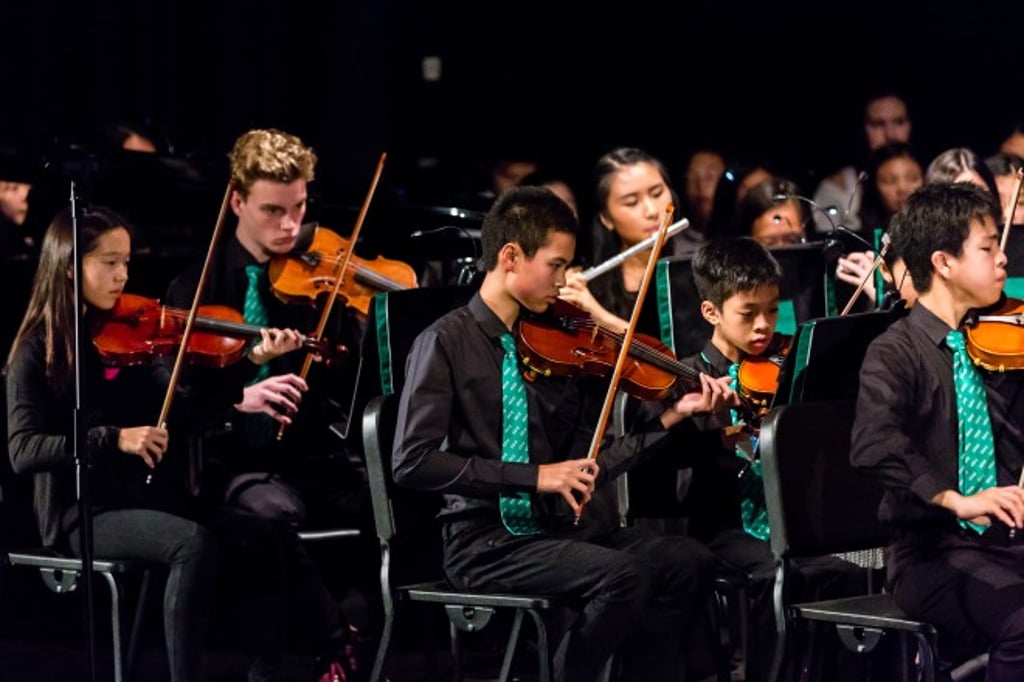
The school has encouraged subsequent intakes of fast-track secondary students to take an introductory summer course at the Goethe-Institut Hong Kong. This allows them to pick up the basics of the language and start building a vocabulary, while also lessening any concerns about starting to study other subjects in German.
“I’m pretty happy with the choice I made,” Signorotti says. “I really like the people at the school, who are all very supportive, and I have made a lot of friends.”
Having been at GSIS since the second year of kindergarten, 16-year-old Julian Zimmer knows the system well, which makes it possible to strike a good balance between academic and other activities.
He is taking 11 subjects as he works towards his final exams, plays drums and saxophone in a rock/jazz band, and is a competitive rower. He is also completely bilingual and currently weighing up the options for university and beyond.
“If I remain in Hong Kong, I might study medicine – the DIA is good preparation for that,” Zimmer says. “But it is also accepted everywhere in Europe, so I am looking at the possibility of a technical university there.”
Besides letting him take a wider range of subjects for longer, compared with the IB, the German curriculum also includes a short internship to gain work experience and new insights. For Zimmer, that meant spending a week with a firm of architects, where he designed a computer model for the refurbishment of a room in a local museum.
“It was useful because it confirmed I want to do medicine rather than work with a desktop in an office,” he says.
Where necessary, the standard curriculum can also be adjusted to meet specific needs. So, at GSIS, Mandarin is now one of the additional foreign language options, along with French and Latin, in the final two years. In language classes, apart from teaching regional and cultural aspects of the United States and Britain, there is also a focus on China’s role in the digital age. And components have been added to reflect Hong Kong’s evolving arts scene and new museum collections.
“The curriculum requires us to make reference to the country we are in, so we cover key aspects of Asian history,” Cichon says. “And we can always adjust the curriculum set by Germany to add regional developments or changes.”
One parent, Melody Xu, whose son entered the school’s Cultural and Language Integration Programme in Primary Years, or CLIPPY, which is for children who are 6-8 years old, is more than impressed.
“I believe the German approach provides a solid educational foundation, encourages children to be independent and curious, and helps to build confidence.” Xu says. “It is not only about learning languages or facts from the textbook, but also life values, social skills and more.”