Transforming Early Intervention: A Holistic Approach to Supporting Special Needs Children
While social acceptance is still a challenge, community understanding and developing comprehensive public education programmes go a long way to achieving inclusivity

[The content of this article has been produced by our advertising partner.]
In the educational landscape of Hong Kong, a revolutionary approach to early intervention is changing how we support children with special needs. This transformation is spearheaded by experts and academics including Professor Anna HUI and her pioneering research team at the Department of Social and Behavioural Sciences (SS) at City University of Hong Kong (CityUHK). Together, they are dedicated to redefining early childhood support through interdisciplinary collaboration, innovative technologies and a deeply compassionate framework.
Explaining the importance behind her work, Hui explains that the first six years of a child's life are crucial for development, a fact that lies at the core of early intervention strategies.
“Recent medical findings and research have told us that the first 2,000 days, that means the first six years, is a critical period,” she says.
By providing early intervention and training not only for children but also for teachers, parents, and their broader support systems, there is a greater chance to build a stronger foundation for future success.
“They would have a better chance to build a stronger foundation and a better life outcome,” Hui adds. This proactive approach shifts the focus from reactive measures to a comprehensive support system that engages all stakeholders at the start.
Tailoring AI for Education Plans
Traditionally, diagnosing and supporting children with special needs has been a centralised and often tedious process, with families frequently facing long waiting times at assessment centres. The innovative approach taken by Hui’s team brings specialised services directly into schools, creating what they refer to as “on-site” intervention. This shift not only streamlines the process but also ensures that support is accessible when it is most needed, making a significant difference in the lives of children and their families.
The intersection of technology and early intervention also presents unprecedented opportunities for enhancing support. Virtual reality, in particular, emerges as a highly effective tool for children with autism spectrum disorder (ASD), for example.
Hui explains that virtual reality helps to recreate places where these children previously had difficulty entering, like the dentist or barber. This immersive technology helps children adapt to challenging situations, providing them with essential skills and boosting their confidence. Moreover, artificial intelligence is transforming individualised education plans (IEPs), allowing for a more tailored approach. As Hui explains, “the system can enhance machine to learn... so it could generate something that is better than your resources.” This dynamic approach fosters a more effective educational experience, ensuring that children receive the support they need.
The methodology embraced by Hui’s research team transcends traditional intervention models. By developing a “tier one” service approach that integrates specialists directly into classrooms, they can ensure that intervention involves creating inclusive environments where all children can thrive. “We can help everyone. Particularly for those wait-listed children,” she emphasises.
Pushing for a Paradigm Shift
“By modifying classroom tasks and introducing sensory-friendly learning tools, the team can help create settings that support children with special needs while benefiting all students. This inclusive approach not only enhances learning experiences for children with special needs but also fosters empathy and understanding among their peers, promoting a more cohesive classroom environment,” Hui says.
Despite significant progress, social acceptance remains a formidable challenge. Hui highlights the importance of community understanding and reducing stigma surrounding special needs.
“Sometimes we see people blame parents saying that it’s poor parenting... but that is out of ignorance,” Hui observes. This lack of understanding can hinder progress and support for affected families. As such, the team advocates for a paradigm shift, urging society to recognise that children with special needs can excel when provided with appropriate support.
“If you can find a solution that works, and they are improving, they can be brilliant,” Hui asserts, emphasising the potential for success with the right interventions.
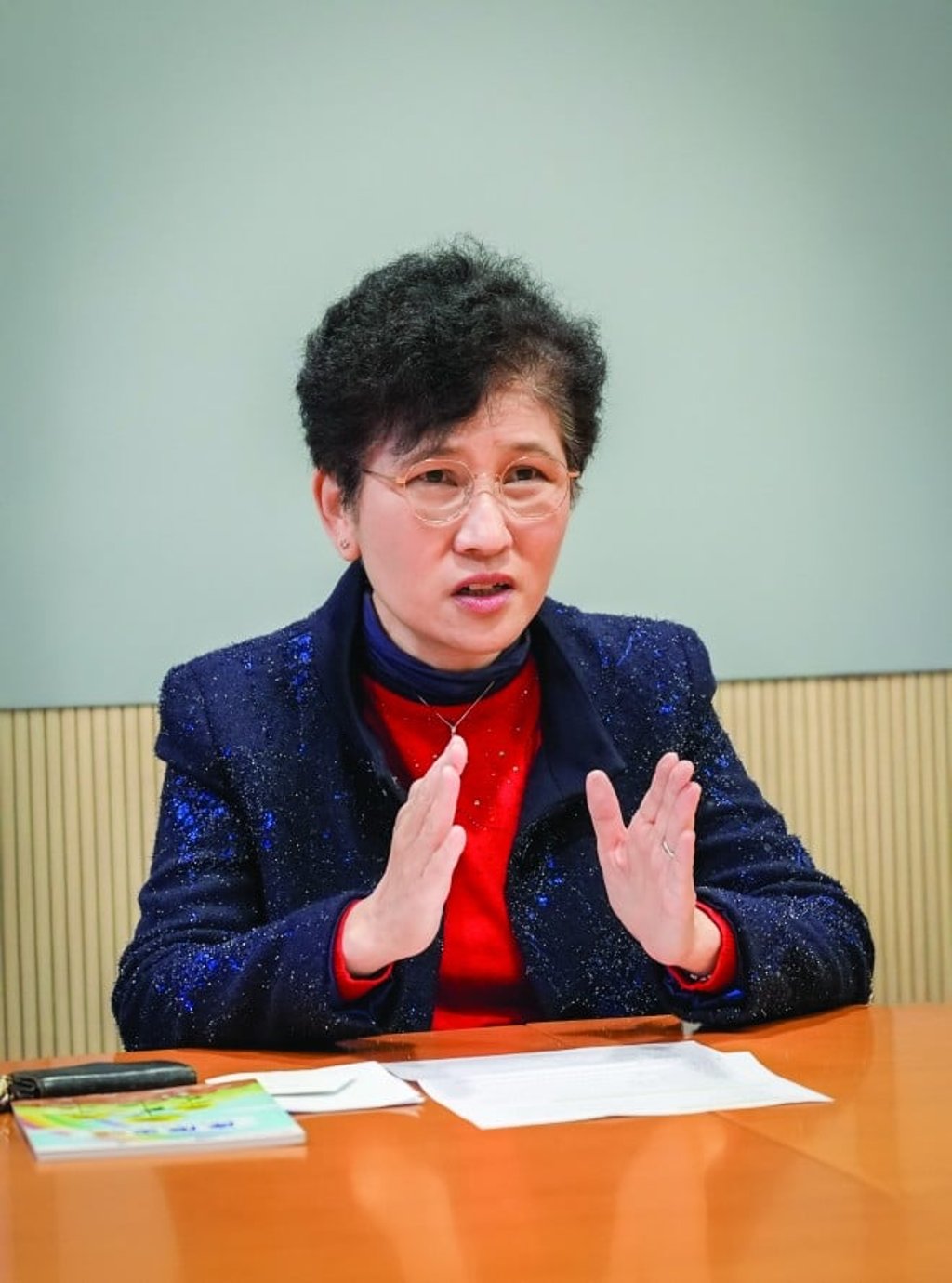
To foster a more inclusive society, Hui and her research team recommend developing comprehensive public education programmes that inform communities about diverse neurological differences. They stress the importance of celebrating individual strengths and capabilities rather than focusing solely on limitations. Encouraging schools, workplaces and public spaces to be more accommodating is vital for creating environments that welcome all children. Additionally, sharing success stories of individuals with special needs can help challenge stereotypes and promote understanding.
Beyond a Purely Scientific Approach
Looking ahead, Hui envisions immense potential in emerging technologies in helping this cause. She notes that “technology actually saves some resources”, highlighting the efficiency that these innovations can bring to early intervention practices. Mobile intervention vans, AI-powered educational tools and advanced virtual reality experiences are just the beginning of what is possible. “We remain hopeful to create some win-win situation if the government is willing to maintain its social investment,” she adds, expressing optimism about future developments in the field.
Ultimately, Hui stresses that early intervention transcends a purely scientific approach—it is fundamentally a human endeavour. She believes that by combining rigorous research, technological innovation and genuine compassion, systems can be created that truly support children’s potential.
“What we need to do is just help them find their shining spot and talents, and build on it,” she reflects, underscoring the importance of recognising and nurturing each child’s unique abilities. “Some disabilities are lifelong, but if you work with them appropriately, they can really shine.”
In the Department of Social and Behavioural Sciences at CityUHK, research focuses on various issues of populations at different life stages. This includes mental health and well-being promotion among primary, secondary, and university students, juvenile delinquency prevention among adolescents and youth, detecting child abuse and maltreatment to promote family and child health, retirement planning for middle-aged adults, and dyadic coping training for couples living with chronic illness.
Overall, the department works collaboratively to promote intersectional equity by addressing the educational, psychosocial, and economic issues faced by marginalised groups in society.