PCLL offers the lowdown on the ‘cut and thrust’ of legal life
CityU School of Law gives students a grounding in the day-to-day skills essential to a career in law

[Sponsored Article]
For students with their sights set on a career in the legal profession, a qualifying law degree is the first required step. Afterwards, though, they are expected to complete a postgraduate certificate of laws (PCLL).
This one-year, full-time programme is designed to teach essential professional skills like drafting, interviewing, advocacy and preparing briefs. And, more broadly, it is preparation for the demands, challenges and general cut and thrust of life as a trainee solicitor or pupil barrister.
“We equip students with the practical lawyering skills they will need when they go out to start work,” says Theresa Low, PCLL programme director at CityU’s School of Law and a practising barrister. “They learn through instruction and experience, and the small-group teaching by faculty members and outside practitioners is found to be very effective.”
With an annual intake of 210 – roughly half of whom come from overseas – the programme’s main aim is to ensure “employability”. Before applying, most students know which branch of the profession they hope to enter. But they benefit immensely from the all-round training which covers everything from speaking to clients and drafting a summons or affidavit to writing letters of advice and taking part in moot proceedings in the High Court.
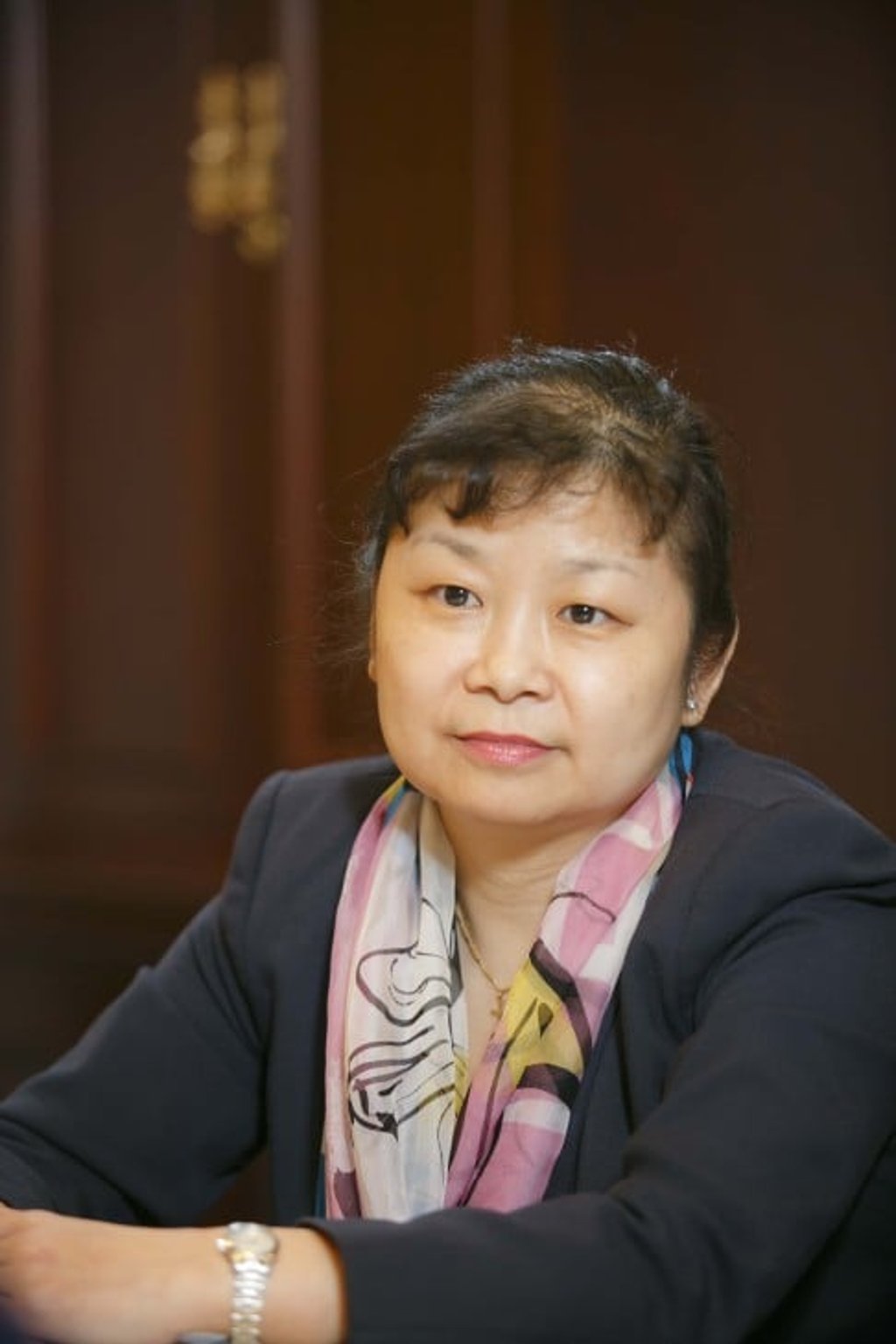
“We teach practicalities and soft skills,” Low says. “For instance, in the courtroom setting, students may act for the prosecution, the defence or as a witness. And we ask actual judges or practitioners to oversee the case.”
This provides invaluable experience of doing openings, examinations in chief, cross examinations, closing submissions, and of what it feels like to deal with questions and interjections from a judge.
In classes, it is assumed that students already have a good grasp of the law. However, teachers will quickly review certain key principles or, for complex subjects like wills and probate, may also address some of the more substantive areas.
“The majority of courses have some kind of interviewing or role-play,” explains Dr Peter Chan, formerly a litigator and now an assistant professor and associate director of the PCLL programme. “Through these exercises, students learn to say things in the right way and how to put a client at ease. These are important skills.
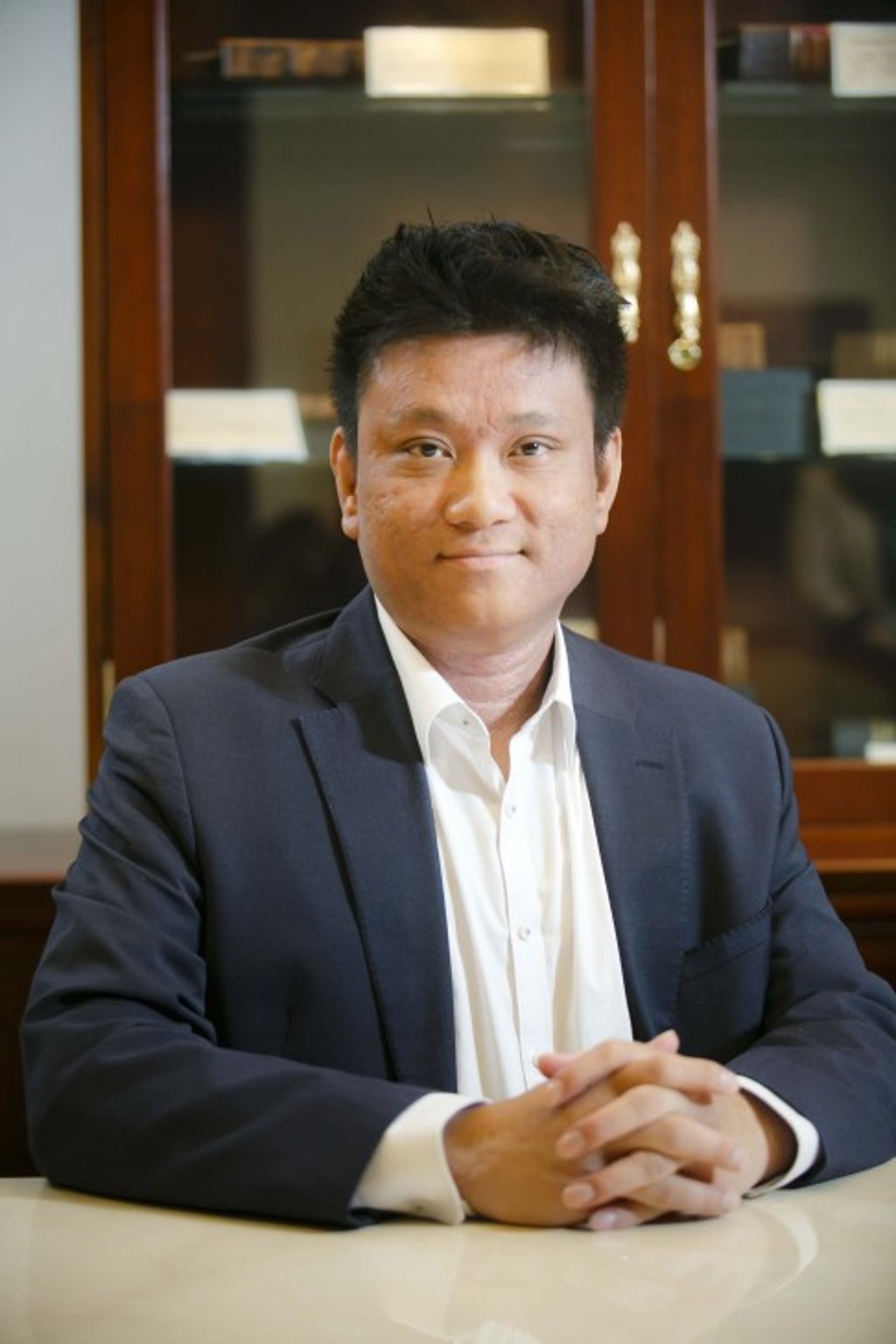
Chan adds that with the help of video recordings, tutors’ comments and class feedback, students also see the importance of acting differently when dealing with, say, a financial regulator or a personal injury victim.
“We teach them to empathise and communicate better,” declares Chan.