Growth and Self-Discovery: Two Perfect Scorers Reflect on Their Time at YCIS

[Sponsored Article]

The Road to Medicine
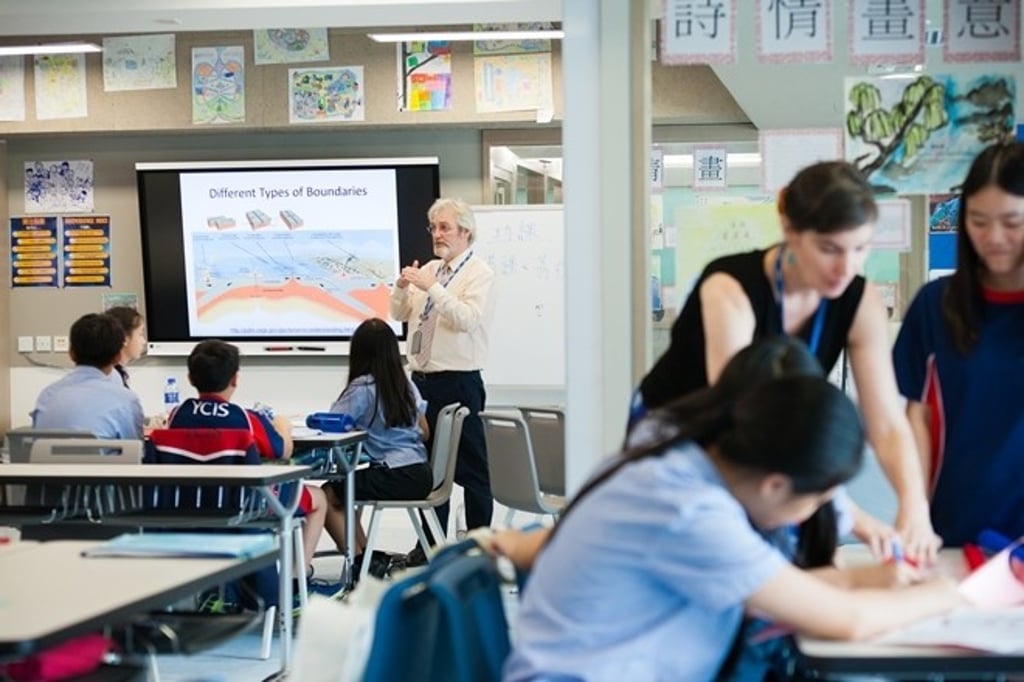
Unlike many students who have their heart set on medicine from a very young age, Isabella never considered becoming a doctor until she began her IB studies. “Before I came to YCIS, Maths and Chemistry were my weakest subjects. I always thought I would study something related to the liberal arts,” she recalls. Having never studied at an international school prior to joining YCIS, Isabella enrolled in the school’s IB Pathway programme, which is specially developed to support Year 11 students who wish to enhance their knowledge base and skills in preparation for the IB Diploma programme. As she rarely used English in daily life beforehand, adjusting to the school’s immersive English language environment was not without its challenges. Thankfully, her friendship with another IB Pathway student, a native English speaker, helped her become more fluent in the language over the course of the programme. Isabella also credits the IB Pathway programme for boosting her confidence in Maths and Chemistry, which encouraged her to choose Chemistry as one of her subjects for the IB Diploma.
The Road Less Taken: Taking a Gap Year
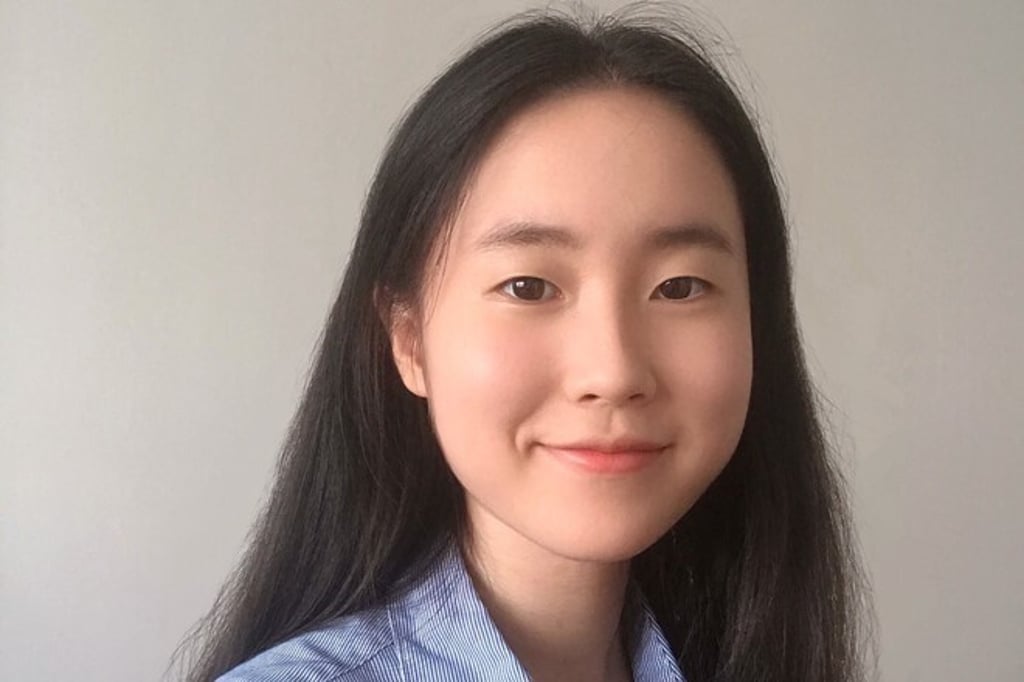
Taking a gap year is still a relatively novel idea for many students in Hong Kong, let alone for a student with a perfect IB score. Initially, Christy intended to study Computer Science or the Physical Sciences at university. However, staying at home during social distancing gave her the opportunity to reflect on her own interests again. Christy is also now considering studying other subjects at university such as the Visual Arts, a medium she is interested in using to tell stories, or something as specialised as East Asian Studies. Asked what she would do during her gap year, Christy says she hopes to take more online courses to further develop her interests. She already has a strong track record for self-learning, having taught herself to code by using the advanced programming language, Python. Unlike Isabella, she hopes to study abroad in America as the liberal arts system would allow her to major and minor in a range of diverse subjects.
“They Teach with Passion and Patience”
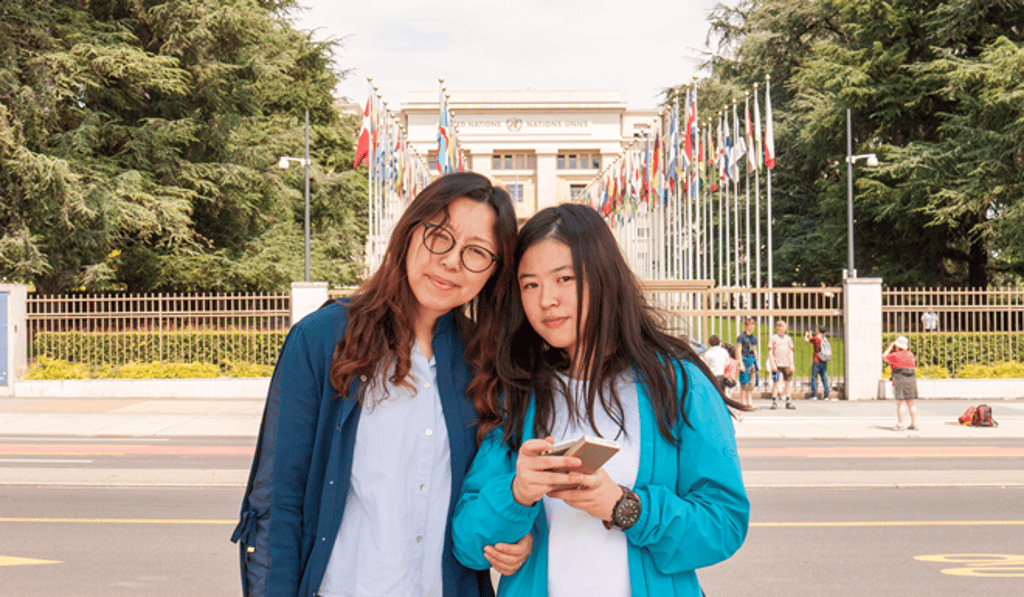
When asked what one's most unforgettable memory at YCIS is, most students would choose their CAS project or talk about the exciting excursions offered by the school. However, for Isabella, it is the emotional support from her friends and teachers during the difficult lows. During the COVID-19 pandemic, she told one of her teachers she had been feeling stressed recently. Concerned, the teacher in question immediately asked another female teacher to call Isabella, who gave her suggestions on how to approach her studies more calmly. Her teachers’ attentiveness to students’ wellbeing and their willingness to share their own life wisdom was something Isabella will always remember.
Support for University Applications
“I tried to apply the knowledge and concepts I learnt during my IB course to situations in daily life,” Christy suggests, “For example, when I watched the news I would use the concepts I learnt from Economics to analyse the news. I think this is a really useful tip for studying because you are using the knowledge you learnt in your daily life. This helps you confirm whether you actually understand the content.” She also uses a special revision method where she splits a page into two columns, writing detailed notes on the right column and key points and questions on the left column. She uses the information on the left to prompt her knowledge on the right.
As for Isabella, time management was the key. Never a planner to begin with, it took Isabella a few mistakes before she realised the benefit of making detailed plans. “Making a plan every day helps you be more mentally prepared for what is to come. Before you go to bed every day, you have a good idea of what needs to be done tomorrow. You will be calmer and then you can go to sleep more easily,” she shares. Isabella also thinks it is important to talk to friends and teachers whenever students feel stressed because of their studies. She says, “Although they might not always be able to give you advice, talking about it helps to release the negative emotions.”