CityU MBA experiential-based learning initiatives enrich students MBA journey with real-world experiences
[Sponsored article]
Designed to prepare students to take on business leadership roles that span disciplines, industries and regions, tailor-made experiential learning initiatives — a core part of the CityU MBA programme — enable students to gain first-hand experience of how to navigate real-world business challenges against a backdrop of increasing uncertainties.
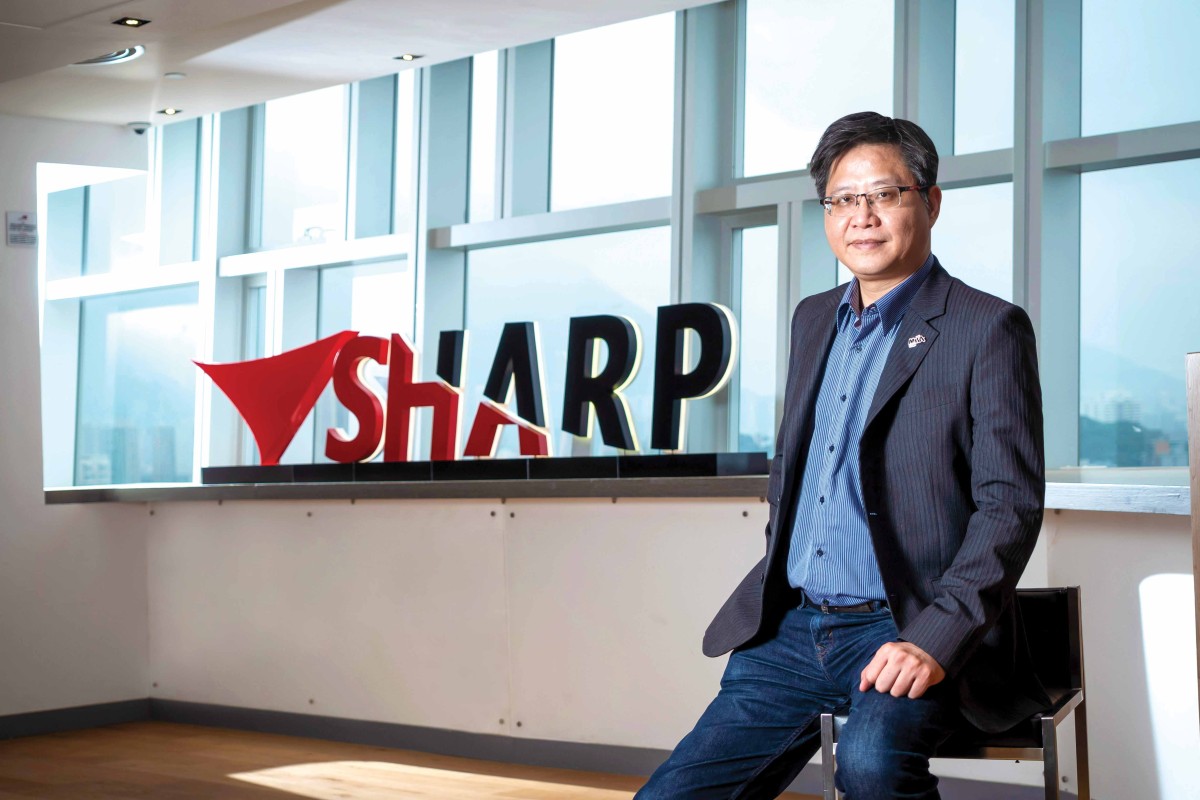
Given the complex nature of the global business environment and the needs of today's businesses practices, experiential learning or "learning by doing" enable students to gain practical experience they can apply in real-world situations, says Prof Kevin Chiang, director of the CityU MBA programme and professor of management sciences at the College of Business, City University of Hong Kong (CityU). "Experiential learning adds breadth to the depth of our MBA programme by helping our students to develop the skills that will set them apart throughout their careers," says Chiang who explains that a well-designed experiential learning programme should empower students to draw on the experience of working with the partnering organisations while applying the various skills acquired during the classroom sessions.
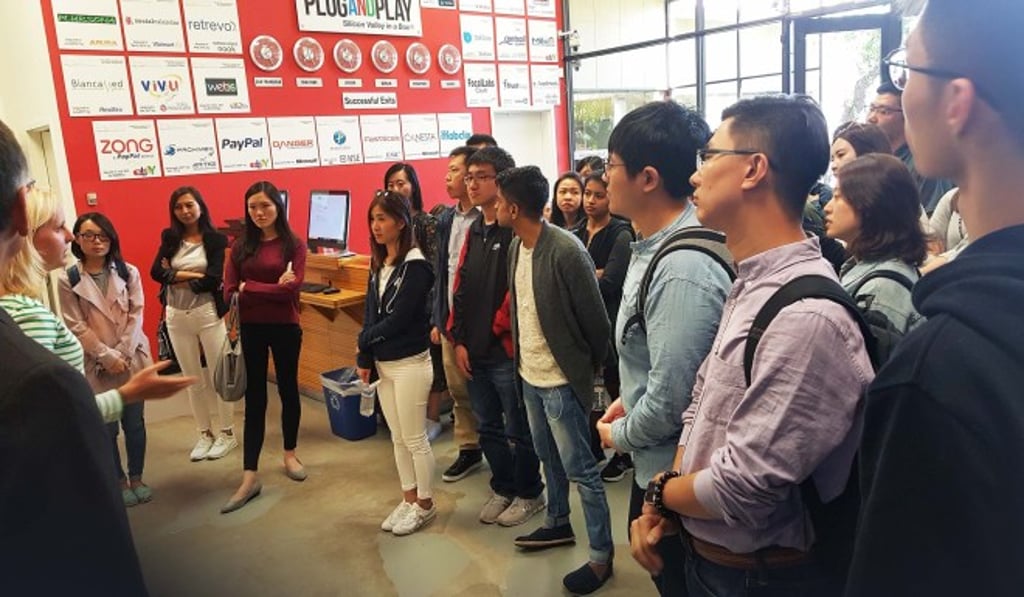
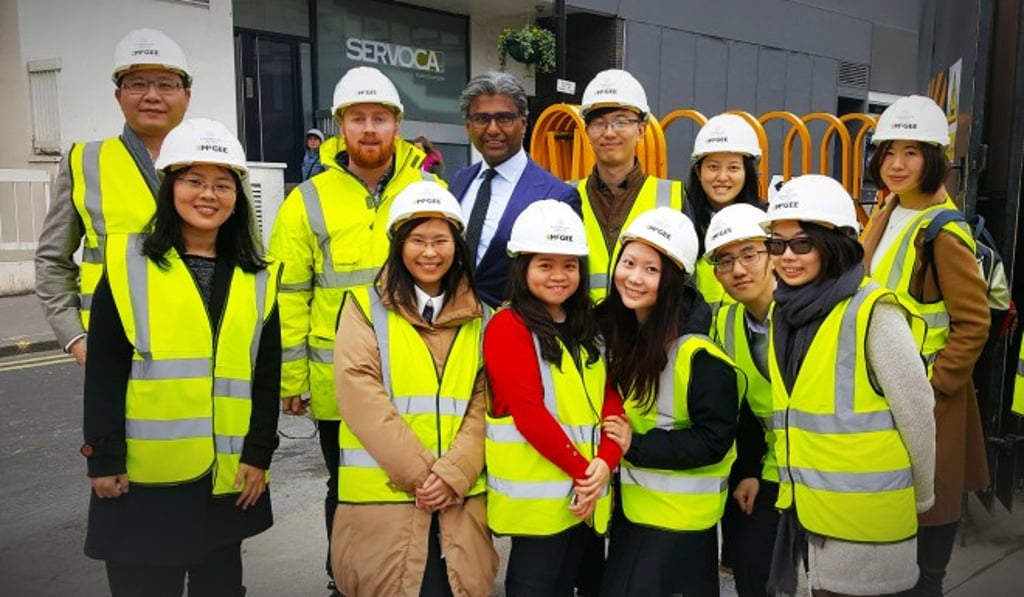
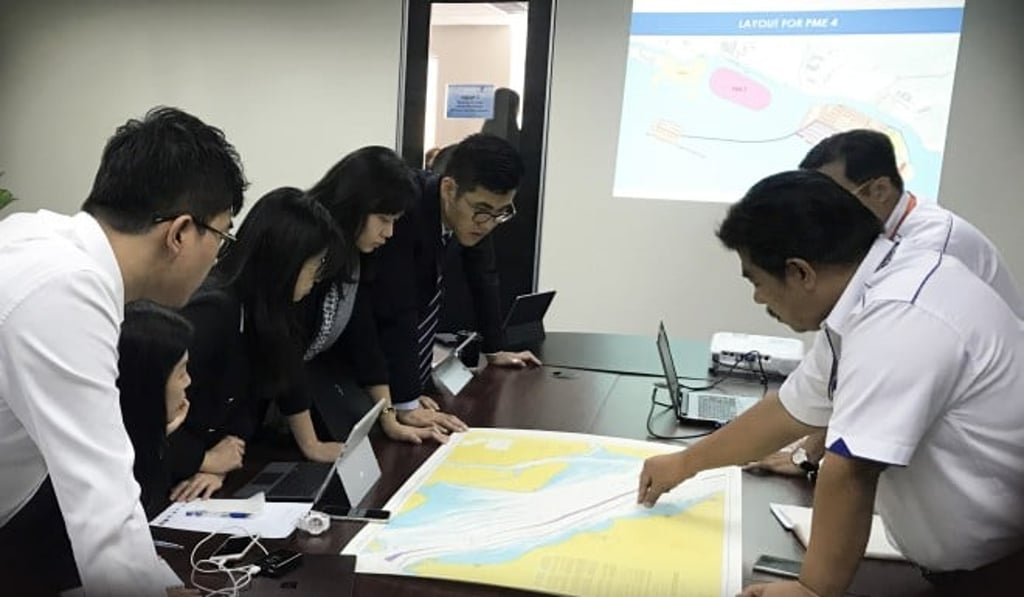
While case studies have well-defined problems and challenges and measurable factors, Chiang explains that in experiential learning situations, students are exposed to real-life, real-time decision making. As business challenges become increasingly multifaceted, for example, experiential learning allows students to work directly with partnering companies to solve problems being faced in their specific company or industry. In addition to problem solving skills, students are able to practice their soft skills, which include communicating with senior managers, executives, department heads and clients. Importantly, says Chiang, no matter which career they choose, experiential learning experiences can help students to increase their business acumen and develop the cross-functional decision-making skills that are crucial for any profession. The experiential-based learning initiatives offered by the CityU MBA include an Entrepreneurship Workshop in the US, a Global Brand Management Workshop in the UK and an Enterprise Diagnostic Residential Trip in Asia.
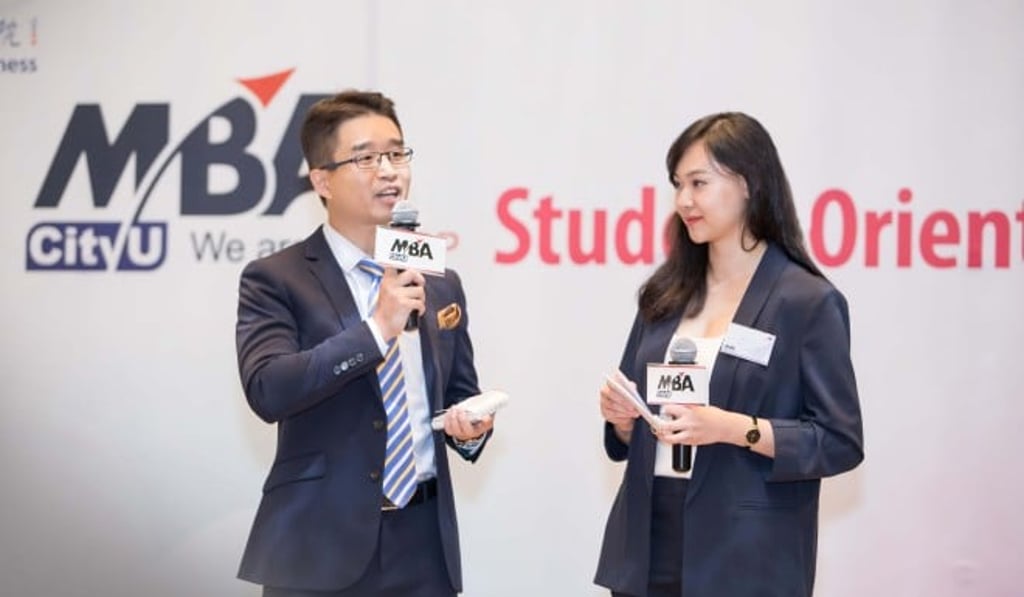
With the fulltime and part-time MBA programmes both able to accommodate about 35 students, Chiang says the cohort size ensures a good range of student diversity, while still allowing for an extensive experiential learning experience. Chiang stresses that a diverse student mix, which ensures dynamic cohort interaction and networking experiences is key strength of the CityU MBA programme. While the CityU MBA curriculum — which consists of 19 credits of compulsory courses — is designed to sharpen students understanding of business fundamentals, for students who are interested in making a career pivot or advancing their interests in topics in a specific discipline, the programme also offers a concentration curriculum, which features five disciplines namely, accounting, finance, information management, marketing and supply chain management. Furthermore, Chiang adds that the Programme is consistently looking for new and relevant ways to develop and sharpen students' knowledge, business acumen and equip them with the skills and confidence readiness to take on new challenges. In addition to a focus on "sharp" learning, Chiang explains the SHARP acronym underpins the Programme’s ethos to foster a business education environment with world-class Software, state-of-the-art Hardware, and well-connected Alumni so as to boost global talent Recruitment and power students to achieve a career advancing Placement.