CUHK amplifies the power of knowledge transfer
[Sponsored Article]
Academic research has always been the cornerstone of innovation and, in recent years, the Hong Kong government has placed increasing emphasis on ways to translate breakthrough research into real-world solutions which can have a positive impact on society.
This was reflected in 2020’s Research Assessment Exercise (RAE), which saw the University Grants Committee include “research impact” as a specific part of their appraisals for the first time. The stated aim was to encourage universities to focus not just on academic-style research, but also to consider more fully how and where their findings could be used to change the lives of people in the wider community for the better.
As it turned out, submissions by local universities for the RAE were well received, with 70 per cent judged as “world leading" and "internationally excellent". A number of these were the work of teams at The Chinese University of Hong Kong (CUHK) in fields ranging from medicine and applied engineering to education and law.
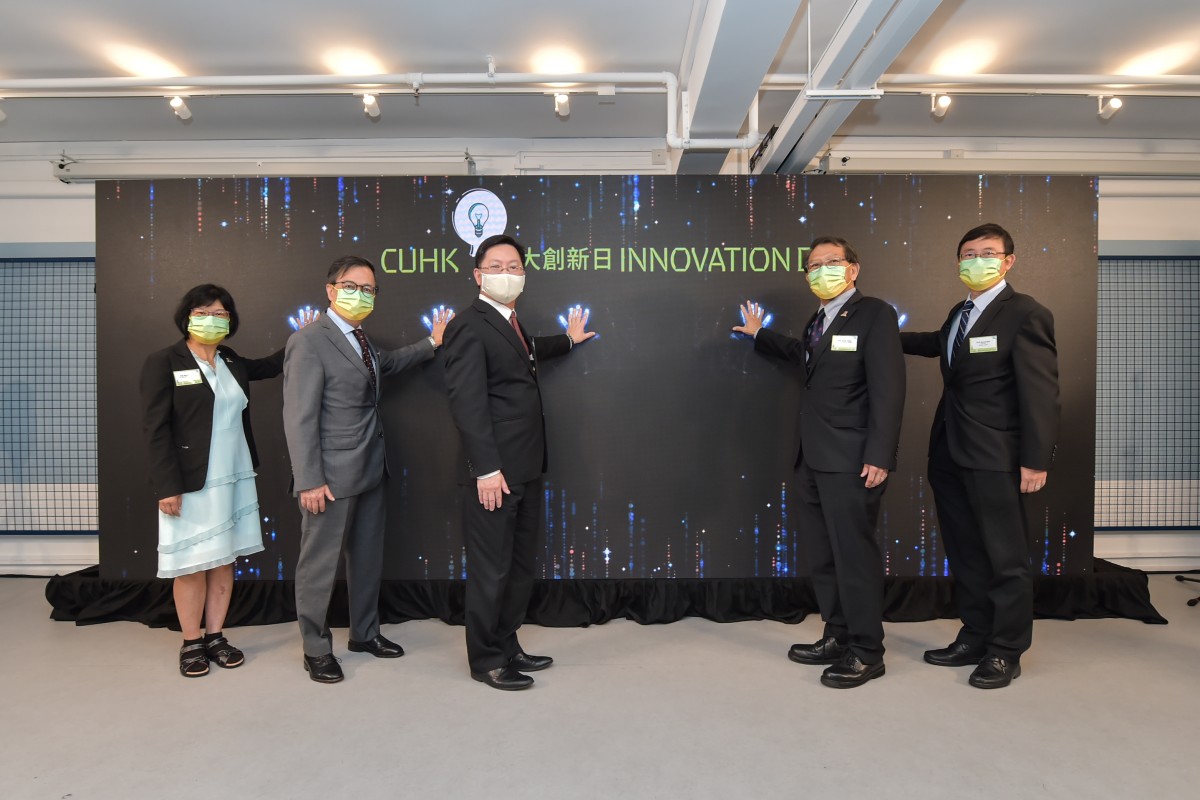
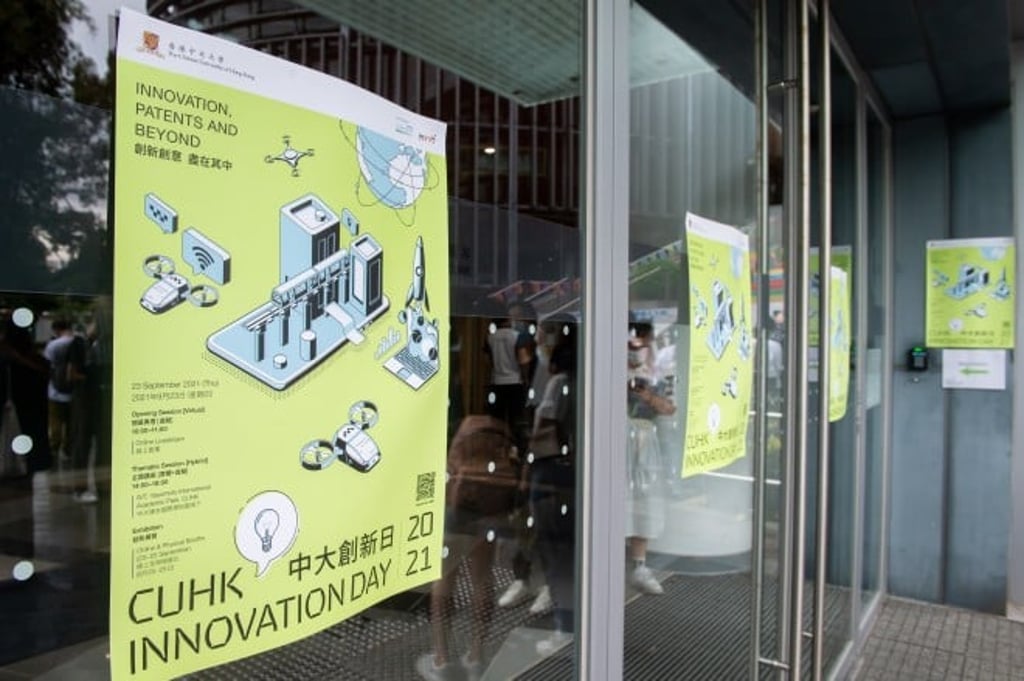
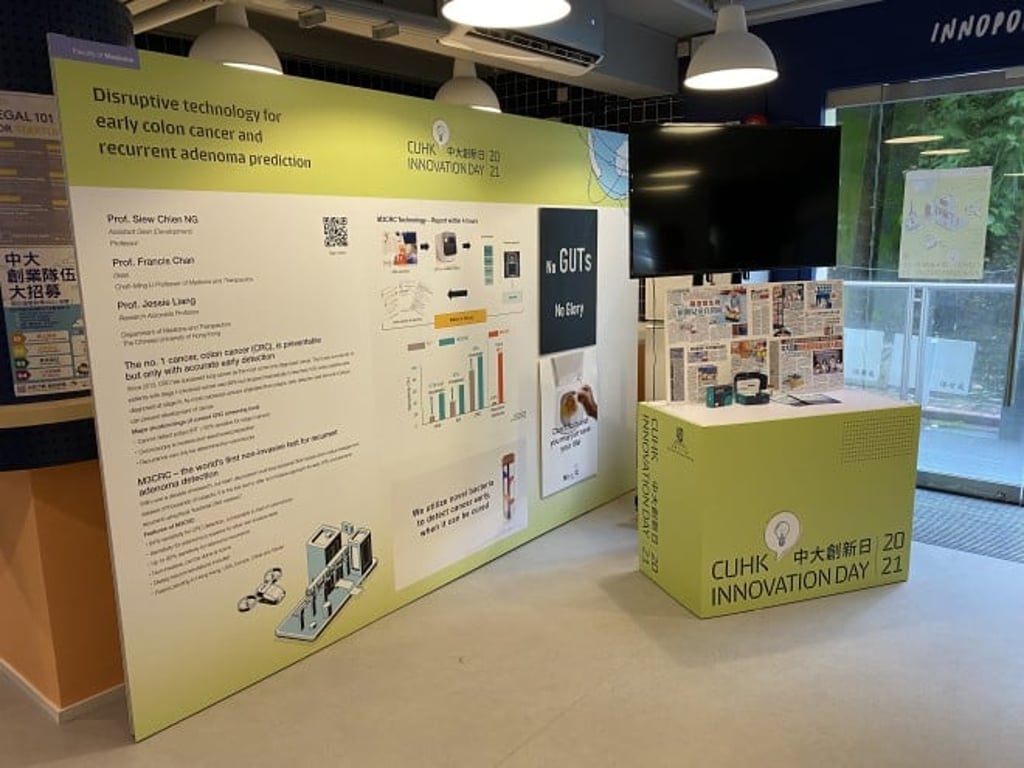
To build on this, CUHK hosted its first on-campus Innovation Day in September. The event featured 20 groundbreaking research projects, showing how each could help to solve existing problems and, in due course, bring a combination of economic and social benefits.
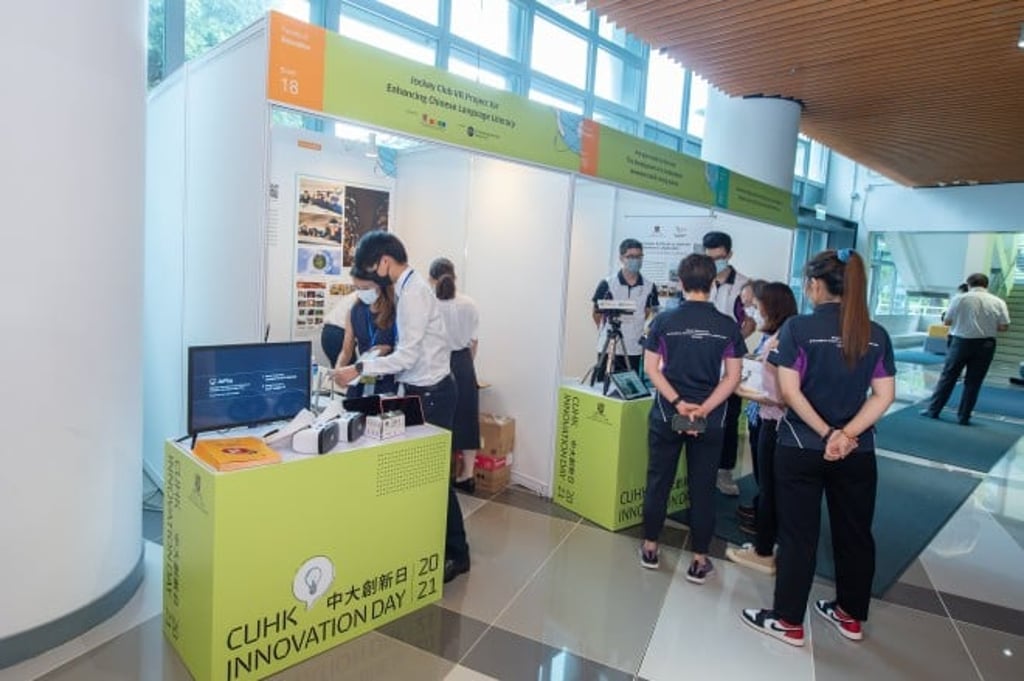
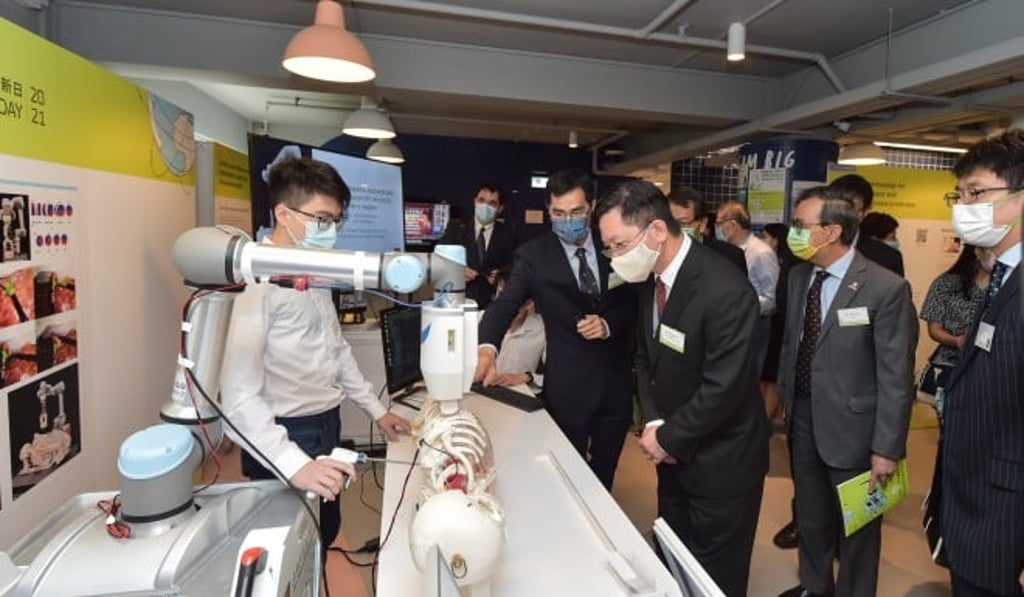
Examples included new technologies for the early detection and predicted risk of colon cancer, as well as an intelligent magnetic anchored and guided endoscope for minimally invasive surgery, and VR teaching materials to enhance Chinese language literacy.
For certain projects, the next logical stage will be to press ahead with innovative product development or attract new investment. In other cases, the more immediate objective may instead be to improve the type of services available for different beneficiaries, enhance cultural understanding, or influence public policy.
As a model in this respect, a number of UK-based universities have been showing the way in how to create broader impact. For instance, the University of Manchester has used its leading position in radio astronomy research to promote general science education and even local tourism in a series of public engagement activities. And the University of East Anglia has drawn on its expertise in environmental science to improve forestry conservation and related policymaking in Brazil.
In Hong Kong, CUHK is keen to put research theory into practice in similar ways and has put various funding schemes in place to make things happen.
For example, in a pioneering move, the university has established both a Knowledge Transfer Project Fund (KPF) and a Sustainable Knowledge Transfer Project Fund (S-KPF) to provide financial and consultancy support to help academics develop self-sustaining social projects and set up social enterprises.
In 2014, the University received funding from the Technology Start-up Support Scheme for Universities (TSSSU), which aims to support professors in commercialising their research-backed technologies. This was used to encourage the development of downstream applications of research projects into new products and services in the form of registered companies.
For instance, Professor Gladys Tang of CUHK’s Department of Linguistics and Modern Languages founded SLCO Community Resources, which promotes sign-language bilingualism. It has since helped to support social inclusion, positively influenced policymakers, and brought multiple benefits for the deaf community.
Another standout project is led by Professor Catherine So of the Department of Educational Psychology. Her company, Science and Technology for Autism Remediation, or STAR, uses “social” robots and related training programmes to help in the education of children with autism spectrum disorders and improve their social and communication skills.
In contrast, Professor Raymond Yeung of the Department of Information Engineering co-founded n-hop technologies to solve the problem of data loss across wireless networks with BATS technology. Recently deployed in Lantau country parks, this provides internet connectivity in locations which cellular phone networks don’t cover.
Staying on top of industry trends, other CUHK research projects are now making good use of big data to create commercial applications. Examples include companies like Health View Bioanalytic, led by Professor Benny Zee, and DeepHealth, led by Professor Kelvin Tsoi of the Jockey Club School of Public Health and Primary Care. The former can better assess the risk of stroke, diabetes and dementia and thus enable appropriate preventive measures. While the latter lets doctors and patients monitor blood pressure readings with a user-friendly mobile app, which assists the consultation process, lessens the workload for medical professionals, and makes quality healthcare more accessible.
Innovative solutions like these are helping to meet society’s ever-evolving needs and show how academic research is critical to advances in industry and the commercial world which have a far-reaching impact.