All in the family: 3 entrepreneurs today who found success thanks to support from elders
- Economic slump caused by Covid-19 shows need for Hongkongers to build up cash savings and provide financial security for future generations
- Property developer Rita Tong Liu, fashion brand founder Rachel Lim and drone maker Frank Wang able to launch companies with funds from families

[Sponsored article]
The world we live in is ever-changing and full of uncertainties, making it more important than ever to plan for the future.
As the coronavirus disease, Covid-19, continues to spread, the global economy is expected to plunge into the worst recession since the second world war, according to a June report by the World Bank.
Hong Kong is already feeling the pinch. The city’s gross domestic product – a common indicator of the health of an economy – fell by 9 per cent in the second quarter from a year earlier, according to government statistics. Meanwhile, the unemployment rate has more than doubled in the past year, reaching 6.1 per cent in August.
A sudden economic downturn can often put pressure on families with young children. The economic impact of Covid-19 could undermine children‘s long-term access to health care or education, says a study published in August by Unicef, the UN Children’s Fund.
Hong Kong is also one of the world’s most expensive cities in which to live and raise a child. The Bauhinia Foundation Research Centre, a private think tank in the city, estimated that the average cost of raising a child in Hong Kong until the time they graduate from university can be as high as HK$5.5 million (US$709,650). This means that accumulating wealth could be essential to help safeguard the future of the next generations.

Turning family savings into big successes
Several of the world’s most successful entrepreneurs were able to get their businesses off the ground thanks to financial support from their families.
Richard Branson, founder of the multibillion-dollar British conglomerate Virgin Group, founded his first magazine in his parents’ basement as a teenager and has said the business only survived because of funds provided by his mother. Similarly, Larry Page and Sergey Brin, the co-founders of tech giant Google, set up their first headquarters in a rented garage and bought servers using capital from family and friends.
In Asia, there are a number of similar success stories in which relatively small amounts of savings from loved ones were transformed into thriving businesses, building a foundation for future fortunes.
Rita Tong Liu, the 72-year-old founder of Hong Kong real estate investment firm Gale Well Group, is one of the city’s most successful businesswomen. Now the fourth-richest woman in Hong Kong, she made her fortune by turning a family gift of HK$1 million (US$129,000) into a company that in 2018 had an estimated value of US$3.4 billion.
In a 2018 interview, Liu said she got a head start on her entrepreneurship journey by investing the money gifted from her husband’s family in the early 1970s. Their contribution was pivotal for Liu, as she quickly became renowned for her bold property acquisitions and built up the business from a small family company into a major property developer.
Today, her company’s portfolio includes the retail and office tower block Austin Plaza, and the 31-storey China Insurance Group Building, both in Tsim Sha Tsui.

Similarly, Rachel Lim, the Singaporean founder of women’s fashion brand Love, Bonito, was able to take a huge risk to start her business at age 21 because of financial help from her family.
Lim, 33, said in an interview in March that she borrowed her mother’s life savings to pay off her study fees so that she could leave university to pursue her fashion dreams full time. With many fashion brands at the time catering mainly to Western women, Lim took a leap of faith by launching an affordable fashion line specifically targeting the Asian market.
Since then, Love, Bonito has grown into a multimillion-dollar fashion empire that is popular across Southeast Asia. In 2018, it raised US$13 million in funding led by the Japanese comparison shopping website Kakaku, Tech in Asia reported. Lim is also the face of her brand, with more than 110,000 followers on Instagram.
In the case of Frank Wang, the 40-year-old founder of Chinese drone manufacturer DJI, close friends took on the role of family to help kick-start his business. But the seeds were planted during Wang’s teenage years, when he was given a remote-controlled helicopter as a present by his parents that first got him tinkering with devices.
In 2006, Wang founded DJI while still a student at the Hong Kong University of Science and Technology, with the goal of developing flying toys. He drew from a modest amount of capital to get started, with funding from a family friend, Lu Di, helping the business to survive the initial lean years.
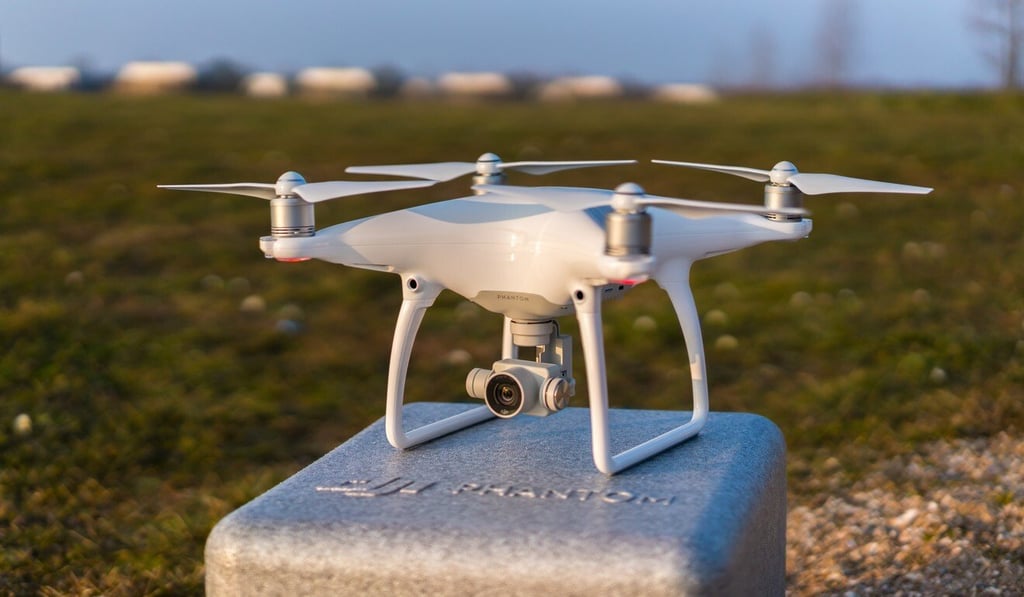
Over time, Wang was able to accumulate HK$2 million (US$258,000) to rent a small office in Shenzhen, according to Chinese media. DJI grew significantly in 2013 when Wang created the Phantom, DJI’s first successful mass-market drone, using sophisticated hardware that set it apart from the offerings of his competitors at the time.
Today, Forbes magazine estimates Wang’s wealth to be about US$4.8 billion, and DJI is the world’s leading drone maker, controlling more than 70 per cent of the consumer market. It shows how small contributions from loved ones can build the foundation for future fortunes.
Preparing for the future
Accumulating wealth often requires persistence. One risk-averse way to boost long-term savings is to invest in products that provide a regular source of guaranteed income.
ManuCentury is a life insurance plan offered by insurance company Manulife Hong Kong. It provides a regular income by guaranteeing a cash payment that is worth 5 per cent of a policy’s notional amount every year*, all the while boosting your potential returns through a non-guaranteed terminal bonus. The annual payments are made for up to 100 years after the policy comes into effect*.
It also provides you with the option to change the policy to cover a loved one of your choice, thereby allowing your wealth to be passed on to children or even grandchildren. This ensures that the next generations of your family will have the financial security they need to achieve their dreams.

While ManuCentury helps you plan your legacy for the long term, it also offers options to enjoy your savings sooner rather than later. From the 15th policy anniversary onwards#, you can lock-in up to 50 per cent of your non-guaranteed terminal bonus to earn non-guaranteed interest^. You also have the opportunity to withdraw the amount, providing you with extra cash to enjoy during your life in retirement - for example, taking a well-earned holiday with family and friends.
*Guaranteed cash payment equal to 5 per cent of the notional amount is payable every year starting from the 1st policy anniversary.
#From the 15th policy anniversary and on every policy anniversary thereafter.
^The aggregate lock-in percentage in any 15 consecutive years shall not be more than 50 per cent.
Disclaimer: The above article only provides an overview of the ManuCentury product for general reference. Please visit Manulife’s website for the product leaflet which includes more details about this product, including a section called “Important Information” that shows the product risks.