Education Bureau adopts Jockey Club’s ‘JC A-Connect’ to support more children with autism and foster inclusion

[Sponsored Article]
For children with autism spectrum disorder (ASD), who may struggle to communicate and interact socially, school can be a particularly gruelling experience. So, in 2015, made aware of the rising number of children with ASD in local schools, The Hong Kong Jockey Club decided to act.
For six years, the pioneering JC A-Connect: Jockey Club Autism Support Network, a project initiated by The Hong Kong Jockey Club Charities Trust with a donation of over HK$410 million, has been providing holistic assistance for autistic children and their families. Its school support programme has already been implemented in 510 mainstream schools in Hong Kong, helping over 60 per cent of students with ASD and different educational needs.
Working in collaboration with the Education Bureau (EDB), the University of Hong Kong’s Faculty of Social Sciences and eight nongovernmental organisations (NGOs), JC A-Connect has enhanced support for the students, their families and schools, helping to foster an inclusive environment and deal with issues as they arise.
In light of this remarkable achievement, the EDB will adopt this proven service model in all ordinary public primary and junior secondary schools, starting from the 2021/22 school year, in order to support even more students with ASD.
This development was highlighted at the “JC A-Connect Celebration Ceremony cum Achievement Sharing” event held at Tai Kwun – Centre for Heritage and Arts on August 11. Secretary for Education Kevin Yeung, alongside Leong Cheung, The Hong Kong Jockey Club’s Executive Director, Charities and Community, officiated at the ceremony.
“The JC A-Connect project has achieved fruitful results,” Mr Yeung said. “I would like to take this opportunity to thank The Hong Kong Jockey Club Charities Trust for initiating and funding the project, as well as the University of Hong Kong for its professional leadership, and various NGOs for their efforts. The project demonstrates the powerful impact of cross-sectoral collaboration, injects new impetus into educational services, and lays a solid foundation for supporting the development of autistic students.”
Mr Cheung added that JC A-Connect’s outstanding achievement, as with all the Club’s community initiatives, was made possible through an integrated business model, which enables it to contribute tax and charitable support to Hong Kong for the betterment of society.
“It is most encouraging that the Education Bureau is adopting and regularising JC A-Connect’s school-based support service model in ordinary public primary and junior secondary schools starting from the 2021/22 school year, providing continuous support for more autistic students. The Club is honoured that the innovative and cross-sector collaboration that it has driven can serve as a policy reference and that it has worked hand in hand with different sectors to create impactful change in society.”
JC A-Connect was initially set in motion after EDB statistics showed that in the four school years from 2009/10 to 2013/14, the number of students diagnosed with ASD in public schools rose from 2,050 to 4,970. Projections also indicated an expected 15-20 per cent increase in each succeeding year.
The JC A-Connect project utilises the expertise of NGOs to support school-based training to improve the social and communication skills of ASD students, as well as their ability to manage their emotions. It takes advice on how to enhance learning strategies to help them better integrate into mainstream school life. And it offers training for teachers and service providers to enhance the sustainable development of ASD support services.
JC A-Connect also provides practical assistance for parents and families through 18 community centres. In addition, it organises educational activities to raise public awareness and understanding of ASD.
In the new school year, the EDB will adopt JC A-Connect as a tier-two support model under its three-tier intervention model. That entails small group training to enhance social adaptation and learning, thus strengthening support for autistic students.
Dr Kathy Wong, Project Director (school support) for JC A-Connect
and principal lecturer at the University of Hong Kong’s Department of Psychology, emphasised that school-based coaching must be sustained in order to maintain effectiveness and improve outcomes. This is especially important if the number of diagnosed cases continues to rise.
Dr Wong noted that the training programme’s most noticeable impact so far had been among junior primary students with ASD. This reflects the fact that early intervention allows them to tackle specific issues at a young age, thereby greatly benefitting their overall learning and development.
Mr Cheung of The Hong Kong Jockey Club said he was honoured that the government recognised JC A-Connect’s achievements and had promised to adopt the project’s support model. This was crucial since the model had clearly made a positive difference for children, schools and parents over the past few years, but much still remained to be done.
“We will continue to support autistic children and to enhance the public’s understanding of ASD,” Mr Cheung said.
Going forward, JC A-Connect will put more emphasis on strengthening support services in the coming two years with earlyintervention and by providing systematic caregiver training for families in need. To maintain and support the sector’s development and build a network of ASD specialists, the project will also continue to expand its online learning platform and organise professional networking activities.
Meet Bling Bling, star of the JC A-Connect project
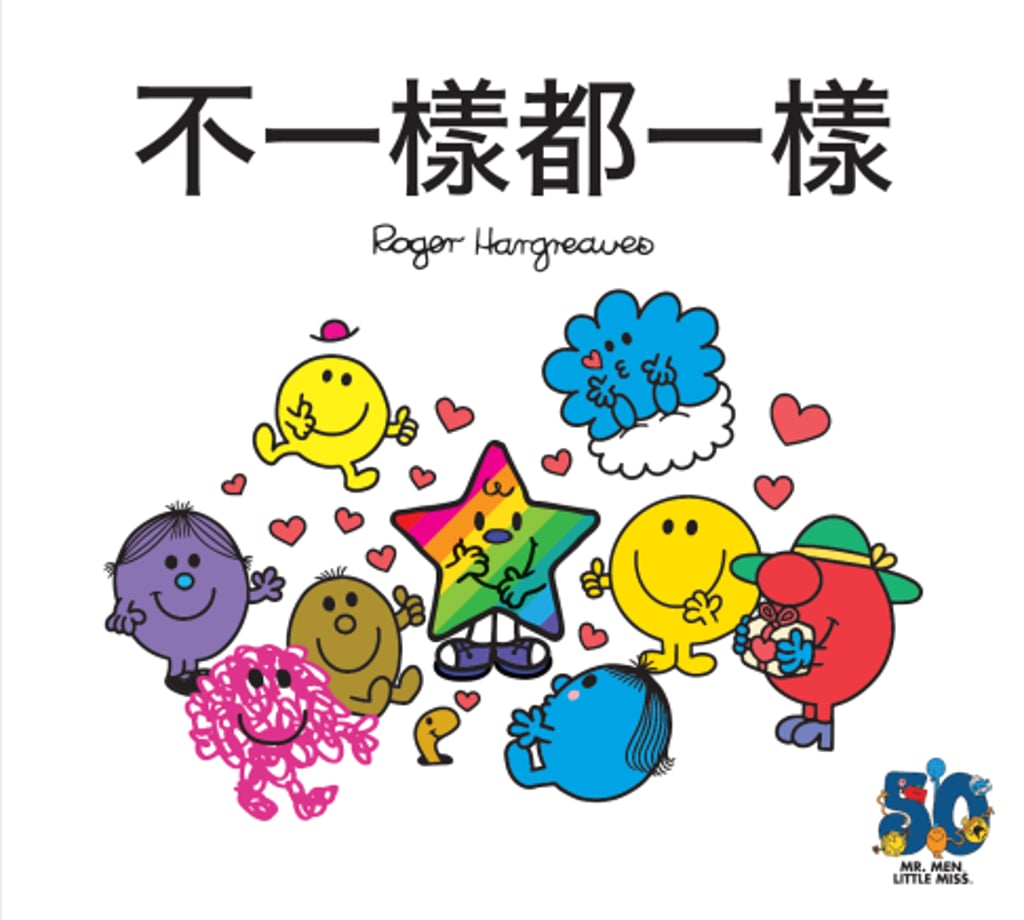
JC A-Connect has a new ambassador who goes by the name of Bling Bling. The rainbow-coloured, star-shaped character features in a series of promotional activities intended to raise awareness about ASD.
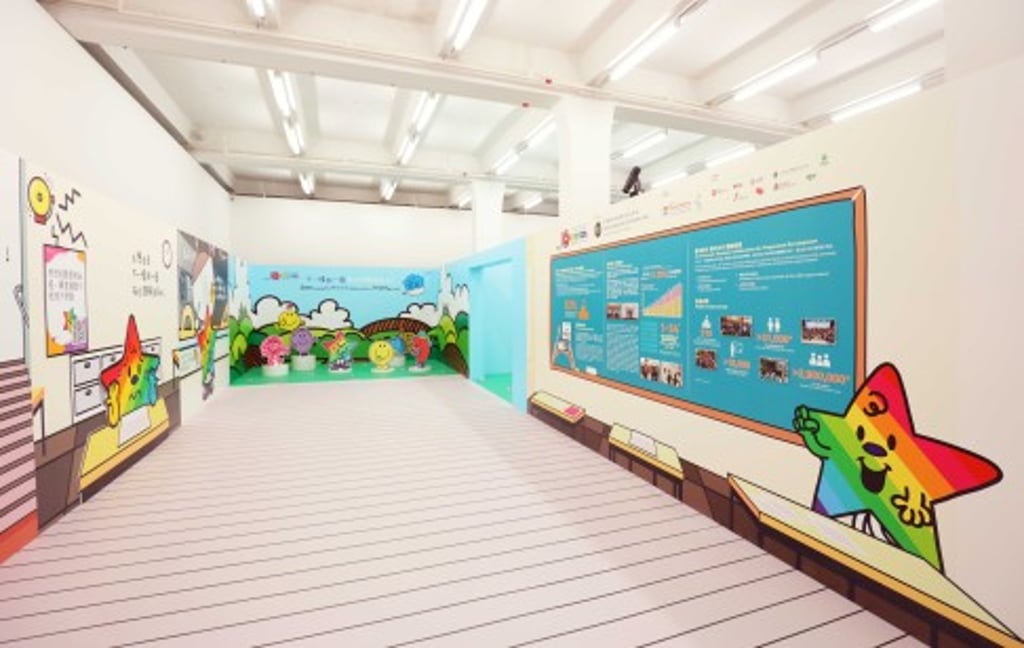
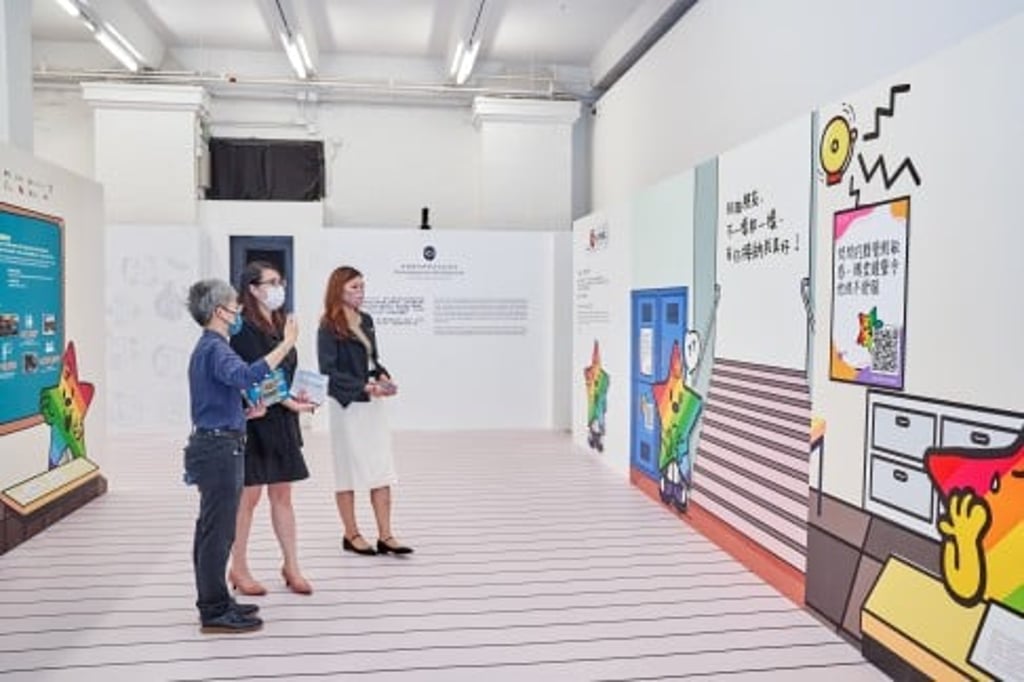
For instance, Tai Kwun – Centre for Heritage and Arts hosted an exhibition entitled “Bling Bling’s Daily Life - Same Among The Differences” from 12-17 August. The exhibition aimed to increase awareness on students with ASD by recreating a classroom where visitors learned about the challenges autistic children – and Bling Bling – face in school. A selection of drawings created by youngsters with ASD were on display too.
Bling Bling also appears in a new storybook, Same Among The Differences. It will be distributed to kindergartens, primary schools and parent resource centres to encourage an understanding of those with ASD and foster mutual respect.
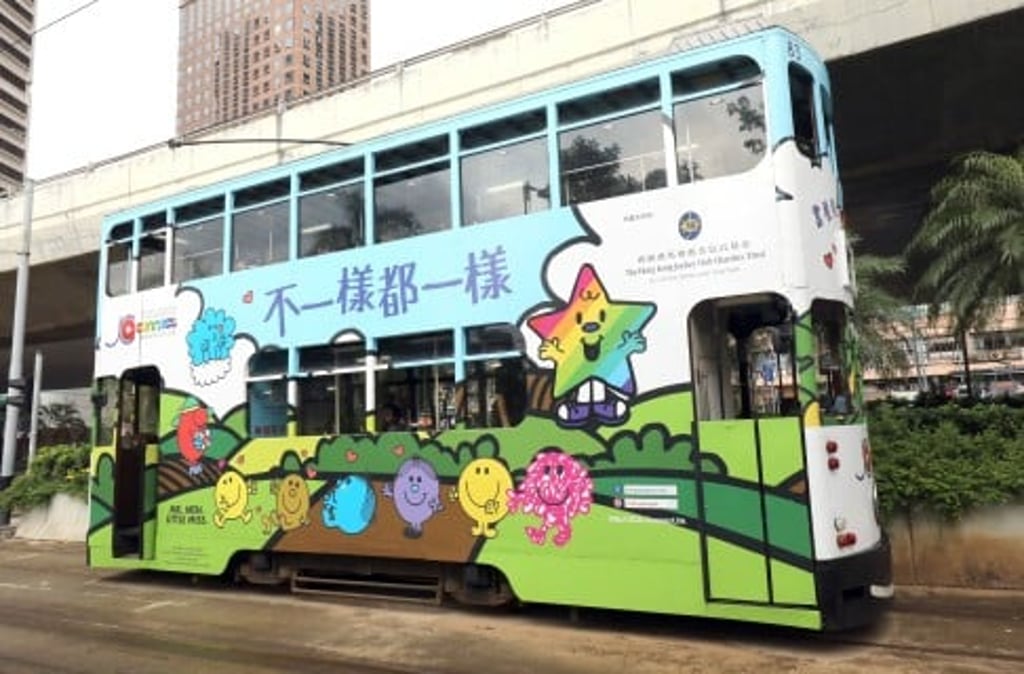
In the coming weeks, alert residents may also spot three Bling Bling-themed trams moving along Hong Kong Island. Once aboard those trams, passengers can scan a QR code to play a game and learn more about the feelings experienced by autistic children.